Joint Friendly Exercises for Safer Active Aging
Staying active after 50 should not feel like a bargain with your knees, hips, or back. The right plan lets you build strength, protect motion, and keep doing normal American life with more confidence, from carrying groceries in Phoenix to walking a grandchild through a Chicago park. Joint Friendly Exercises matter because aging does not remove your need for movement; it only raises the cost of careless movement.
Plenty of adults quit exercise because one bad class, one rushed walk, or one stiff morning convinces them their body is too fragile. That belief steals more years than age does. The better answer is not to move less. It is to move smarter, with routines that respect your joints while still challenging your muscles, lungs, balance, and coordination.
A smart active-aging plan should feel practical enough to fit beside work, errands, weather changes, and family responsibilities. Helpful wellness guidance, community support, and trusted resources like healthy lifestyle planning can make that shift feel less random and more sustainable. The goal is not to train like a younger person. The goal is to move like someone who plans to stay capable.
Why Gentle Movement Protects More Than Your Joints
Pain often makes people think stillness is safer, but joints usually dislike long stillness. Cartilage, muscles, tendons, and balance systems all depend on regular movement. The CDC recommends that adults 65 and older aim for weekly aerobic activity, muscle-strengthening work, and balance training, which shows how broad healthy aging fitness should be.
How Motion Feeds Stiff Joints Without Punishing Them
Joints are not dry hinges waiting to wear out. They respond to movement, pressure, warmth, and rhythm. A slow walk around the block can help a stiff knee feel less guarded because movement encourages circulation and wakes up the muscles around the joint.
The mistake many people make is treating comfort as proof that nothing is happening. Low impact workouts often feel too modest at first, yet they build the base that harder training depends on. A person in their late 60s who walks ten calm minutes after breakfast may gain more long-term value than someone who forces one painful weekend workout and then avoids movement for six days.
Good joint care begins before sweat. It starts with noticing how your body feels when you stand from a chair, climb porch steps, or reach into a kitchen cabinet. Those little daily tests reveal more than a fancy fitness tracker ever will.
Why Pain Is Information, Not a Stop Sign Every Time
Aging bodies speak in signals. Some signals mean “warm me up.” Others mean “change the angle.” A few mean “stop and call a professional.” Learning the difference keeps you from becoming either reckless or scared of your own body.
Mild stiffness that eases as you move is common. Sharp pain, swelling that worsens, joint buckling, chest pain, dizziness, or pain that lingers after exercise deserves medical guidance. The Mayo Clinic notes that arthritis often brings joint pain and stiffness that can affect daily activity, so paying attention to patterns matters.
That distinction gives you power. You do not need to panic every time your hip complains during a cold morning walk. You do need to respect pain that changes your stride, sleep, or confidence.
Joint Friendly Exercises That Build Strength Without Beating Up the Body
Strength is the quiet insurance policy of active aging. Stronger muscles help absorb force before it lands on tender joints. The trick is choosing movements that build control instead of chasing exhaustion.
Chair-Based Strength Moves That Still Count
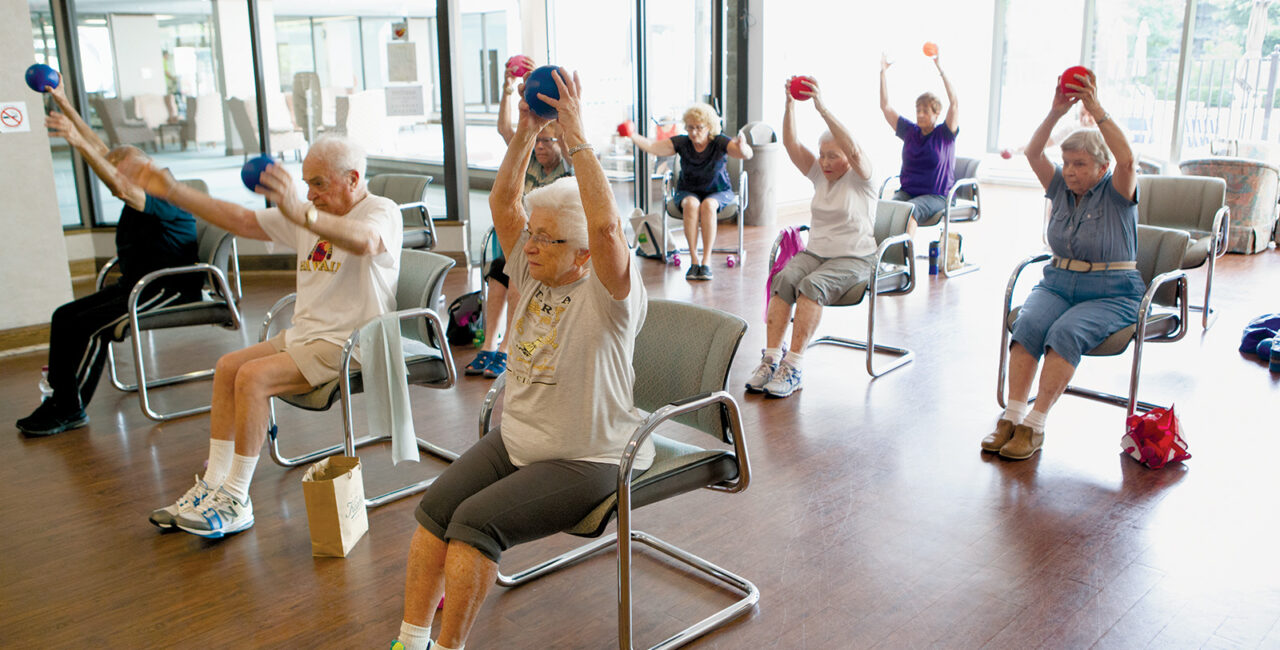
Chair squats are underrated because they look too simple. Sit tall near the front of a sturdy chair, place your feet flat, lean forward slightly, and stand with control. Lower back down without dropping. That one movement trains hips, thighs, core, and balance in a way that matches real life.
Wall push-ups work the same way for the upper body. They train the chest, shoulders, arms, and core without forcing wrists and shoulders into a floor position that may feel too aggressive. For many older adults in suburban homes, apartment hallways, or senior centers, a wall is the most honest piece of gym equipment available.
Resistance bands also earn their place. A band row can strengthen the upper back, which helps posture and shoulder comfort. A band side-step can wake up the hip muscles that protect the knees during walking. The goal is clean control, not dramatic effort.
Small Range Training Can Beat Big Motion
Many people assume exercise only works when the movement looks large. That belief hurts older joints. A small, pain-free range repeated with control can build strength while teaching the nervous system to trust the joint again.
Try a mini squat instead of a deep squat. Try a short step-up on the bottom stair instead of a tall platform. Try heel raises while holding a kitchen counter instead of balancing unsupported in the middle of the room. These senior mobility exercises look humble, but they target the exact places where daily independence is won.
A retired teacher in Ohio may not care about lifting heavy weights, but she cares about standing from a low sofa without rocking three times first. That is the real scoreboard. Strength training for aging should make ordinary tasks feel less like negotiations.
Choosing Cardio That Keeps Hips, Knees, and Ankles Happier
Cardio does not have to mean pounding pavement. Heart health, stamina, weight control, and energy can improve through options that avoid repeated hard impact. The Arthritis Foundation lists walking, biking, swimming, water aerobics, gardening, dancing, strength work, yoga, and tai chi as useful activity types for people managing joint concerns.
Walking Works Best When You Stop Treating It Like a Race
Walking is the easiest exercise to underestimate. It requires no membership, no perfect outfit, and no complicated plan. Yet it can improve endurance, mood, balance confidence, and daily function when done with patience.
The best walking plan for joint comfort starts smaller than pride wants. Five to ten minutes on a flat surface may be enough for a first week. Add time only when the next day feels acceptable. A mall walk in winter, a shaded park loop in Texas heat, or a quiet sidewalk route after dinner can all count.
Shoes matter more than people admit. Worn soles can change knee and hip mechanics. So can rushing downhill, ignoring uneven sidewalks, or trying to match a faster partner. Walking should leave you looser and steadier, not irritated and defeated.
Water, Bikes, and Ellipticals Reduce the Argument With Gravity
Water exercise has a special gift: it lets you move without carrying your full body weight through every step. Swimming and water aerobics can help people train endurance and range of motion while reducing joint load. Mayo Clinic also names walking, bicycling, swimming, and water aerobics as low-impact aerobic options that are easier on joints.
Stationary biking is another strong choice because it limits impact while letting the knees move in a steady pattern. Seat height matters. Too low, and the knees bend too much. Too high, and the hips rock. A good setup feels smooth, not cramped.
Ellipticals can help some people, but not everyone loves them. The fixed path may feel awkward for certain hips or backs. That does not mean you failed. It means your body voted, and you should listen.
Balance and Mobility Are the Missing Pieces in Active Aging
Strength and cardio get most of the attention, but balance may be the skill that protects your freedom most. A fall can change a year. Better balance training cannot remove every risk, but it can make your body quicker, calmer, and more prepared.
Balance Training Belongs Near a Counter, Not Across the Room
The safest balance work starts with support nearby. Stand beside a kitchen counter, place one hand lightly on the surface, and practice shifting weight from one foot to the other. Then try heel-to-toe standing, short marching, or slow side steps.
This is not baby exercise. It is nervous system training. Your feet, ankles, hips, eyes, and inner ear are all learning to work together again. That matters when you step off a curb, turn in a grocery aisle, or walk across a wet driveway.
Tai chi and gentle yoga can also help because they combine slow movement, body awareness, breathing, and control. The counterintuitive part is that slower movement can be harder than fast movement. Speed hides weakness. Slow control exposes it, then builds it.
Mobility Should Support Daily Life, Not Become a Stretching Contest
Mobility is not about forcing your body into shapes from a poster. It is about having enough range to live well. You need ankles that bend for stairs, hips that open enough for walking, shoulders that reach shelves, and a spine that turns safely while driving.
Joint pain relief exercises often work best when they are tied to a real task. Ankle circles before a walk, seated hip marches before errands, shoulder rolls before yard work, and gentle neck turns before driving all prepare the body for what comes next.
Hold stretches lightly, and avoid bouncing. Warm muscles respond better than cold ones, so mobility often belongs after a short walk or warm shower. The body tends to accept invitations better than demands.
How to Build a Weekly Routine You Can Actually Keep
Aging well is not about building the perfect routine on paper. It is about creating a plan that survives weather, doctor visits, family calls, low-energy days, and sore mornings. Consistency beats intensity because consistency has a chance to become identity.
Use the Three-Bucket Method for Simple Planning
A strong weekly plan needs three buckets: heart, strength, and balance. Heart work may include walking, cycling, swimming, or dancing. Strength may include chair squats, wall push-ups, band rows, and heel raises. Balance may include supported single-leg stands, slow marching, tai chi, or heel-to-toe walking.
The CDC says older adults need aerobic activity along with muscle-strengthening and balance work each week, which supports this mix. You do not need to do every bucket daily. You need to touch each one often enough that your body remembers the skill.
A practical week might include walking on Monday, Wednesday, and Friday, strength work on Tuesday and Saturday, and balance practice for five minutes most mornings. That plan sounds modest. Good. Modest plans are the ones people repeat.
Progress Should Feel Earned, Not Forced
Progress in safer active aging is usually quiet. You notice the stairs feel less annoying. You recover faster after grocery shopping. You stand longer at a family cookout. You trust your footing on a curb without thinking about it first.
Add one variable at a time. Increase walking time before speed. Add one set before adding resistance. Practice balance longer before removing hand support. When everything gets harder at once, joints complain because the body cannot tell which new stress caused the problem.
Rest also belongs in the plan. A recovery day is not laziness; it is part of adaptation. Many older adults grew up thinking exercise only counts when it feels punishing. That mindset needs to retire before the body does.
Conclusion
The future of aging will not be won by people who chase punishing workouts for a few weeks and then quit. It will belong to people who learn their bodies well enough to stay in motion through changing seasons, changing joints, and changing energy. That is a stronger, wiser kind of fitness.
Joint Friendly Exercises give you a way to protect independence without treating your body like a problem to conquer. Start with what feels repeatable: a short walk, two sets of chair squats, five minutes of balance near the counter, or a pool class that leaves you smiling instead of sore. Keep the plan plain enough to follow on an average Tuesday.
Your next step is simple: choose one low-impact cardio move, one strength move, and one balance drill, then practice them three times this week. Aging does not ask you to be fearless; it asks you to be consistent enough that confidence has somewhere to grow.
Frequently Asked Questions
What are the best joint friendly exercises for older adults at home?
Chair squats, wall push-ups, heel raises, seated marches, gentle band rows, and supported balance drills work well at home. They train strength and stability without needing a gym. Keep movements slow, controlled, and pain-free, especially during the first few weeks.
How often should seniors do low impact workouts each week?
Most older adults do well with low impact workouts three to five days per week, depending on fitness level and recovery. Mix walking, cycling, water exercise, strength work, and balance practice. Short sessions count when they are repeated with care.
Are senior mobility exercises safe for stiff knees and hips?
Senior mobility exercises can be safe when they stay within a comfortable range and avoid sharp pain. Gentle hip marches, ankle circles, heel slides, and short walks often help stiffness. New or worsening pain should be discussed with a doctor or physical therapist.
What exercise is easiest on joints for active aging?
Water exercise is often one of the easiest choices because buoyancy reduces body weight on the joints. Walking, stationary biking, tai chi, and gentle strength work can also be joint-friendly. The best choice is the one your body tolerates and you can repeat.
Can joint pain relief exercises help arthritis stiffness?
They can help many people reduce stiffness, improve motion, and support the muscles around painful joints. Exercise does not cure arthritis, but it can make daily movement easier. Start slowly, warm up first, and avoid movements that increase swelling or sharp pain.
Should older adults stretch before or after exercise?
A light warm-up should come before deeper stretching. Walk slowly, march in place, or move the joints through easy ranges first. Stretching usually feels better after the body is warm, when muscles and connective tissues are more ready to relax.
How can seniors start exercising after years of inactivity?
Begin with five to ten minutes of gentle movement, such as walking indoors or doing chair-based exercises. Add time in small steps. Choose familiar movements first, track how you feel the next day, and ask a healthcare professional for guidance if you have major health concerns.
What signs mean an older adult should stop exercising?
Stop if you feel chest pain, dizziness, sudden shortness of breath, sharp joint pain, new swelling, numbness, or a feeling that a joint may give way. Mild effort is normal. Warning signs are different, and they deserve prompt attention.