Low Impact Fitness Tips for Sensitive Joints
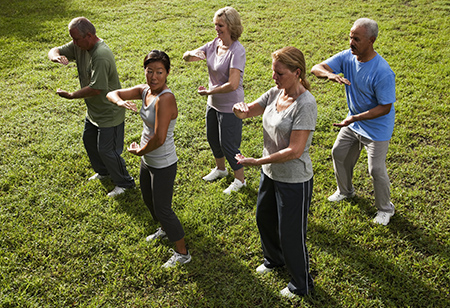
Pain can make exercise feel like a negotiation you never agreed to. You want strength, energy, and better movement, but Low Impact Fitness becomes the smarter path when your knees, hips, ankles, wrists, or back complain before your muscles even wake up. The goal is not to baby your body forever. The goal is to train in a way your body can trust.
For many Americans, joint pain shows up during ordinary life first: climbing porch steps, getting out of a car, carrying groceries from a Costco run, or standing through a long work shift. That is why healthy lifestyle support matters more than another punishing workout trend. You need movement that builds capacity without treating soreness like a badge of honor.
The best plan respects two truths at once. Your joints need less pounding, but they still need steady challenge. Skip movement long enough, and stiffness wins. Push too hard too soon, and pain takes over. Smart training lives in the middle, where strength grows without drama.
Low Impact Fitness Begins With Joint Trust, Not Intensity
Most people start exercise by asking, “How hard should I go?” Sensitive joints need a better first question: “Can my body repeat this tomorrow?” That one shift changes everything. A workout that leaves you limping for two days is not discipline. It is poor planning dressed up as toughness.
Joint friendly workouts work because they lower impact while keeping your muscles active. That does not mean easy. A slow step-up, controlled wall push-up, or steady pool walk can challenge your body without slamming force through the same sore spots. The magic is not in avoiding effort. It is in choosing effort your joints can absorb.
Why Pain Signals Need More Respect Than Motivation
Pain is not always danger, but it is always information. A dull muscular ache after a new movement can be normal. A sharp knee pinch, hip catch, ankle stab, or wrist zap deserves attention fast. Many people ignore those early signals because they think quitting a movement means weakness. It does not. It means you are gathering data.
A practical rule helps: discomfort can stay mild, spread evenly, and fade after warm-up. Pain that gets sharper, changes your form, or follows you into the next day needs a change. That change might be less range, slower tempo, lower resistance, or a different exercise. No trophy exists for forcing a painful rep.
The counterintuitive part is this: backing off early often helps you progress faster. A person who modifies a squat today may train three more times this week. A person who pushes through knee pain may spend the same week on ice packs. Consistency beats heroic damage every time.
How to Build a Baseline Before You Add Challenge
A baseline is your honest starting line. It is not where you used to be in high school, before arthritis, after a surgery, or before years at a desk. It is what your body can handle now with clean form and calm breathing. That truth can sting, but it gives you control.
Start with 10 to 20 minutes of movement that keeps pain low and leaves you feeling better afterward. For someone in a suburban neighborhood, that may be a flat sidewalk walk instead of a hilly route. For someone in an apartment, it may be marching in place, sit-to-stands from a chair, and light band rows. The setting matters less than the response.
Track three things for the first two weeks: pain during movement, stiffness the next morning, and energy after the session. Those notes reveal patterns faster than memory does. You may discover that cycling feels better than walking, or that evening movement leaves your hips looser than morning movement. Your body is not being difficult. It is being specific.
Choosing Exercises That Protect Joints While Building Strength
Once your baseline is clear, exercise selection becomes less random. The right moves reduce pounding, support balance, and build the muscles that take pressure off irritated joints. The wrong moves may look impressive online but punish the same areas you are trying to protect.
Gentle exercise routines should still train the whole body. Sensitive knees need stronger hips. Achy shoulders need better upper-back support. Sore ankles often need calf strength and balance practice. The body works as a team, and joint pain often improves when nearby muscles stop leaving one joint to do all the work.
Which Low Impact Exercises Work Best for Everyday Bodies?
Low impact exercises shine when they keep you moving without repeated hard landings. Walking on flat ground, cycling, swimming, water aerobics, elliptical training, chair strength work, resistance bands, and controlled bodyweight movements all belong in the toolbox. The best choice is the one you can repeat without flare-ups.
A retired teacher in Ohio may do well with indoor mall walking during winter because the surface is flat and predictable. A busy parent in Texas may prefer a stationary bike at home because heat makes outdoor walks miserable. A desk worker in New Jersey may choose short band workouts because wrists and knees complain during floor-based routines.
Strength work deserves a place beside cardio. Try chair sit-to-stands, wall push-ups, glute bridges, band pull-aparts, standing calf raises, and light farmer carries. Each move teaches your muscles to support daily life. That matters when you lift laundry baskets, climb stairs, or stand in a checkout line longer than planned.
How Water, Bikes, and Bands Reduce Joint Stress
Water changes the equation fast. Buoyancy lowers body weight pressure, which lets many people move through larger ranges with less joint irritation. That is why pool walking can feel freeing for someone whose knees hate pavement. The resistance comes from the water itself, so the workout stays useful without adding heavy loads.
Cycling offers another clean option because it keeps your feet supported and removes the landing force that comes with running. Seat height matters, though. A seat set too low can crowd the knees and create more irritation. Your knee should stay slightly bent at the bottom of the pedal stroke, not jammed or deeply folded.
Resistance bands help because they create tension without forcing you to hold heavy weights. They also let you adjust angle and resistance in small steps. A band row can strengthen the back without stressing the wrists like a floor plank. A banded side step can wake up the hips without asking your knees to absorb jumps.
Warm-Ups, Form, and Recovery Matter More Than Fancy Plans
Exercise choice helps, but the details decide whether your joints cooperate. Warm-ups, alignment, tempo, footwear, and recovery often matter more than the workout name. Many people blame the exercise when the real problem is rushing into it cold, moving too fast, or stacking too many hard days together.
Safe fitness habits are boring in the best way. They do not sell like extreme challenges, but they keep you moving month after month. That matters more than one perfect week. Bodies with sensitive joints usually do not fail because the person lacks willpower. They fail because the plan ignores recovery until pain forces a stop.
Why a Better Warm-Up Can Change the Whole Workout
A warm-up should feel like a friendly conversation with your joints. Start with slow movement, then build range and pace. Five to eight minutes can be enough for many people: easy walking, shoulder circles, ankle rolls, gentle hip hinges, and a few slow chair stands. The point is to raise temperature and tell your nervous system that movement is safe.
Cold joints often feel stiff, and stiff joints can make form sloppy. When you rush, your knees may cave inward, shoulders may shrug, or lower back may take over. A warm-up gives your body time to find cleaner patterns before resistance or longer duration enters the picture.
Here is the quiet insight many people miss: the warm-up is also a test. If your knee pain drops from a three to a one as you move, the session may be fine. If pain climbs with every minute, your body is voting for a lighter day. Listening early keeps you from bargaining later.
How Form Protects Joints Without Making Exercise Complicated
Good form is not about looking perfect in a mirror. It is about spreading work across the right muscles instead of dumping stress into one irritated joint. During a sit-to-stand, your feet should feel planted, your knees should track roughly toward your toes, and your hips should help lift you. That simple setup can change the pressure on the knees.
Slow tempo helps more than people expect. Fast reps hide mistakes. Slow reps reveal them. A three-second lower during a chair squat teaches control without adding weight. A slow wall push-up trains shoulders and chest while keeping the wrists in a kinder position than a floor push-up.
Footwear also deserves attention. Old sneakers with collapsed cushioning can make a walk feel harsher than it needs to be. Shoes do not fix every problem, but they can reduce unnecessary irritation. For many walkers in the U.S., replacing worn-out shoes is the cheapest joint-friendly upgrade they make all year.
Progress Without Flare-Ups by Training Smarter Each Week
Progress should feel almost suspiciously calm. You finish sessions with energy left, then notice daily tasks getting easier. Stairs feel less annoying. Grocery bags feel less awkward. Your morning stiffness fades sooner. That kind of progress does not shout, but it changes your life.
The hardest lesson is patience. Sensitive joints often respond better to small increases than bold jumps. Add time, resistance, or range one at a time. If you increase everything in the same week, you will not know what caused the flare-up. Smart progression keeps the signal clean.
How to Use the 10 Percent Rule Without Getting Trapped by It
The common 10 percent rule says to raise training volume slowly, often by no more than about 10 percent per week. It can be useful, but it is not a law. If your joints are calm, you may add a few minutes to a walk. If your joints are irritated, even a small increase may be too much. Your response matters more than the math.
A simple weekly plan could include three movement days and two light mobility days. Monday might be a flat 15-minute walk plus chair strength. Wednesday might be cycling and band rows. Friday might be pool walking or elliptical work. Tuesday and Saturday can stay lighter with stretching, balance drills, and relaxed movement.
The unexpected truth is that rest days are training days for your joints. Muscles adapt between sessions. Tendons and joint tissues often need more time than your motivation wants to give them. Skipping recovery is like watering a plant, then yanking it up to check the roots.
When to Modify, Pause, or Ask for Professional Help
Modification should be normal, not dramatic. Shorten your stride if walking hurts. Raise the chair height if sit-to-stands bother your knees. Use handles or a wall if balance feels shaky. Swap floor exercises for standing versions if getting down and up creates more strain than the exercise itself.
Some signs call for more than self-adjustment. New swelling, locking, numbness, repeated giving way, chest pain, dizziness, or pain that worsens despite easier training deserves medical guidance. A physical therapist, sports medicine clinician, or qualified trainer with joint-pain experience can help you find patterns you may miss alone.
Low Impact Fitness works best when it becomes a long-term relationship with your body, not a short challenge you try to survive. You are not chasing punishment. You are building trust, strength, and freedom in small pieces. Start with the movement your joints accept today, then earn the next step with patience. Choose one joint friendly workout this week and repeat it before you chase anything harder.
Frequently Asked Questions
What are the best joint friendly workouts for beginners?
Walking on flat ground, water aerobics, stationary cycling, chair strength exercises, and resistance band training are strong beginner choices. Start with short sessions and keep pain mild. The best workout is one you can repeat without feeling worse the next morning.
How often should I do gentle exercise routines with joint pain?
Three to five days per week works well for many people, but session length matters. Ten to twenty minutes can be enough at first. Mix movement days with lighter mobility days so your joints get activity without constant strain.
Are low impact exercises enough to build strength?
Yes, when they include resistance and steady progression. Chair squats, band rows, wall push-ups, glute bridges, and calf raises can build useful strength. Add challenge slowly through more reps, better control, or slightly more resistance.
What safe fitness habits help prevent joint flare-ups?
Warm up before training, increase difficulty slowly, wear supportive shoes, use clean form, and track how your joints feel the next day. Avoid changing distance, resistance, and frequency all at once. Small changes make flare-ups easier to prevent.
Should I exercise if my joints feel stiff in the morning?
Mild stiffness often improves with gentle movement. Start slow with walking, ankle circles, shoulder rolls, or easy chair stands. Stop or scale back if stiffness turns into sharp pain, swelling, or a limp that changes how you move.
Is swimming better than walking for sensitive knees?
Swimming or pool walking may feel better because water reduces pressure on the knees. Walking still helps many people, especially on flat surfaces with supportive shoes. The better choice is the one that keeps symptoms calm and fits your routine.
How can older adults start exercising with sore joints?
Begin with supported movements such as chair stands, wall push-ups, slow walking, and light bands. Keep sessions short and repeatable. Older adults should focus on balance, leg strength, and daily consistency rather than chasing hard workouts too soon.
When should joint pain during exercise worry me?
Sharp pain, swelling, numbness, locking, giving way, or pain that lasts into the next day needs attention. Pain that forces you to change your form is also a warning sign. Modify the movement and seek professional guidance if symptoms continue.