Smart Meal Prep Ideas for Better Weekly Nutrition
Dinner should not feel like a nightly test you forgot to study for. Most Americans know what a better plate looks like, yet the problem begins at 6:15 p.m., when work ran late, kids need attention, and the fridge looks more like a storage unit than a plan. That is where meal prep ideas can change the week without turning Sunday into a cooking marathon.
The goal is not perfect eating. The goal is fewer rushed choices. A steady food rhythm helps you eat at home more often, waste less money, and avoid the drive-thru spiral that starts when nobody wants to think. Even smart content planning for everyday wellness topics, like the practical guidance shared through healthy lifestyle publishing resources, works best when it respects real American routines.
Weekly food prep should fit your life, not bully it. A nurse working 12-hour shifts, a parent packing three school lunches, and a remote worker fighting snack fatigue all need different systems. The strongest plan is the one you will repeat when the week gets messy.
Build a Weekly Food Rhythm Before You Cook Anything
Good prep starts before a knife touches a cutting board. Most failed plans fall apart because they begin with recipes instead of rhythm, and rhythm is what carries you through Tuesday night when energy is low.
Why Weekly Meal Planning Works Better Than Random Grocery Runs
Weekly meal planning gives your food a job before it enters the cart. That sounds plain, but it changes everything. Instead of buying spinach, chicken, yogurt, pasta, and berries because they seem useful, you decide where each one belongs in the week.
A family in Ohio might plan taco bowls for Monday, turkey sandwiches for school lunches, soup for Wednesday, and egg bites for breakfast. Nothing fancy. Yet that plan keeps groceries from drifting into the back of the fridge until they become guilt in a plastic bag.
The counterintuitive part is that planning less can work better. A rigid seven-day menu breaks the first time someone has soccer practice, traffic runs long, or nobody wants the meal listed for that night. A looser plan with three anchor dinners, two backup lunches, and one emergency freezer meal gives you room to live.
Set Food Themes Instead of Chasing Perfect Recipes
Theme nights protect your brain from decision fatigue. Monday can be bowls, Tuesday can be sheet-pan food, Wednesday can be leftovers, Thursday can be breakfast-for-dinner, and Friday can be homemade pizza or sandwiches. The theme does the thinking before hunger gets loud.
This approach also helps healthy meal prep feel less repetitive. Chicken does not have to taste the same all week if one batch becomes rice bowls, wraps, and soup. The base stays steady while the flavor changes, which is how meal prep stops feeling like punishment.
A smart theme system also respects budget swings. When eggs are affordable, breakfast bowls can carry the week. When chicken prices rise, beans, lentils, tuna, cottage cheese, and frozen vegetables can hold the line. Good planning is flexible enough to survive the grocery aisle.
Use Meal Prep Ideas That Match Real American Schedules
A useful food plan should work on a loud Sunday, a tired Wednesday, and a payday that came later than expected. The best meal prep ideas are not the prettiest ones online; they are the ones that make dinner easier when your patience is already gone.
Prep Ingredients, Not Entire Meals, When Time Is Tight
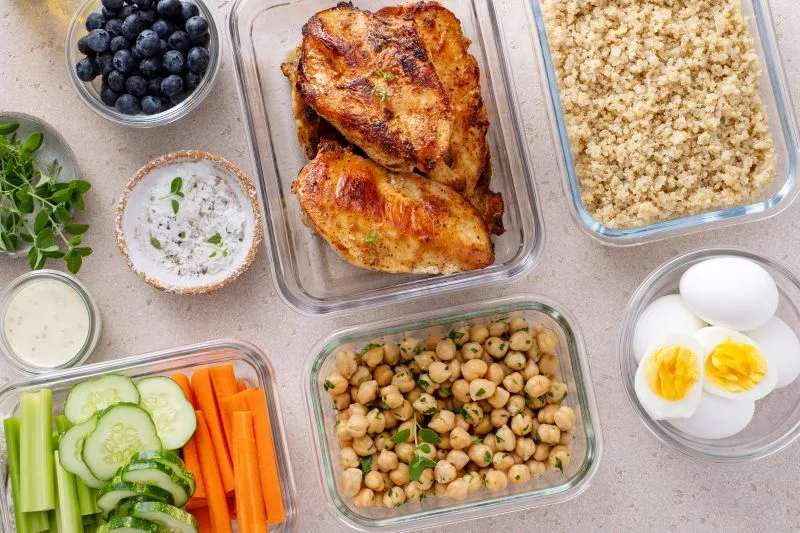
Ingredient prep gives you options without locking you into one flavor. Cook a tray of chicken thighs, wash lettuce, chop onions, roast sweet potatoes, and make a simple sauce. Those pieces can turn into salads, bowls, tacos, wraps, or quick skillet meals.
This method works well for people who hate eating the same lunch five days in a row. A teacher in Texas might prep rice, beans, salsa chicken, and chopped vegetables on Sunday. By Thursday, those same ingredients can still feel fresh inside a quesadilla instead of another identical container.
There is a hidden benefit here: ingredient prep reduces the emotional weight of cooking. You are not starting from zero. A pan is already roasted, a protein is ready, and vegetables are clean. Dinner becomes assembly, not a full performance after a long day.
Make Backup Meals Part of the Plan, Not a Failure
Backup meals are not cheating. They are insurance. Frozen turkey meatballs, canned salmon, microwavable rice, jarred marinara, bagged salad, and frozen vegetables can save a week that would otherwise collapse into takeout.
Healthy meal prep fails when it assumes every day will behave. It will not. A child gets sick, a meeting runs late, or your energy drops before dinner. A backup meal lets you stay fed without demanding heroics.
One solid example is a ten-minute pantry dinner: whole-grain pasta, canned chickpeas, frozen broccoli, olive oil, garlic, and parmesan. It will not win a cooking contest. It will feed people quickly, cheaply, and with more balance than most last-minute orders.
Balance Nutrition Without Turning Food Into Math
Food tracking can help some people, but most households do not need a spreadsheet to eat better. They need meals that include enough protein, fiber, color, and satisfaction to carry them to the next meal without a snack raid.
Build Balanced Meals Around a Simple Plate Pattern
Balanced meals become easier when you stop treating every recipe like a puzzle. Use a steady pattern: protein, high-fiber carb, produce, and a fat source. That plate can be chicken, brown rice, roasted broccoli, and avocado. It can also be tuna, whole-grain toast, cucumber, and olive oil dressing.
The pattern matters more than the cuisine. A burrito bowl, turkey chili, salmon plate, lentil soup, and Greek-style lunch box can all follow the same structure. That makes nutrition easier to repeat without eating bland food.
The unexpected truth is that satisfaction belongs in the plan. A lunch with grilled chicken and lettuce may look clean, but it can send you hunting for chips an hour later. Add beans, a good dressing, fruit, or a small piece of dark chocolate, and the meal may serve you better.
Use Protein and Fiber as Your Weekly Anchors
Protein and fiber are the two anchors that make weekly food prep feel steady. Protein supports fullness and helps meals feel complete. Fiber from beans, vegetables, oats, berries, lentils, and whole grains helps your plate do more than fill space.
Family meal prep becomes easier when these anchors are ready before the week starts. A pot of lentils, boiled eggs, shredded chicken, Greek yogurt, black beans, and chopped vegetables can cover breakfasts, lunches, and dinners in different forms.
This does not mean every meal needs to look like a fitness plan. A peanut butter banana oatmeal bowl, bean chili, turkey wrap, cottage cheese snack plate, or veggie omelet can all do the job. Food consistency beats food drama every time.
Make Prep Easier to Repeat Than Skip
The real test is not whether your Sunday containers look organized. The test is whether the system survives next week, and the week after that, when motivation is not doing the heavy lifting.
Design Your Kitchen Around the Meals You Actually Eat
Your kitchen should make your default choice easier. Put washed fruit where you can see it. Keep chopped vegetables at eye level. Store sauces, grains, and proteins together when they belong to the same meals.
A small apartment kitchen in Chicago can still support weekly meal planning with one sheet pan, one pot, clear containers, and a freezer shelf reserved for emergency meals. You do not need a giant pantry. You need fewer hidden ingredients and fewer mystery leftovers.
The quiet mistake many people make is organizing by category instead of action. Grouping all condiments together looks neat, but grouping taco sauce, tortillas, beans, and salsa near each other makes dinner faster. The best system follows behavior, not display.
Repeat Core Meals and Change the Details
Repetition is not boring when the details shift. Keep a few core meals in rotation, then change sauces, toppings, grains, or vegetables. Rice bowls can become Korean-style, Southwest-style, Mediterranean-style, or simple barbecue bowls with almost no extra planning.
Balanced meals get easier when your household knows what to expect. Kids may resist a brand-new dinner every night, but they often accept familiar formats with small changes. Adults benefit too, because fewer choices leave more energy for everything else.
Family meal prep also works better when people help in small ways. One person washes fruit, one packs snacks, one labels leftovers, and one chooses the sauce for bowl night. Shared food systems do not need grand speeches. They need tiny jobs that people can repeat.
Conclusion
Food planning should make your week feel lighter, not turn your kitchen into a second workplace. The strongest system starts with your real schedule, your actual budget, and the meals your household will eat without complaint. That may mean three cooked proteins, one chopped vegetable bin, two freezer backups, and a short list of lunches you can pack half-asleep.
Better weekly nutrition does not come from chasing perfect recipes. It comes from reducing the number of food decisions you have to make while tired, hungry, or rushed. When meal prep ideas are built around rhythm, balance, and repeatable habits, they stop feeling like another chore and start acting like support.
Start with one anchor meal this week. Prep it once, use it twice, and notice where the pressure drops. A better food routine begins with one repeatable win.
Frequently Asked Questions
What are the best weekly meal planning tips for busy families?
Start with three dinners, two lunch options, and one backup freezer meal. Avoid planning every bite of the week. Families need room for schedule changes, leftovers, and picky moods. A loose structure works better because it protects consistency without making food feel controlled.
How can healthy meal prep save money on groceries?
Planned meals reduce duplicate purchases, wasted produce, and last-minute takeout. Buy ingredients that work in more than one meal, such as rice, beans, eggs, chicken, oats, and frozen vegetables. The savings come from using food fully, not from buying the cheapest items only.
What should I prep first for balanced meals?
Start with protein, vegetables, and one filling carb. Cook chicken, beans, eggs, lentils, rice, potatoes, or oats first because they carry several meals. Sauces and toppings can come later. A few ready basics make lunch and dinner faster all week.
How long does family meal prep usually take?
A practical prep session can take 60 to 90 minutes. You do not need to cook every meal ahead. Wash produce, cook one protein, prepare one grain, and set up snacks. That amount can lower weekday stress without taking over your whole Sunday.
What are easy make-ahead lunches for work?
Rice bowls, turkey wraps, pasta salads, soup, egg boxes, tuna plates, and bean burrito bowls all hold up well. Choose meals that still taste good cold or reheated. Keep sauces separate when possible so textures stay better through the week.
How do I avoid getting bored with meal prep?
Keep the base steady and change the flavor. Use the same chicken, rice, or beans with different sauces, herbs, vegetables, or toppings. A meal can feel new with salsa one day, pesto the next, and a yogurt dressing later.
Can meal prep help with healthier snacks?
Yes, because snacks become easier to choose when they are already visible and ready. Wash fruit, portion nuts, boil eggs, cut vegetables, or keep yogurt cups available. The goal is not restriction. The goal is making the better choice easier to reach.
What is the easiest meal prep system for beginners?
Choose one breakfast, one lunch, and one dinner helper for the week. Prep oats, pack lunch bowls, and cook a protein or grain for dinner. Keep it small at first. A simple system you repeat beats an ambitious plan you abandon.