
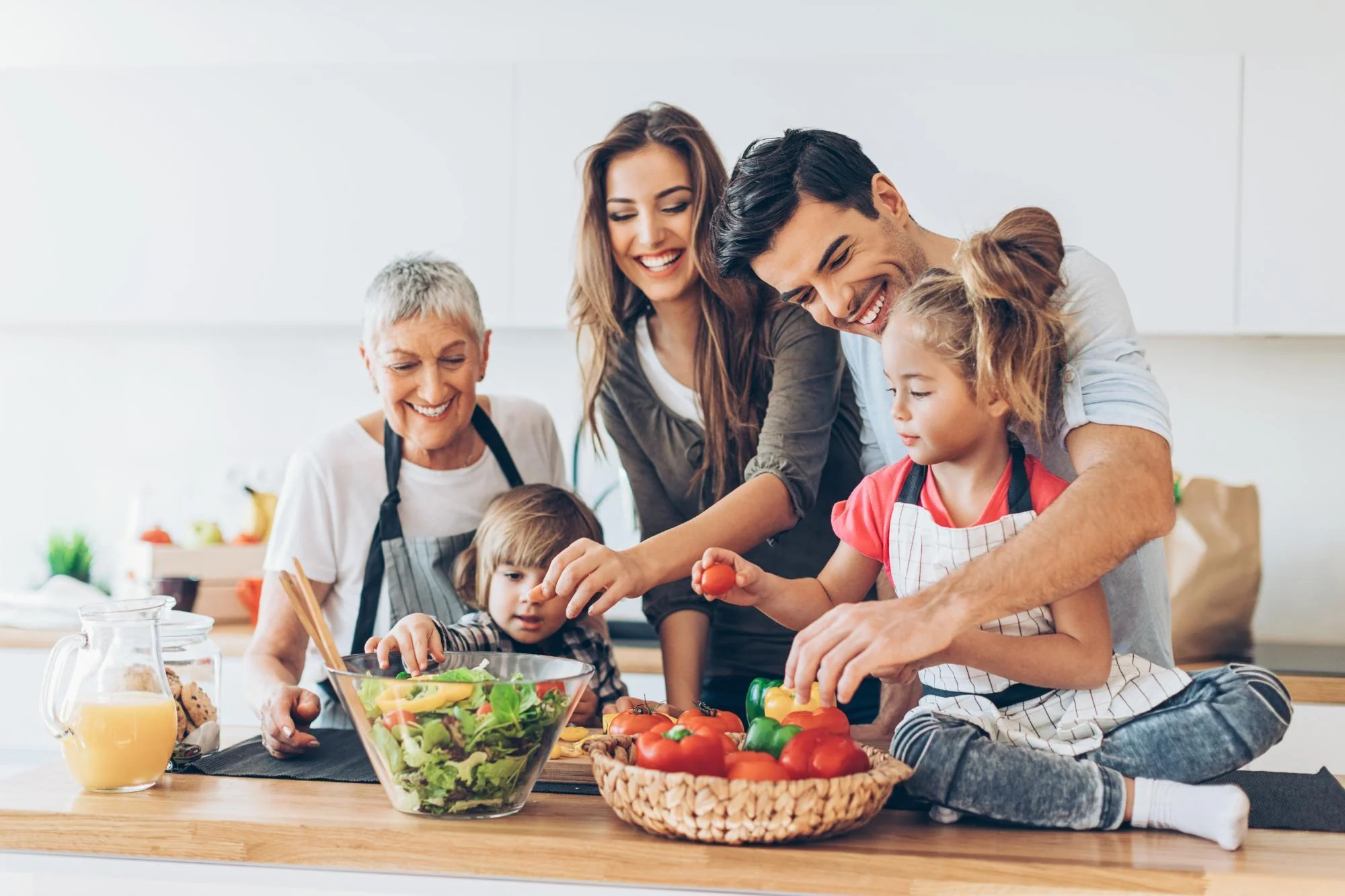
Healthy Weekend Habits for Balanced Family Life
Weekends can either steady a household or leave everyone walking into Monday already worn out. The difference usually comes down to a few Healthy Weekend Habits that protect rest, connection, movement, and simple order without turning Saturday and Sunday into another chore list. Many American families treat the weekend like a catch-up bin: laundry, errands, sports, grocery runs, birthday parties, screen time, and late nights all thrown together until nobody feels restored.
A better weekend does not need to look perfect. It needs rhythm. Families need small anchors that help kids feel secure, give parents room to breathe, and keep the home from sliding into chaos before the school and work week begins again. When you build your days around calm meals, shared time, outdoor movement, and light planning, the whole household feels less reactive. Even a practical resource like family lifestyle planning can remind busy parents that balance comes from structure that still leaves room for real life.
Protect Rest Before the Weekend Gets Crowded
A balanced weekend starts before anyone makes plans. Most families lose the weekend by Friday night because they treat it as a reward for surviving the week. Bedtimes stretch, meals get random, screens stay on, and Saturday begins with tired kids and annoyed adults.
Keep Friday Night Calm Enough to Save Saturday
Friday night sets the emotional temperature for the whole weekend. A loud, late, overstimulated Friday may feel fun in the moment, but it often steals Saturday morning before it even arrives. Kids wake up cranky, parents sleep badly, and the first half of the day gets spent recovering instead of enjoying anything.
A calmer Friday does not mean boring. It can mean pizza at home, a family movie, pajamas early, and lights out before everyone crashes on the couch. In many U.S. homes, this one shift changes the weekend more than any big plan. The counterintuitive truth is simple: the best weekends often begin with restraint, not excitement.
Parents also need to stop treating Friday night as the only personal reward they get. Staying up until midnight to reclaim quiet time can feel necessary, yet it often turns into a bad trade. You get two extra hours alone, then lose your patience the next morning when the house needs you.
Let Sleep Stay Predictable Without Being Strict
Weekend sleep should feel softer than weekday sleep, but it should not become a free-for-all. Children and adults both handle transitions better when wake times and bedtimes stay within a reasonable range. Sleeping until noon on Saturday may sound like recovery, but it can make Sunday night rough and Monday morning worse.
A practical family rule works better than a rigid one. Younger kids might stay within thirty to sixty minutes of their school-night bedtime. Teens may need more flexibility, but even they benefit from a clear stopping point for devices and late snacks. The goal is not control. The goal is making rest easier to return to.
Families often overlook how much sleep affects tone. A tired household argues over tiny things: cereal choices, missing socks, who got the remote first. Protecting rest is not about being strict. It is about removing the invisible fuel behind half the weekend fights.
Build Food Routines That Do Not Drain the Cook
Once rest has a place, food becomes the next pressure point. Weekends can either support family health or turn into two days of grazing, takeout, skipped meals, and sugar crashes. The answer is not a perfect menu. It is a food rhythm that keeps everyone steady without trapping one person in the kitchen.
Create One Reliable Meal Anchor Each Day
A meal anchor gives the day shape. It could be Saturday breakfast, Sunday dinner, or a simple lunch everyone can count on. The meal does not need to be fancy. Scrambled eggs, fruit, toast, and coffee can do more for family mood than a complicated brunch that leaves the kitchen wrecked.
American families often rush through weekday meals in shifts, so the weekend meal anchor carries emotional weight. It gives everyone one predictable place to reconnect. Kids talk more when food feels relaxed. Adults listen better when the meal was not built like a performance.
The unexpected insight is that variety is often overrated on weekends. Repeating the same Saturday breakfast or Sunday soup can feel comforting, especially for kids. A familiar meal lowers decisions, saves money, and gives the family something small to look forward to.
Prep Lightly So Sunday Night Does Not Bite
Sunday evening has a strange way of turning quiet homes tense. Lunch boxes, work bags, laundry, uniforms, and grocery gaps appear all at once. Light food prep earlier in the weekend can soften that landing without turning Sunday into a kitchen shift.
A smart approach is to prepare building blocks, not full meals. Wash berries, chop vegetables, cook rice, grill chicken, boil eggs, or portion snacks. These small moves make Monday easier while still leaving room for real meals during the week. No one needs twelve matching containers lined up for social media.
Parents should also involve kids in age-appropriate prep. A seven-year-old can rinse grapes. A teenager can pack snack bags or make a simple pasta salad. Food routines become stronger when the work is shared, because the household stops acting like one person is the weekend service department.
Use Movement as Family Connection, Not Another Task
Healthy Weekend Habits work best when movement feels like a natural part of family life instead of a scheduled obligation. Many families already have enough organized activity through school sports, practices, games, and gym plans. What they often miss is low-pressure movement that lets people talk, laugh, and reset.
Choose Outdoor Time That Matches Your Real Energy
Outdoor time does not need to mean hiking a mountain or driving to a crowded park across town. It can be a walk around the block, a basketball hoop in the driveway, a slow bike ride, or ten minutes of sidewalk chalk with younger kids. The best movement plan is the one your family will repeat.
In many American suburbs, families spend weekends driving from one indoor activity to another while barely touching fresh air. That pattern leaves everyone strangely restless. Even short outdoor breaks help kids release energy and give adults a mental reset that screens cannot provide.
The counterintuitive part is that unplanned movement often works better than scheduled exercise. A parent who says, “Let’s walk to the mailbox and keep going,” may get less resistance than one announcing a family fitness activity. Less drama. More motion.
Let Kids See Adults Moving for Joy
Children notice whether adults treat movement as punishment or pleasure. If every mention of exercise comes with complaints about weight, guilt, or needing to “burn off” food, kids absorb that message. Weekend movement should teach something better: bodies are meant to be used, not criticized all day.
Parents can model this quietly. Stretch while coffee brews. Take a walk after dinner. Shoot hoops badly and laugh about it. Dance while cleaning the kitchen. These moments matter because they show kids that movement belongs inside ordinary life.
Families with mixed ages may need flexible options. One child may want soccer drills, another may want a scooter, and a parent may want a slower walk. That is fine. The goal is shared atmosphere, not identical activity. A family can be together without everyone doing the same thing every minute.
Make Home Order Feel Light, Shared, and Human
A peaceful weekend does not require a spotless house. It does require enough order that Monday does not arrive with backpacks missing, dishes stacked, laundry souring, and everyone blaming everyone else. Home order should feel like teamwork, not punishment.
Use Short Resets Instead of Long Cleaning Blocks
Long cleaning blocks can ruin weekends fast. Nobody wants to spend half of Saturday deep-cleaning after a packed school and work week. Short resets work better because they lower resistance and keep mess from becoming a family-wide emotional event.
A ten-minute reset after breakfast can clear dishes, fold blankets, start laundry, and return shoes to the door. Another reset before dinner can handle toys, counters, and backpacks. These small rounds prevent the Sunday night avalanche. They also teach kids that care for the home is normal, not a dramatic emergency.
The surprising truth is that imperfect consistency beats occasional intensity. A family that resets for ten minutes twice a day will often feel calmer than one that cleans hard once and then lets everything collapse again. Order needs rhythm more than force.
Give Everyone a Visible Role
Shared home care works best when everyone knows their role before the mess appears. Vague commands like “help out” usually create arguments because nobody knows what counts. Clear jobs remove that friction.
A preschooler can put books in a basket. A school-age child can match socks or wipe the table. A teenager can handle trash, dishes, or a bathroom reset. Adults should avoid redoing every task in front of them, because that teaches kids their effort does not count.
Families should also connect chores to belonging, not punishment. The message should be, “We all live here, so we all care for this place.” That tone matters. Kids who learn shared responsibility on weekends carry it into school mornings, family trips, and eventually their own homes.
Plan the Week Without Letting Monday Steal Sunday
The final piece of a strong weekend is planning, but planning can easily become another source of stress. The goal is not to control the entire week. The goal is to reduce the number of surprises waiting at the door on Monday morning.
Hold a Simple Sunday Check-In
A Sunday check-in can take ten minutes. The family looks at the week ahead, names the busiest days, checks school events, reviews work schedules, and notices anything unusual. This small habit prevents the classic Monday panic over permission slips, early meetings, sports gear, or empty gas tanks.
The check-in should not feel like a business meeting. It can happen over dinner, while folding laundry, or during a quiet moment after breakfast. Parents can ask each person what they need help remembering this week. That one question often reveals more than a lecture ever would.
Healthy Weekend Habits are most powerful when they make the weekday feel less sharp around the edges. A family that knows Tuesday will be busy can plan an easy dinner. A child with a Friday project deadline can start before Thursday night tears. Small awareness changes the whole week.
Leave One Open Space on Purpose
Families often overplan weekends because open time feels wasteful. That instinct is understandable, especially when parents work long hours and want to make the weekend count. Still, every family needs unscheduled space where nobody is rushing to the next thing.
Open space gives kids room to invent, rest, and get bored enough to become creative. It gives parents time to breathe without performing happiness. It also creates room for the small moments people remember later: a slow breakfast, a backyard conversation, a shared laugh in the car.
The best family weekends are not packed from edge to edge. They have shape, but they also have air. Build one open block into the weekend and protect it like an appointment, because balance does not happen when every minute has already been claimed.
Conclusion
A healthier weekend is not built from strict rules or perfect family scenes. It grows from repeatable choices that lower stress, protect energy, and make home feel like a place people can recover. Families do not need more pressure on Saturday and Sunday. They need fewer avoidable messes, fewer rushed transitions, and more moments where everyone feels seen.
The real value of Healthy Weekend Habits is not only what they do for the weekend itself. Their deeper power shows up on Monday morning, when shoes are easier to find, kids feel steadier, meals are less chaotic, and parents are not starting the week from an empty tank. That is where balance becomes practical.
Start with one habit this weekend. Choose the one that would remove the most tension from your home, then repeat it until it feels natural. Small rhythms, kept with care, can change the emotional weather of a whole family.
Frequently Asked Questions
What are the best weekend habits for a healthy family routine?
The best habits are simple and repeatable: steady sleep, one shared meal, outdoor movement, short home resets, and a Sunday check-in. These routines give the weekend structure without making it feel controlled or overloaded.
How can busy parents create healthier weekends at home?
Busy parents should focus on reducing friction, not adding more tasks. Choose one meal anchor, prep a few weekday basics, protect sleep, and leave one open block of time. A calmer weekend often comes from doing less with better intention.
How do healthy weekend routines help children during the school week?
Children handle school days better when weekends give them rest, connection, and predictability. A steady rhythm can reduce Monday stress, improve mood, and help kids feel prepared instead of rushed into the week.
What should families avoid doing every weekend?
Families should avoid overpacking the schedule, ignoring sleep, relying on screens all day, and saving every household task for Sunday night. These patterns make the weekend feel busy but not restorative.
How can families spend quality time without spending money?
Walk together, cook a simple meal, play a board game, visit a local park, clean up the yard, or read in the same room. Quality time depends more on attention than spending.
Why does Sunday planning matter for family balance?
Sunday planning prevents small problems from becoming Monday emergencies. Reviewing schedules, meals, school needs, and errands helps the family move into the week with less confusion and fewer last-minute arguments.
How can parents make chores feel fair on weekends?
Give each person a clear, age-appropriate role and keep cleaning sessions short. Kids respond better when chores feel like shared care for the home instead of punishment or random orders.
What is one easy habit families can start this weekend?
Start with a ten-minute Sunday check-in. Review the week, name the busiest day, plan one easy meal, and ask each person what they need help remembering. It is small, but it can change the tone of the week.