
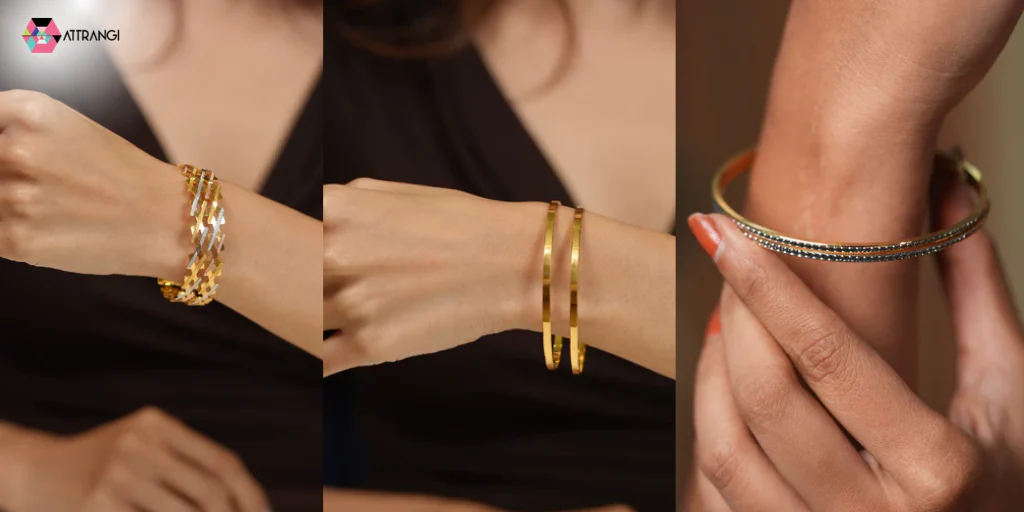
Elegant Minimal Jewelry Ideas for Daily Wear
Most people own more accessories than they wear, and the problem is rarely a lack of taste. The better move is learning how minimal jewelry ideas can make daily outfits feel finished without making them feel crowded. Across the USA, where a single day can move from school drop-off to office work, errands, coffee, and dinner, jewelry has to keep up with real life.
The best pieces do not shout for attention. They sit close to your skin, catch light at the right moment, and make a plain tee, blazer, sweater, or dress feel considered. That is why modern personal style choices often come down to restraint, not excess.
Minimal style does not mean boring style. It means every piece has a job. A small hoop can soften your face. A slim chain can pull a neckline together. A quiet ring can make your hands look polished when you are holding a coffee, typing at work, or signing a receipt at the grocery store. The goal is not to wear less for the sake of less. The goal is to wear better.
Building a Jewelry Base That Works With Real Daily Life
A strong jewelry base starts with what you actually wear on an ordinary Tuesday, not what looks good in a display tray. Most people buy accessories for imaginary outfits, then wonder why those pieces never leave the drawer. Daily jewelry has to match your habits, your clothes, and your tolerance for fuss.
Why Everyday Accessories Should Start Small
Small pieces earn their place because they do not demand constant attention. A thin chain, tiny studs, or slim bangle can stay on through work calls, grocery runs, school pickups, and weekend brunch without feeling out of place. That matters because everyday accessories should support your routine, not interrupt it.
The mistake is thinking small means invisible. A tiny gold stud against a white button-down can look sharper than a large statement earring with the same outfit. In a city like Chicago or Dallas, where people often move between practical dressing and social plans in one day, small jewelry helps you stay polished without changing your whole look.
A good base might include one pair of studs, one pair of small hoops, one short chain, one longer chain, and one ring you can wear without thinking. That sounds plain until you realize those five pieces can work with jeans, office outfits, sundresses, sweaters, and evening basics.
How Delicate Jewelry Handles Busy Outfits
Busy outfits need quiet jewelry because too many focal points create visual noise. A printed blouse, textured cardigan, pleated skirt, or patterned dress already brings enough movement. Delicate jewelry gives the eye a place to rest without making the outfit feel unfinished.
This is where restraint feels more expensive than effort. A fine chain with a small pendant can calm a floral dress. A slim bracelet can balance a watch without crowding the wrist. Tiny hoops can keep attention on your face when your outfit already has color, pattern, or layered fabric.
The counterintuitive truth is that delicate jewelry can make a bold outfit look more confident. It says you knew when to stop. That quiet decision often separates personal style from over-accessorizing.
Minimal Jewelry Ideas That Make Simple Outfits Feel Styled
The plainest outfits often benefit most from thoughtful jewelry. A black tee, straight jeans, white sneakers, or a soft knit dress can look unfinished on its own. Add the right piece, and the whole outfit feels intentional instead of thrown together.
What Simple Jewelry Styling Does for Basics
Simple jewelry styling gives basic clothes structure. A crewneck tee can look flat until a short chain breaks the empty space near the collar. A plain sweater can feel heavy until small hoops lift the face. A clean dress can look more personal with one ring and a fine bracelet.
American wardrobes lean heavily on practical basics, especially for hybrid work, casual offices, and weekend errands. That makes jewelry more than decoration. It becomes the detail that tells people the outfit was chosen, not grabbed in a rush.
One useful trick is to match the jewelry shape to the outfit’s mood. Clean lines work well with tailored clothes. Softer curves pair better with knits, linen, and relaxed dresses. The jewelry does not have to match every item, but it should speak the same visual language.
Why Gold and Silver Pieces Should Match Your Lifestyle
Gold and silver pieces are not only about skin tone. They are also about lifestyle, wardrobe color, and how much contrast you like. Gold tends to warm up cream, camel, olive, rust, navy, and denim. Silver often sharpens black, gray, white, cobalt, and cooler pastels.
A woman in New York wearing mostly black may find silver makes her outfits look crisp. Someone in Arizona who wears linen, tan sandals, and soft neutrals may reach for gold more often. Neither choice is more stylish. The better choice is the one that works with your closet most days.
Mixing metals can work too, but it needs intention. Start with one dominant metal, then add a small accent in the other. A silver watch with a gold ring can look natural if the rest of the jewelry stays quiet. Too much mixing without a plan can look accidental.
Choosing Pieces That Feel Comfortable From Morning to Night
Jewelry only becomes daily jewelry when it feels good after hours of wear. A necklace that twists, earrings that pinch, or rings that catch on fabric will not last in your routine. Comfort sounds practical, but it is also a style issue because discomfort shows.
How Everyday Accessories Should Fit the Body
Fit matters more than most shoppers admit. Earrings should feel light enough that you forget them by lunch. Rings should move over the knuckle without spinning all day. Bracelets should slide a little, not bang into every desk, laptop, or steering wheel.
Everyday accessories also need to match your work and movement. If you type all day, stacked bangles may annoy you by 10 a.m. If you work with kids, pets, food, or medical tools, low-profile pieces make more sense. Style gets better when it respects the body instead of fighting it.
A small necklace extender can make one chain work with several necklines. That tiny detail saves money and space because the same piece can sit higher with a V-neck or lower over a crewneck. Practicality can be elegant when it is done with care.
Why Delicate Jewelry Needs Better Storage Habits
Delicate jewelry looks easy, but it needs smart storage. Fine chains tangle fast. Tiny studs disappear in drawers. Slim rings get scratched when tossed beside keys, coins, or makeup. The lighter the piece, the less abuse it can take.
A small tray by the bed, a travel pouch, and a divided organizer can prevent most damage. This does not need to look fancy. It needs to be consistent. When pieces have a home, you wear them more often because getting dressed feels easier.
The unexpected benefit is that storage improves your style choices. When you can see your pieces clearly, you stop reaching for the same pair of earrings every day out of habit. You start choosing with purpose, even when the choice takes ten seconds.
Making Minimal Jewelry Personal Without Overdoing It
The best quiet jewelry still says something about you. A tiny initial, birthstone, vintage ring, small charm, or inherited chain can carry meaning without taking over the outfit. Personal style does not need volume. Sometimes it needs one detail with a story.
How Simple Jewelry Styling Can Show Personality
Simple jewelry styling becomes stronger when one piece has a personal reason behind it. A small pendant from a local boutique in Austin, a ring passed down from a grandmother, or a bracelet bought after your first promotion can make a clean outfit feel lived-in.
Personal pieces work best when you give them room. If the charm matters, keep the earrings quiet. If the ring has history, skip heavy stacks on the same hand. Meaning gets diluted when every piece competes for attention.
This is why minimal dressing can feel more intimate than maximal dressing. You are not hiding behind accessories. You are choosing the one or two details that say enough.
How Gold and Silver Pieces Can Shift Mood
Gold and silver pieces can change the mood of the same outfit in seconds. A white shirt with gold hoops feels warm, relaxed, and slightly sunlit. The same shirt with silver studs feels cooler, cleaner, and more urban. The clothes stay the same, but the message shifts.
This is useful for daily wear because most people repeat outfits. Jewelry lets repetition feel fresh. A black dress can work for the office with studs and a watch, then feel dinner-ready with a slim chain and stacked rings.
A small jewelry wardrobe is not limiting when each piece has range. The point is not to own every trend. The point is to own the few pieces that keep earning their space.
Conclusion
Good jewelry does not need to announce itself before you enter the room. It should move with you, support your clothes, and make ordinary outfits feel more cared for. That is the quiet strength of minimal style.
The smartest approach is to stop buying pieces for rare moments and start choosing pieces for the life you already live. Your best necklace should work with the shirt you wear most. Your favorite earrings should feel comfortable after five hours, not five minutes. Your rings should add polish without making you adjust your hands all day.
Minimal jewelry ideas work because they respect real routines while still leaving room for beauty. They help you look pulled together without turning dressing into another task on a long list.
Start with one piece you can wear three times this week, then build from there. Choose jewelry that feels natural, useful, and personal enough to stay in your life.
Frequently Asked Questions
What are the best minimal jewelry pieces for daily wear?
Small hoops, simple studs, slim chains, delicate bracelets, and low-profile rings are the easiest pieces to wear every day. They work with casual clothes, office outfits, and dinner looks without needing much adjustment or planning.
How do I choose jewelry that matches most outfits?
Start with your closet colors. Gold often works well with warm neutrals, denim, olive, and cream, while silver pairs well with black, white, gray, and cool tones. Choose the metal that fits most of what you already wear.
Can I wear minimal jewelry with business casual outfits?
Yes, minimal jewelry works well with business casual outfits because it adds polish without looking distracting. Small earrings, a fine necklace, and one clean ring can make blazers, button-downs, trousers, and knit tops feel more finished.
How many jewelry pieces should I wear at once?
Two to four pieces usually feel balanced for daily wear. A pair of earrings, one necklace, one ring, and a bracelet can look complete without feeling crowded. The right number depends on your outfit, neckline, and comfort.
Is it okay to mix gold and silver jewelry?
Yes, mixed metals can look stylish when one metal leads and the other acts as an accent. A gold necklace with a silver watch can work if the rest of the outfit stays clean and the jewelry shapes feel related.
What jewelry is best for sensitive ears?
Look for earrings made from sterling silver, solid gold, titanium, or surgical steel. Avoid mystery metals or cheap coatings when possible. Small studs or lightweight hoops are often easier for sensitive ears than heavy styles.
How do I keep delicate jewelry from tangling?
Store chains separately in small pouches, divided trays, or hanging organizers. Fasten necklaces before storing them so they do not knot as easily. For travel, thread a chain through a straw or place each piece in its own soft pouch.
What is the easiest way to style jewelry every morning?
Choose one anchor piece first, such as earrings or a necklace, then keep the rest quieter. Match the jewelry to your neckline, outfit mood, and plans for the day. A simple repeatable routine makes daily styling faster.