
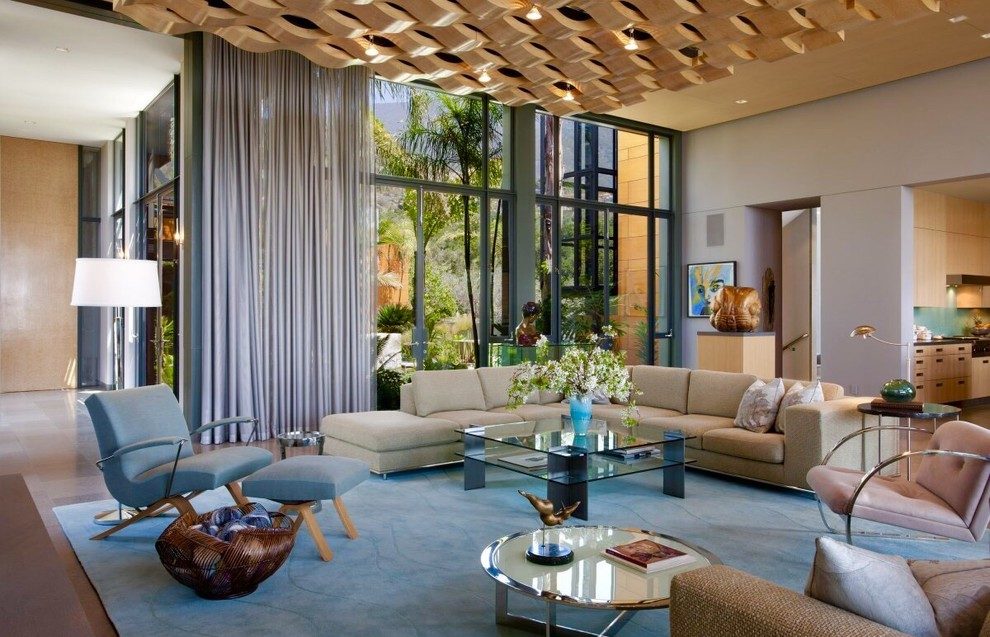
Elegant Home Decor Ideas for Timeless Interiors
A beautiful home can look expensive without shouting for attention. The best rooms usually feel calm first, then impressive second. That is where Home Decor Ideas matter most, because timeless style is less about chasing a trend and more about making choices that still feel right five years from now. For many American homeowners, that means balancing comfort, daily function, and quiet polish in a way that fits real life, not a showroom. A family room in Ohio, a condo in Chicago, or a townhome outside Atlanta all need the same thing: design that works on a Tuesday night and still feels special when guests arrive. Smart resources from trusted home and lifestyle publishers can help you spot what feels lasting instead of loud. The trick is not buying more. It is choosing better, editing harder, and giving every room a reason to feel settled.
Build the Room Around Shape, Scale, and Silence
A room starts speaking before color, fabric, or decor enters the picture. The height of a sofa, the weight of a coffee table, and the empty space between chairs decide whether the room feels calm or crowded. Most people rush to accessories, but scale is the quiet foundation that separates classic interior design from a room full of good pieces fighting each other.
Let Furniture Proportions Do the First Round of Styling
A sofa that is too deep can swallow a small living room, even when the fabric is beautiful. A tiny coffee table can make a wide sectional look unfinished. These mistakes happen often in American homes because people shop by item, not by room.
Measure the wall, walkway, rug zone, and sightline before choosing anything large. In a suburban Dallas living room, for example, a long low sofa can make an open-plan space feel grounded without blocking the kitchen view. That same sofa may feel heavy in a narrow Boston apartment where slimmer arms and taller legs work better.
Good proportion feels invisible when it is right. Nobody walks in and says, “Your scale is perfect.” They say the room feels easy. That ease is the point.
Use Empty Space Like a Design Element
Empty space is not wasted space. It gives your furniture room to breathe and lets the eye rest. A timeless room rarely feels packed from corner to corner, even when it has plenty of function.
One counterintuitive truth: removing one decent chair can make the remaining furniture look more expensive. The chair may be useful once a month, but the breathing room improves the space every single day. That trade is usually worth it.
Luxury home accents also land better when they are not surrounded by clutter. A marble bowl, a framed landscape, or a hand-thrown vase needs space around it. Without that pause, even a beautiful piece becomes background noise.
Choose Materials That Age With Grace
Rooms lose charm when every surface looks temporary. Plastic shine, thin veneers, and trendy finishes can look fresh for a season, then tired by the next holiday. Better materials do not always mean higher prices. They mean finishes that soften, deepen, and gain character instead of looking worn out.
Mix Natural Textures Without Making the Room Feel Rustic
Wood, linen, wool, stone, leather, and ceramic bring warmth because they carry natural variation. A walnut console with a linen shade feels alive in a way a flat-pack glossy piece rarely does. The goal is not to make the home look like a cabin. The goal is to let texture replace visual noise.
A neutral color palette helps these materials stand out without making the room feel plain. Cream walls, warm taupe upholstery, oak floors, and soft black hardware can create depth without leaning on loud contrast. That kind of restraint works well in both older homes and new builds.
The mistake is making every texture compete. A jute rug, reclaimed wood table, rattan chairs, woven baskets, and rough pottery can become too much in one room. Pick two or three strong textures, then let smoother surfaces calm the rest.
Spend More Where Touch Happens Most
A timeless room is not only seen. It is touched. Drawer pulls, sofa fabric, bedding, lampshades, cabinet handles, and dining chairs all shape how the home feels in daily life.
This is where a smart budget beats a large one. A homeowner in Phoenix might skip an expensive accent wall and instead buy better linen curtains, solid brass knobs, and a wool-blend rug for the living room. The room may not look dramatic in a before-and-after photo, but it will feel better every day.
Traditional modern decor works best when touch points feel honest. A simple shaker cabinet with a good handle can outlast a flashy cabinet door. A plain cotton coverlet can feel richer than a shiny synthetic set. Taste shows up in restraint more often than people think.
Elegant Home Decor Ideas That Keep Color Calm but Never Flat
Color can either age a room well or trap it in a specific year. The safest answer is not always white walls. The better answer is a layered palette that has warmth, contrast, and quiet movement. When color works, the room feels settled before a single accessory is added.
Build From Warm Neutrals Before Adding Stronger Notes
White can look clean, but it can also feel cold under the wrong light. Many American homes use mixed lighting from windows, ceiling cans, lamps, and screens. A stark white wall can shift from crisp in the morning to gray and lifeless at night.
Warm neutrals solve that problem. Soft beige, mushroom, ivory, clay, oatmeal, and greige create a forgiving base. They also pair well with wood floors, black frames, brass lighting, and natural stone. A neutral color palette should feel layered, not blank.
One useful test is simple: place your main fabric, wall sample, flooring tone, and metal finish together in daylight and lamplight. If they still look like they belong together at night, the palette has a stronger chance of lasting.
Use Contrast in Smaller, Smarter Doses
A timeless home still needs tension. Without contrast, every room turns sleepy. The difference is how you apply it.
Try a dark picture frame against a pale wall, a charcoal lamp on a light oak table, or deep green pillows on a cream sofa. These touches sharpen the room without taking over. They also give you room to change the mood later without repainting or replacing major pieces.
Classic interior design often uses contrast as punctuation, not the whole sentence. A black front door inside a soft entryway can feel firm and elegant. A dark dining chair around a light wood table can make a breakfast nook feel more grown-up. Small decisions carry more weight when the room around them stays calm.
Layer Meaning Through Art, Lighting, and Personal Objects
A polished room without personality feels like a hotel lobby. Clean, yes. Memorable, no. The final layer of a timeless home should tell people who lives there without turning every shelf into storage for old stuff.
Let Lighting Create Mood Before Decor Fills the Room
Overhead lighting alone can flatten even a well-designed room. Lamps, sconces, picture lights, and shaded pendants create pockets of warmth. They make a room feel lived in after sunset, which is when many homes actually need to perform.
A living room in Seattle may need more soft lighting because gray days are common. A sunny Florida home may need filtered lamps and woven shades to soften glare. The location changes the solution, but the principle stays the same.
Luxury home accents often look better under layered light. A ceramic lamp, a framed print, or a brass tray gains depth when light hits from the side. Lighting does not decorate the room by itself, but it decides whether the decor feels flat or alive.
Display Fewer Objects With Better Stories
Personal pieces make a home human. The trouble starts when every souvenir, framed photo, candle, and small gift gets equal attention. When everything is displayed, nothing feels special.
Choose objects with a clear reason to stay out. A black-and-white wedding photo, a bowl from a local maker, a stack of worn design books, or a framed map of a favorite city can say more than a shelf packed with filler. Traditional modern decor shines when personal pieces sit beside cleaner shapes.
A smart shelf might hold one tall vase, two stacked books, one framed photo, and a small sculptural object. That is enough. The empty space around those pieces tells the eye they matter.
Conclusion
A lasting home is built through choices that respect daily life. It does not need to impress strangers on the internet. It needs to welcome your family after work, hold its shape through busy seasons, and still feel beautiful when the trend cycle moves on. The strongest Home Decor Ideas are often the least noisy ones: better scale, warmer materials, calmer color, richer lighting, and fewer objects with deeper meaning. Start with one room and remove what weakens it before buying what might improve it. Then upgrade the pieces your hands touch, your eyes land on, and your family uses most. That is where real elegance begins. Choose one space this week, edit it with honesty, and give your home the kind of beauty that does not need to beg for attention.
Frequently Asked Questions
What are the best timeless decor choices for a living room?
Start with a well-scaled sofa, a durable rug, warm lighting, and natural materials like wood, linen, wool, or leather. Keep the color base calm, then add contrast through frames, pillows, lamps, or art instead of large trendy pieces.
How can I make my home look elegant on a budget?
Focus on editing first. Remove clutter, improve lighting, hang curtains higher, replace dated hardware, and choose fewer accessories with better shape or texture. A clean room with thoughtful details often looks more refined than a room filled with new purchases.
Which colors make interiors feel timeless?
Warm white, ivory, taupe, mushroom, soft gray, camel, clay, and muted olive tend to age well. These colors work because they support furniture, art, and natural materials without demanding constant attention.
How do I mix classic and modern home decor?
Pair clean-lined furniture with warmer traditional details. A modern sofa can sit beside an antique wood table, or a classic rug can balance simple black lighting. The room feels strongest when one style leads and the other adds character.
What home accents make a room feel more expensive?
Good lamps, framed art, substantial mirrors, textured pillows, solid trays, quality hardware, and handmade ceramics can raise the whole room. Choose pieces with weight, texture, and clear purpose instead of shiny items that only fill space.
How many decorative items should I put on shelves?
Use fewer items than the shelf can hold. Mix height, texture, and shape, then leave open space around key pieces. A shelf with breathing room looks intentional, while a packed shelf often feels like storage pretending to be decor.
Is neutral decor boring for American homes?
Neutral decor only feels boring when every surface has the same tone and texture. Add depth with wood, stone, woven fabric, black accents, layered lighting, and personal art. The room can stay calm while still feeling rich.
What is the easiest room to update first?
Start with the room you use every day, often the living room, bedroom, or dining area. Small changes there have a bigger emotional payoff. Better lighting, edited surfaces, cleaner furniture placement, and one strong focal point can shift the whole mood fast.