
Importance of Hiring Experienced Fire Station Design Professionals
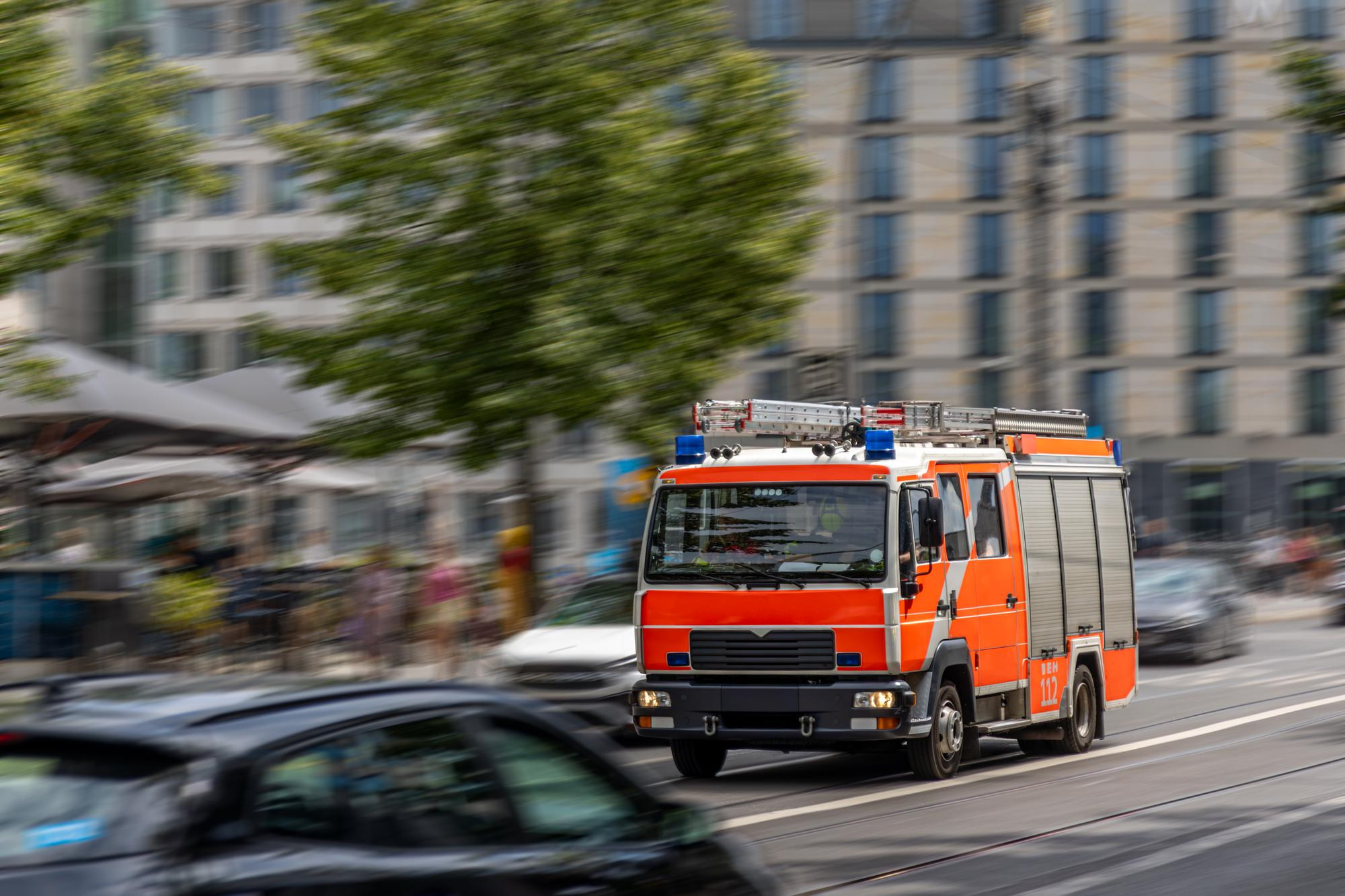
A fire station is a large building that houses firefighting vehicles, equipment, and personnel who respond to emergencies. It serves as the starting point for crews who are rushing to rescue missions.
Now, these facilities are carefully built, as every compartment must be safe and support crew well-being for decades. Professional architecture plays an important role in designing that space, so it’s crucial to hire only an experienced professional who can deliver with razor-sharp precision.
Optimized Response Time
Smart fire station design professionals will arrange the building layout to keep physical distances and obstacles to a bare minimum between firefighters and trucks. So, they introduce straight-line paths where firefighters sleep, eat, and train, allowing them to easily approach the truck.
They also use traditional brass poles or rapid-descent slides so the second-floor crew can drop to the ground floor in seconds.
The electronic or bi-fold apparatus doors are used as they open within seconds of an alarm. Lastly, the stations are designed to avoid backing trucks in. The vehicles are driven straight through from front to back to save time on parking.
Health and Contaminant Control
Now, these designers apply proper interior zoning to reduce exposure to hazardous toxins. For example, the layout is divided into red (dirty), transition (warm), and green (clean) zones so everyone can know where the risk is highest.
The truck bay also remains completely sealed off from the living quarters to prevent diesel exhaust from drifting into the living quarters. Firefighters returning from calls enter a hot zone to shed dirty gear before touching clean areas.
The designers recommend installing ventilation systems in gear storage rooms and sleeping quarters to keep the air clean.
Long-Term Resilience
A specialist will design the structure to adapt to future technology and heavy-duty operational demands.
For example, hardened exterior materials and flood mitigation strategies help the building withstand extreme weather events. The station remains functional during local emergencies.
Backup generators and solar arrays are incorporated to ensure power remains available 24/7, even if the grid fails.
The designers use an adaptable layout that makes future upgrades very simple, without costly overhauls.
Budget and Resource Management
A good designer will also reduce long-term costs by creating smart spaces that can serve a range of purposes. They use durable materials, so there are no repair costs over time. The simple, compact floor plans reduce initial construction costs.
If the solar panels are used, the station’s electricity bills will decrease significantly. The rainwater is collected and used to wash fire trucks, reducing utility usage. Lastly, centralized equipment rooms reduce the time staff spends locating and maintaining gear.
All these things ensure that the money is spent only where it’s needed.
Final Thoughts
The importance of hiring a pro designer can’t be overstated, as their decisions form the foundation on which the entire operation of the fire station stands. So when partnering with someone, check their credentials and see if they can solve unexpected problems as well.
