Waiting Rooms as Social Spaces: A Forgotten Part of Public Life
Waiting rooms are among the few public spaces where strangers spend time together without necessarily having anything in common. A hospital reception area, a government office, a railway lounge, or a neighborhood service center can bring together people from different backgrounds, occupations, and generations. Although these places are generally designed for temporary stays, they reveal interesting details about human behavior, social expectations, and everyday interactions. Beyond their practical purpose, waiting rooms represent an overlooked part of public life where patience, observation, and occasional conversations create unexpected connections.
Shared Spaces That Bring Different Lives Together
Most public environments are organized around specific activities. Restaurants encourage dining, libraries support reading, and shopping centers promote purchasing. Waiting rooms operate differently because everyone shares the same basic experience of waiting, regardless of their personal circumstances.
A retired teacher might sit beside a university student, while a business professional shares a bench with someone visiting a public office for the first time. These encounters rarely develop into lasting relationships, but they create moments of social awareness that are becoming less common in increasingly personalized environments.
Discussions about urban lifestyles in a Melbourne online magazine might explore how these ordinary spaces contribute to the character of a city. Waiting areas offer a small but meaningful picture of urban diversity, particularly in communities where residents follow different routines and rarely interact outside shared facilities.
Unspoken Rules That Shape Waiting Room Behavior
Waiting rooms have their own social expectations, even when nobody explains them. People generally respect personal space, avoid speaking too loudly, and acknowledge the order in which others arrived. These unwritten rules help strangers occupy the same environment without unnecessary conflict.
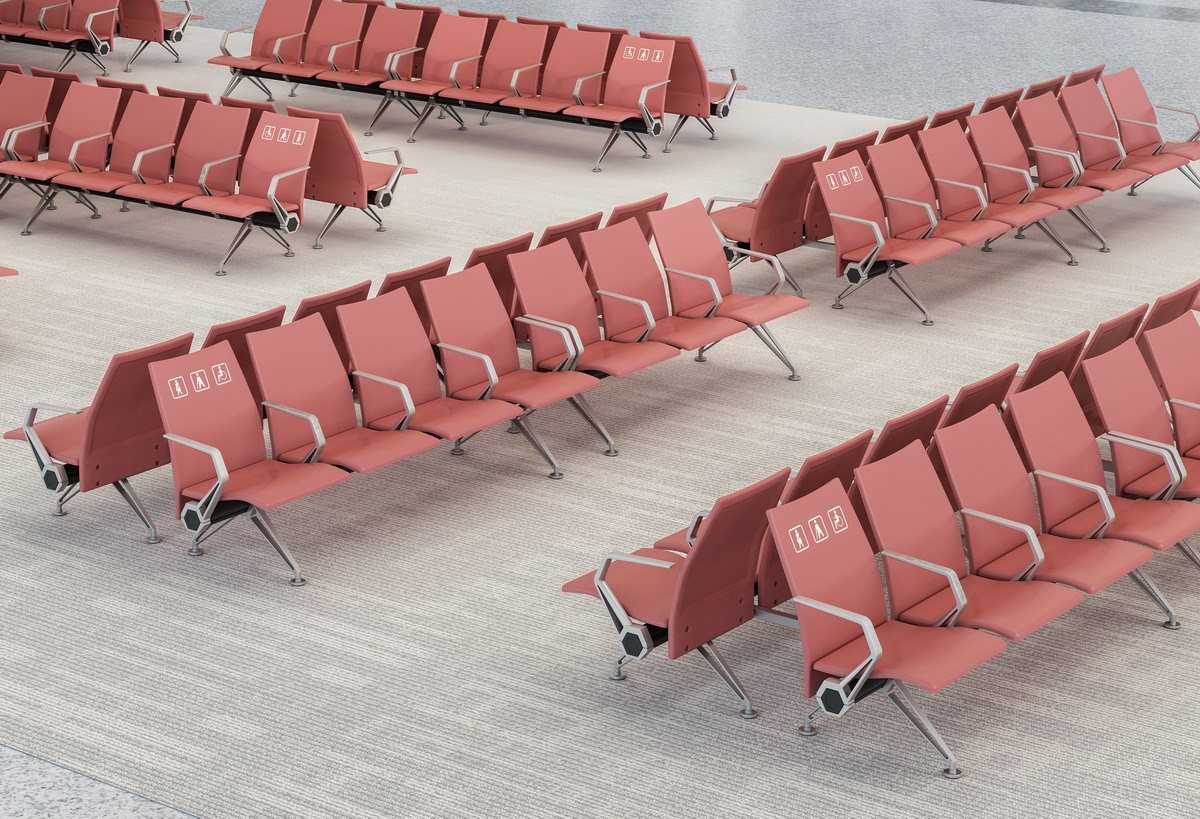
Seating arrangements also reveal interesting behavioral patterns. Individuals often choose chairs that provide some distance from others, particularly when several seats remain available. As the room becomes crowded, people gradually adjust their expectations about privacy and comfort.
These behaviors demonstrate how social cooperation operates through small decisions. Offering a seat to an older visitor, helping someone understand a queue system, or allowing a parent with a restless child additional space can make an otherwise uncomfortable experience more manageable.
Childhood Memories and Early Lessons in Public Behavior
For children, waiting rooms can become unexpected environments for learning about patience, social boundaries, and communication. Unlike classrooms or playgrounds, these spaces rarely provide structured activities. Children must observe unfamiliar surroundings while adjusting to rules established primarily for adults.
Parents often use these moments to explain respectful behavior, including speaking quietly, waiting for their turn, and recognizing the needs of other people. Such experiences can influence a child’s understanding of shared responsibilities and public courtesy.
Family lifestyle discussions associated with TheParent Australia can also highlight the challenges parents face when navigating public environments with young children. A thoughtfully designed waiting area with comfortable seating, accessible facilities, and suitable distractions can reduce stress for families while improving the experience for everyone nearby.
Technology and the Disappearance of Casual Conversations
Mobile phones have changed the atmosphere of waiting rooms considerably. Previously, people might read shared newspapers, observe their surroundings, or begin conversations with nearby strangers. Today, many visitors immediately turn toward personal screens, creating individual digital environments within a physically shared space.
This shift has practical advantages. People can answer messages, complete tasks, or access entertainment instead of concentrating on delays. However, constant screen engagement may also reduce opportunities for spontaneous social interaction.
A simple conversation about a delayed appointment or a shared observation about the weather can occasionally transform an ordinary wait into a memorable encounter. Such exchanges are not essential, but they remind us that public life includes informal connections as well as planned social activities.
Comfortable Design and Its Influence on Public Experiences
Waiting room design can influence how people experience delays and interact with their surroundings. Natural lighting, comfortable furniture, clear signage, and accessible seating arrangements can make shared environments feel more welcoming. Poor ventilation, confusing layouts, and overcrowding can create frustration before visitors even receive the services they need.
Organizations involved in communication and digital visibility, including Outreach Rangers, operate within a broader landscape where public expectations and user experiences increasingly influence reputation. Physical environments deserve similar attention because visitors often remember how they were treated and accommodated while waiting.
Rediscovering Value in Ordinary Public Spaces
Waiting rooms may never become popular social destinations, but their significance extends beyond providing somewhere to sit. They offer opportunities to observe community life, practice consideration, and experience brief connections outside familiar social circles.
Australian lifestyle resources such as https://vizz.com.au can provide a starting point for broader conversations about everyday experiences and changing social habits. Recognizing the importance of overlooked environments encourages greater appreciation for places that quietly support public interaction.
Conclusion
Waiting rooms occupy an unusual position between personal routines and collective experiences. Although visitors arrive for individual reasons, they temporarily participate in a shared environment shaped by patience, courtesy, and mutual awareness. As public services become increasingly digital and automated, preserving comfortable physical spaces remains important. A waiting room may appear ordinary, but its everyday interactions offer a revealing glimpse into the social connections that continue to shape community life.