
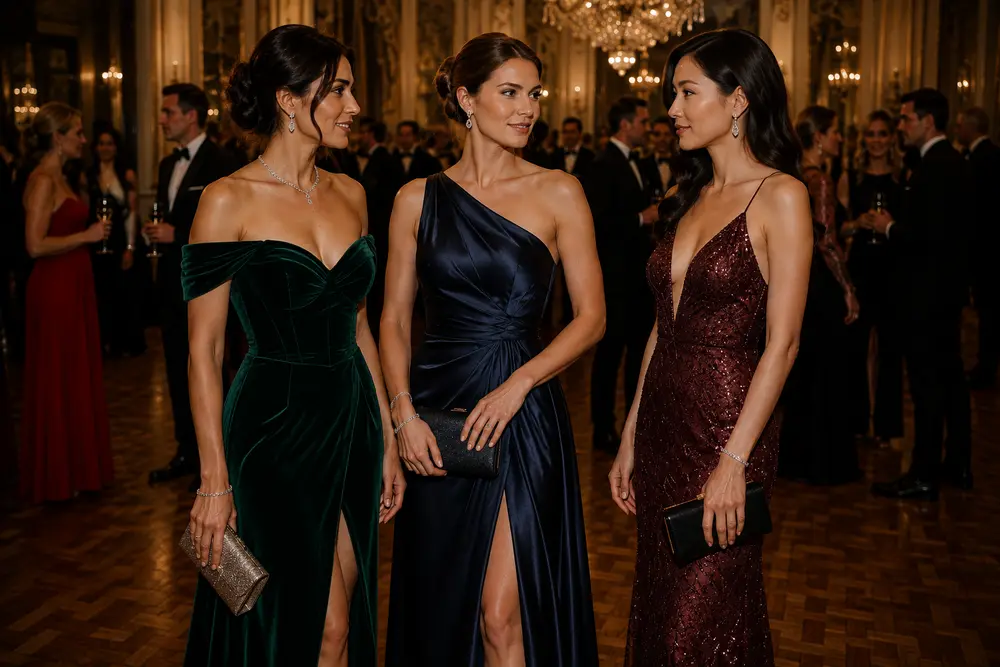
Elegant Evening Gown Ideas for Formal Events
A great gown does not whisper for permission when you walk into a room. It sets the mood before you say hello, and the best evening gown ideas help you feel dressed for the moment instead of dressed for someone else’s approval. Across the USA, formal events can mean a black-tie wedding in Chicago, a nonprofit gala in Dallas, a winter awards dinner in New York, or a polished charity ball in Atlanta.
The mistake many women make is chasing drama before they understand fit, fabric, and setting. A gown can sparkle, sweep the floor, and photograph well, but still feel wrong if it fights the room. Real elegance comes from control. The color works with the lighting. The neckline fits the event. The hem lets you move.
Style also lives beyond the dress rack. Thoughtful fashion choices, strong grooming, and polished details often shape how people remember a formal look, which is why trusted lifestyle platforms like formal style coverage matter when you want inspiration that feels current without turning your outfit into a costume.
Elegant Evening Gown Ideas That Start With the Event Itself
The smartest gown choice begins before you touch a hanger. Formal events have their own language, and the woman who reads the room well usually looks more expensive than the woman who only buys the loudest dress. A gown should match the occasion’s rhythm, not compete with it.
How do black-tie dress codes shape better gown choices?
Black-tie events ask for polish, not panic. A floor-length gown in satin, crepe, chiffon, or velvet usually fits the tone better than a trendy cutout dress that feels better suited to a nightclub. In cities like Boston, Washington, D.C., and San Francisco, black-tie rooms often reward quiet confidence.
A deep navy column gown can look stronger than a glitter-heavy dress because it lets posture, tailoring, and jewelry do the talking. That is the part people miss. Formal does not mean covered in shine. It means intentional from shoulder to hem.
A good test is simple: would the gown still look graceful in a seated dinner photo? Many formal events involve long meals, speeches, and mingling. If the dress only works while standing still under perfect lighting, it may not serve the whole night.
Why does venue lighting change the entire gown?
Venue lighting can make or break fabric. A champagne satin gown may glow beautifully at a hotel ballroom, yet look washed out under harsh conference-center lights. A black velvet gown can feel rich at a winter gala but heavy at a summer coastal wedding.
American formal events vary wildly by region. A Miami evening event often welcomes lighter color, movement, and skin-baring shapes, while a Minneapolis winter fundraiser may call for deeper tones and warmer textures. Climate matters more than most style advice admits.
Lighting also changes how embellishment behaves. Sequins under candlelight can look soft and romantic. Under bright LEDs, the same dress may look sharp and busy. Before choosing sparkle, think about the room, not the mirror.
Choosing Silhouettes That Respect Your Shape
Once the event is clear, silhouette becomes the next decision. This is where many gowns succeed or fail. A beautiful dress on the rack means nothing if it pulls, twists, gaps, or forces you to keep adjusting it all evening.
Why are column gowns stronger than people expect?
Column gowns look simple, but they demand good fit. That is why they often feel more refined than dresses with heavy layers. A clean column shape creates one long visual line, which works well for formal dinners, corporate galas, and elegant weddings.
The secret sits in the tailoring. A column gown should skim, not squeeze. It should let you walk without tiny steps and sit without fabric dragging across the hips. When those details work, the dress feels calm and expensive.
This shape also gives accessories room to matter. A sculptural earring, sleek clutch, or soft wrap can add interest without turning the outfit into a pile of competing ideas. Restraint can be a power move.
When does an A-line gown make the most sense?
An A-line gown works when you want movement, comfort, and a classic frame. It is often the safest choice for long events because the skirt gives ease without looking casual. That makes it especially useful for weddings, anniversary dinners, and formal family celebrations.
A soft A-line in chiffon can feel graceful at a spring event in Charleston or Napa, while a structured mikado version can hold its shape in a grand hotel ballroom. The same silhouette changes personality through fabric. That is why the label alone never tells the full story.
The only danger is choosing too much volume. A skirt that looks romantic in a boutique can feel bulky around tables, stairs, and crowded reception spaces. The best A-line gowns move with you instead of building a wall around you.
Color, Fabric, and Detail Need Discipline
A gown becomes memorable when color, fabric, and detail agree with each other. Trouble starts when every part of the dress tries to be the star. The strongest formal looks usually have one main idea and several quiet supporters.
Which gown colors feel timeless at formal events?
Black remains powerful because it frames the face and lets texture matter. Navy, emerald, burgundy, espresso, ivory, and pewter also carry formal weight without feeling predictable. These shades work across many American venues because they hold up in photos and under mixed lighting.
Color should also respect the event type. Guests at weddings should avoid shades that compete with the bride, while charity galas and award dinners allow more personal expression. A ruby gown can feel stunning in December, but the same shade may feel intense at a beachside spring reception.
Skin tone plays a role, but confidence matters too. A color that makes you stand taller often beats the technically “correct” shade. You can feel that difference the second you stop fidgeting.
How can fabric make a simple gown feel expensive?
Fabric carries more status than decoration. A plain crepe gown with a clean neckline can look richer than a heavily embellished dress made from weak material. Good fabric falls well, holds shape, and photographs without looking thin or shiny in the wrong way.
Satin brings glow, velvet adds depth, chiffon creates movement, and crepe gives structure without stiffness. Each fabric has a job. The mistake is asking one gown to do every job at once.
Details need the same discipline. One strong detail is enough: a draped shoulder, a low back, a beaded cuff, or a sculpted neckline. When a gown has lace, sequins, ruching, cutouts, and a train, the eye has nowhere to rest.
Finishing the Look Without Overworking It
A gown is only the center, not the whole outfit. Hair, shoes, jewelry, makeup, and outerwear decide whether the look feels complete. The final polish comes from editing, not adding one more shiny thing.
What accessories make formal dresses look more refined?
Accessories should support the gown’s strongest feature. If the neckline is high, earrings often matter more than a necklace. If the dress has a clean strapless shape, a delicate collar necklace or bold cuff can bring balance.
Shoes deserve more respect than they get. At formal events, comfort is not a small detail. A woman limping across a ballroom never looks elegant, no matter how beautiful the heels are. Block heels, padded soles, and tested straps can save the night.
A clutch should hold the basics without bulging. Phone, lipstick, card case, and keys are enough. When the bag looks packed, the outfit loses polish fast.
How should hair and makeup support the gown?
Hair and makeup should match the gown’s mood. A sleek bun can sharpen a minimalist dress, while soft waves can relax a romantic chiffon gown. The face and dress need to feel like they belong to the same evening.
Makeup should also consider photography. Flash can flatten features, while dim lighting can swallow soft color. A defined eye, balanced skin, and a lip shade with enough presence often work better than copying a trend from a screen.
Outerwear is the final test. A formal coat, wrap, or tailored cape keeps the look intact when temperatures drop. Nothing ruins a refined entrance faster than throwing a casual puffer over a formal gown because the coat was an afterthought.
A formal gown should never make you feel like you are performing elegance for strangers. It should help you move through the evening with ease, taste, and a little authority. The strongest evening gown ideas are not about copying the most dramatic look in the room; they are about choosing the dress that makes sense for your body, your event, and your personal standard.
Fashion changes, but presence stays. A gown with the right fit, fabric, color, and finish gives you that presence without begging for attention. Before your next formal event, start with the room, then choose the silhouette, then edit every detail until nothing feels accidental. Dress like the evening deserves thought, and you will never look overdressed for your own life.
Frequently Asked Questions
What are the best evening gown styles for formal weddings?
Floor-length A-line, column, and soft mermaid gowns usually work best for formal weddings. Choose colors that respect the wedding palette and avoid anything too bridal. Satin, chiffon, crepe, and velvet are strong choices, depending on season and venue.
How do I choose an evening gown for a black-tie event?
Start with a floor-length silhouette in a refined fabric. Black, navy, emerald, burgundy, and metallic neutrals often work well. Avoid overly casual details, short hems, and flashy designs that feel better suited to parties than formal dinners.
What color evening gown looks most elegant in photos?
Black, navy, deep green, burgundy, champagne, and pewter often photograph well because they hold depth under different lighting. The best shade also depends on your skin tone, venue lighting, and event season, so test the color in natural and indoor light.
Are sequined gowns appropriate for formal events?
Sequined gowns can work beautifully when the cut is refined and the setting supports sparkle. Choose clean silhouettes and avoid heavy accessories. A sequined dress looks most elegant when the rest of the outfit stays calm and controlled.
What shoes should I wear with a long evening gown?
Choose heels or dressy flats that let the hem fall cleanly without dragging. Comfort matters because formal events often involve standing, walking, and dancing. Metallic sandals, satin pumps, and low block heels can all look polished.
How can I make a simple gown look more formal?
Focus on tailoring, jewelry, hair, makeup, and fabric quality. A simple gown can look formal with a sleek updo, refined earrings, a structured clutch, and elegant shoes. The cleaner the dress, the more each finishing detail matters.
What evening gown fabric is best for winter formal events?
Velvet, satin, crepe, and heavier silk blends work well for winter formal events. These fabrics carry depth and structure, especially in darker shades. Add a formal wrap, cape, or tailored coat so the outfit still looks polished outdoors.
Can petite women wear floor-length evening gowns?
Petite women can wear floor-length gowns beautifully when the fit is clean and the hem is tailored. Column gowns, high waists, vertical seams, and simple necklines can create length. Avoid heavy volume that overwhelms your frame.