
Elegant Ethnic Wear Tips for Festive Occasions
A beautiful festive outfit can fall flat when it feels borrowed from someone else’s life. The best ethnic wear tips start with knowing what the occasion asks for, then shaping the look around your comfort, culture, and setting. Across the USA, festive dressing often happens in mixed spaces: a Diwali dinner in New Jersey, an Eid brunch in Houston, a wedding reception in Chicago, or a cultural gala in Los Angeles. That means your outfit has to respect tradition while still working for parking lots, long dinners, family photos, and unpredictable weather. Style has become part of how people show memory, identity, and pride, especially when culture is celebrated away from its original home. A smart festive wardrobe does not need to be loud to feel meaningful. It needs balance, good fit, thoughtful styling, and one detail that feels personal. For more cultural lifestyle inspiration, explore modern celebration style ideas that help traditional dressing feel current without losing its roots.
Choosing Festive Outfits That Respect the Occasion
The first mistake people make with festive outfits is dressing for the photo instead of the event. A heavily embroidered outfit may look stunning under bright lights, but it can feel stiff during a backyard celebration or a casual temple gathering. The smarter move is to read the room before choosing the fabric, color, and shape.
How Do You Match Traditional Clothing to the Event Type?
A formal wedding reception allows rich fabrics, layered jewelry, and sharper tailoring. A family prayer gathering calls for softer pieces, lighter movement, and a more grounded mood. This difference matters because traditional clothing carries social signals. People notice when your outfit fits the spirit of the event.
A silk kurta set, embroidered lehenga, sari, sherwani, anarkali, or kaftan-inspired piece can all work beautifully in the USA. The deciding factor is not how “ethnic” the outfit looks. It is whether the outfit lets you participate with ease. You should be able to sit, greet elders, eat comfortably, and move without fuss.
Why Comfort Matters More Than Heavy Detail
Festive dressing often gets judged by sparkle, but comfort usually decides whether the outfit succeeds. A heavy dupatta, tight blouse, stiff collar, or slippery shoe can ruin the night before dinner is served. No one looks elegant while tugging at sleeves every five minutes.
A better approach is to choose one dramatic element and keep the rest wearable. Let the jacket carry the embroidery. Let the sari border shine. Let the jewelry frame the face instead of fighting the neckline. This keeps celebration style polished without turning the outfit into a burden.
Ethnic Wear Tips for Building a Balanced Look
A strong festive outfit needs a center of gravity. When every part competes, the eye has nowhere to land. Balance is not about playing safe. It is about knowing which part of the outfit deserves attention and which parts should support it.
How Can Color Make Cultural Fashion Feel Modern?
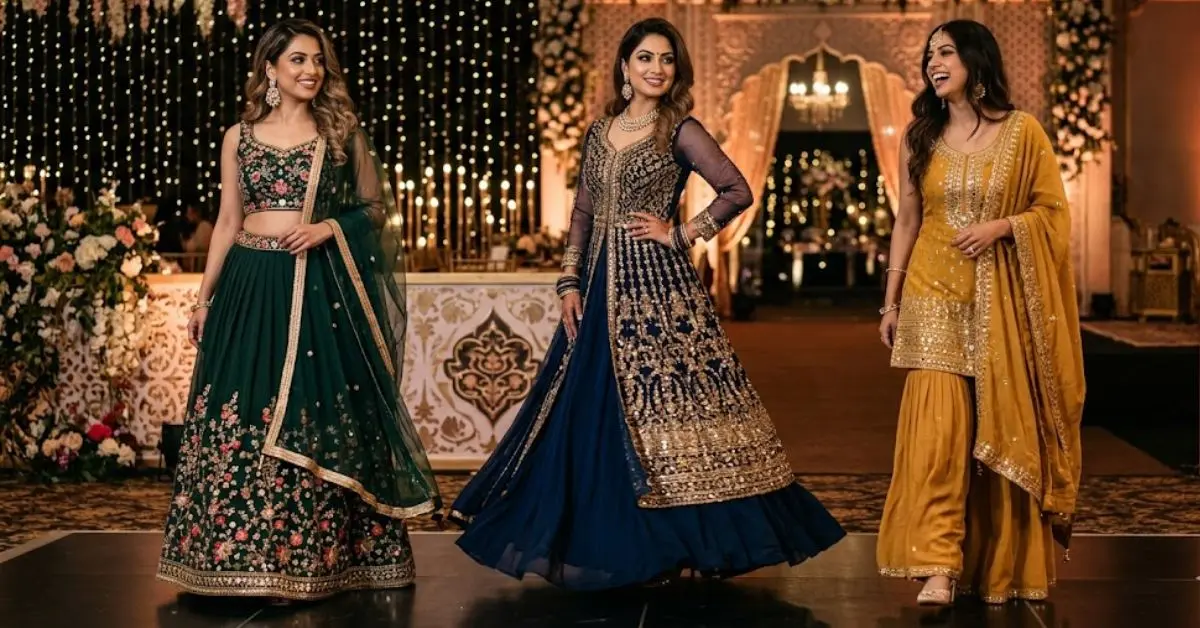
Color often does more than decoration. Deep green, maroon, ivory, navy, mustard, rust, and jewel tones can make cultural fashion feel rich without looking costume-like. In American festive settings, these shades also photograph well under indoor lighting, which matters during long family events.
The counterintuitive move is to avoid the brightest color in the room when the outfit already has strong texture. A muted gold sari with clean jewelry can look more expensive than a neon outfit covered in heavy stones. Restraint often reads as confidence.
What Should You Do When Prints, Embroidery, and Jewelry Compete?
Printed fabric, metallic work, beadwork, and jewelry all speak at once. Your job is to make one voice lead. If the outfit has a bold print, choose quieter jewelry. If the neckline has detailed embroidery, skip the heavy necklace and wear earrings instead.
This works for men too. A richly woven sherwani does not need a loud pocket square, bold shoes, and layered chains. One sharp accent can carry the whole look. For related styling ideas, you can connect this piece to formal wear ideas for family gatherings and festive color palettes for special events so readers can keep building a useful wardrobe.
Styling Details That Make Festive Outfits Feel Personal
Once the main outfit is chosen, the smaller choices decide whether the look feels alive. Shoes, bags, hair, watches, scarves, bangles, fragrance, and even posture change the final impression. Details should feel intentional, not random.
How Do Accessories Strengthen Celebration Style?
Accessories should frame your outfit, not rescue it. A pair of jhumkas, a clean clutch, polished loafers, embroidered flats, a brooch, or a classic watch can add depth without noise. The best accessories often carry memory: a family bangle, a gifted shawl, or earrings worn at past celebrations.
American festive events also involve practical movement. You may drive across town, walk through a hotel lobby, stand in a buffet line, or dance for hours. Choose shoes before the outfit is final. Painful footwear can make even perfect traditional clothing feel like a mistake.
Why Tailoring Beats Trend Chasing
A well-fitted simple outfit almost always beats a trendy outfit with poor proportions. Sleeves that hit correctly, trousers with the right break, a blouse that supports movement, and a kurta that sits cleanly on the shoulder can change the whole look.
Tailoring also helps bridge culture and modern life. Many people in the USA mix heirloom pieces with new cuts because their events are hybrid by nature. A classic dupatta with a clean column dress, a sari with a structured blouse, or a kurta with tailored pants can feel respectful and current at the same time.
Dressing With Cultural Confidence in American Festive Spaces
Festive dressing in the USA often carries an extra layer. You may be dressing for family tradition, community pride, personal faith, or cultural memory while standing in a country where not everyone understands the meaning behind the clothes. That can feel powerful. It can also feel awkward if the outfit feels like a performance.
How Do You Keep Cultural Fashion Respectful Without Feeling Stiff?
Respect starts with knowing what you are wearing and why. If a garment has religious, regional, or ceremonial meaning, treat it with care. Ask family members, designers, or community elders when you are unsure. The Smithsonian Center for Folklife and Cultural Heritage is also a strong resource for learning how culture lives through craft, clothing, food, and public celebration.
Respect does not mean fear. Cultural fashion grows when people wear it with understanding. A second-generation American wearing a sari, kurta, salwar suit, or embroidered jacket in a fresh way is not watering down tradition. Done with care, it keeps the tradition breathing.
What Makes Festive Dressing Feel Authentic?
Authenticity comes from one honest choice. It may be a fabric linked to your region, a color your family loves, a jewelry piece from your mother, or a silhouette that lets you feel like yourself. The outfit should not erase your personality.
The strongest festive outfits do not scream for approval. They carry a story with calm force. When you choose pieces that fit your body, your event, and your cultural comfort zone, you stop wearing a costume and start wearing belonging.
Conclusion
Festive dressing should never feel like a test you are trying to pass. It should feel like a way to enter the room with ease, memory, and self-respect. The smartest approach is simple: understand the event, choose one strong visual focus, tailor the fit, and let one personal detail carry the emotional weight. That is where ethnic wear becomes more than fabric. It becomes a quiet statement about where you come from and how you choose to show up now. In the USA, where celebrations often blend tradition with modern routines, the best ethnic wear tips are not about copying the loudest outfit online. They are about dressing with care, comfort, and cultural confidence. Before your next festive occasion, pull out one piece you already love and build around it with intention. Let your outfit speak clearly before you say a word.
Frequently Asked Questions
What are the best ethnic outfit ideas for festive occasions in the USA?
Choose outfits that match the event’s formality and your comfort level. Sari sets, kurta suits, lehengas, sherwanis, anarkalis, and embroidered jackets all work well when the fabric, fit, and accessories suit the setting.
How can I make traditional clothing look modern without losing culture?
Pair classic garments with cleaner cuts, lighter styling, and thoughtful accessories. A structured blouse, tailored pants, simple jewelry, or refined shoes can update the look while keeping the cultural base clear and respectful.
What colors work best for festive outfits at evening events?
Deep jewel tones, ivory, maroon, navy, emerald, gold, rust, and charcoal work well for evening celebrations. These shades look rich under indoor lighting and usually photograph better than harsh neon tones.
How much jewelry should I wear with ethnic clothing?
Let the outfit decide. Heavy embroidery usually needs lighter jewelry, while a simple outfit can handle stronger pieces. Pick one main focus, such as earrings, a necklace, bangles, or a statement ring.
What shoes are best for ethnic festive wear?
Choose polished shoes that support movement. Embroidered flats, block heels, loafers, dress sandals, and clean formal shoes work well. Avoid anything painful, slippery, or too delicate for the venue.
How can men style ethnic wear for festive occasions?
Men can choose a kurta set, sherwani, Nehru jacket, embroidered waistcoat, or tailored bandhgala. Fit matters most. Keep shoes clean, accessories restrained, and colors tied to the event’s mood.
Can I mix Western pieces with traditional clothing?
Yes, when the mix feels intentional. A kurta with tailored trousers, a sari with a structured blouse, or an embroidered jacket over a plain dress can feel stylish while still honoring the traditional element.
How do I avoid looking overdressed at a family celebration?
Study the setting before choosing the outfit. For casual home events, wear softer fabrics, lighter embroidery, and practical shoes. Save heavier pieces for weddings, receptions, formal dinners, and larger community gatherings.