Smart Interview Outfit Ideas for Career Confidence
A hiring manager starts forming an opinion before your first answer lands. That may feel unfair, but it is also useful because your clothing can help you walk in with more control. Strong interview outfit ideas do not mean dressing like someone else or hiding your personality under stiff fabric. They mean choosing clothes that make the room focus on your ability, not your distractions. For American job seekers, that balance can shift by industry, city, company culture, season, and role level. A finance interview in Chicago asks for a different visual message than a creative agency interview in Austin. Still, the goal stays the same: look prepared, aware, and steady. Smart style choices also connect to broader career visibility, which is why resources like professional branding guidance matter when you want your first impression to match your long-term goals. The best outfit does not shout. It quietly tells the interviewer, “I understand the room, and I am ready to contribute.”
Interview Outfit Ideas That Match the Role Before You Speak
A good interview outfit starts with context, not shopping. The mistake many candidates make is dressing for a fantasy version of professionalism instead of the actual workplace they want to enter. You do not need to look expensive. You need to look accurate.
Reading the company without copying its employees
Company culture leaves clues everywhere. Look at the company website, LinkedIn photos, recruiting videos, and event images. A law firm with dark suits in every leadership photo is giving you one signal. A Denver software startup showing team members in clean sneakers and knit polos is giving you another.
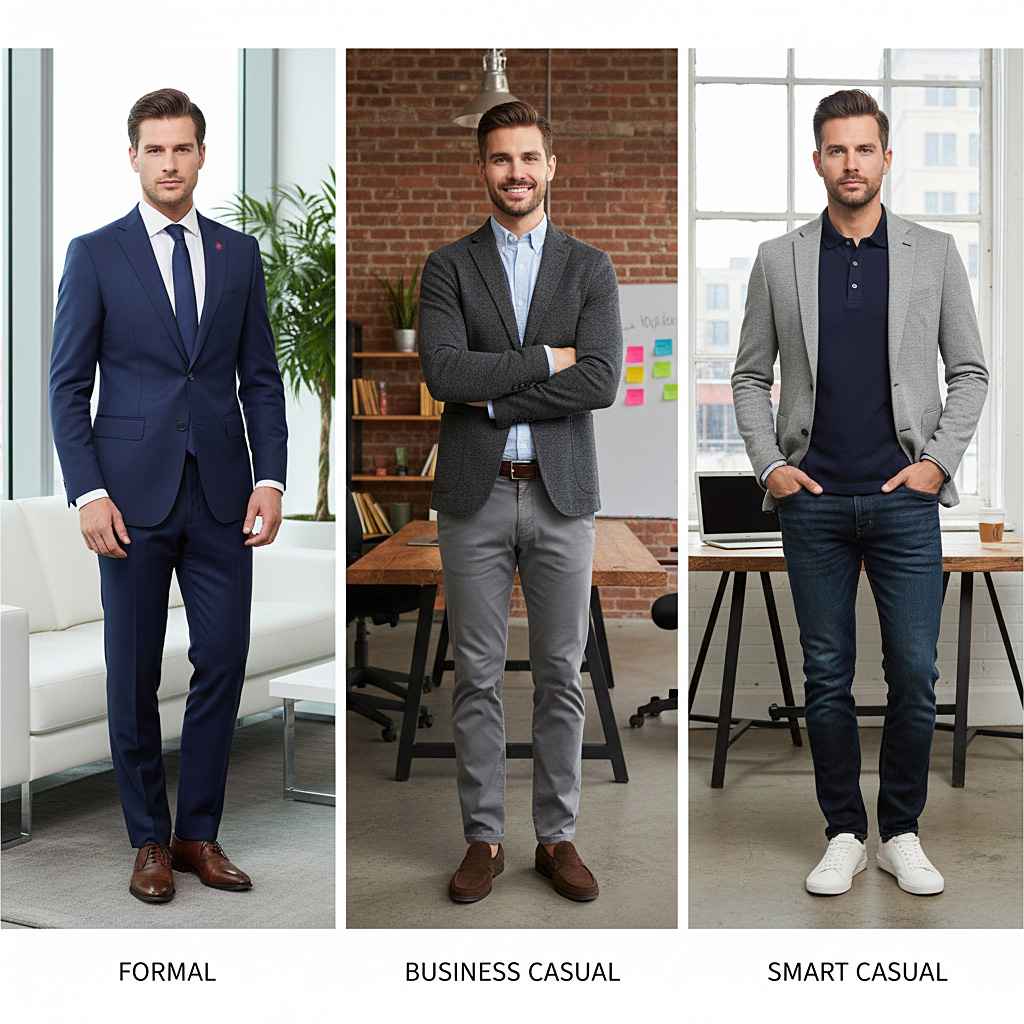
Professional interview attire should sit one step sharper than the everyday office standard. That small lift shows respect without making you look disconnected from the team. If employees wear jeans and hoodies, you might choose dark jeans, a crisp blouse or button-down, and a structured jacket. If the team wears suits, you should not arrive in business casual and hope charm fills the gap.
The counterintuitive part is simple: overdressing can hurt when it looks like you did not read the room. A candidate interviewing for a field marketing role at a casual outdoor brand may look less convincing in a stiff navy suit than in polished chinos, a clean shirt, and a weather-appropriate jacket. Fit the company first. Then sharpen the look.
Dressing for the level you want, not the level you fear
Entry-level candidates often underdress because they worry about looking like they are trying too hard. Senior candidates sometimes overdress because they rely on old rules. Both habits can weaken the signal. Your outfit should say you understand the job’s responsibility.
For a coordinator role, neat trousers, a simple top, and clean shoes can work well. For a manager or director role, stronger structure matters more. A blazer, tailored dress, refined loafers, or a pressed shirt gives your presence more weight without turning the interview into a costume.
Job interview outfits should never make you feel trapped in someone else’s skin. Confidence drops fast when you spend the conversation tugging at sleeves, adjusting a waistband, or worrying that your shoes squeak. Try the full outfit while sitting, standing, walking, and reaching for a bag. The mirror only tells part of the truth. Movement tells the rest.
Building a First Impression Outfit Around Fit, Fabric, and Color
The first impression outfit succeeds when the basics work together. Fit, fabric, and color may sound simple, but they carry most of the visual load. A modest outfit with excellent fit beats a pricey outfit that pulls, wrinkles, or shines under office lighting.
Why fit matters more than brand names
Fit is the quiet difference between “prepared” and “thrown together.” Sleeves that hit at the right point, pants that break cleanly, and shoulders that sit flat make an outfit look intentional. Nobody in the interview may name those details, but they feel them.
A practical example helps. A candidate wearing a $70 blazer that has been tailored at the sleeves often looks sharper than someone wearing a designer blazer with bunching shoulders and sagging cuffs. In interviews, neatness reads as judgment. Poor fit can make even good clothing look careless.
Office-ready style does not require a closet full of formal pieces. It requires a few items that behave well under pressure. A washable blazer, wrinkle-resistant trousers, a structured cardigan, or a clean midi dress can carry several interviews when styled carefully. The smartest wardrobe is not the biggest one. It is the one that shows up well on stressful mornings.
Choosing colors that support your message
Color should support the conversation, not steal it. Navy, charcoal, cream, camel, black, olive, soft blue, and muted burgundy often work well because they look calm on camera and in person. Loud prints can work in creative fields, but they need discipline.
For video interviews, color becomes even more direct. A bright white shirt may glare under a window. Tiny checks can flicker on screen. Black can flatten your shape if the lighting is poor. Test your outfit on your webcam before the interview. What looks good in your bedroom mirror may look washed out on a laptop camera.
Professional interview attire also benefits from contrast. A navy blazer over a light blue shirt, a camel cardigan over a black top, or a charcoal dress with a soft belt gives the eye structure. The outfit feels organized, and that can make your answers feel more organized too. Not because clothing creates skill. Because it removes noise.
Making Comfort Look Polished, Not Casual
Comfort has earned its place in modern workwear, but interview comfort needs editing. The point is not to feel like you are lounging at home. The point is to stay physically calm enough to think clearly. Stiff clothes can make a strong candidate look tense before the real questions begin.
Shoes, layers, and small details that protect your focus
Shoes matter because interviews rarely stay still. You may walk from a parking garage, climb stairs, tour the office, or stand while meeting team members. Painful shoes make your face work harder than it should. Choose footwear that is clean, stable, and already broken in.
Loafers, low block heels, dress flats, Chelsea boots, and polished leather sneakers can all work depending on the industry. Worn-down soles, loud scuffs, and overly casual athletic shoes send the wrong signal. The shoe does not need to be formal in every workplace, but it needs to look chosen.
Layers protect you from bad temperature guesses. American offices can swing from icy conference rooms to warm waiting areas. A blazer, cardigan, light trench, or structured overshirt lets you adapt without looking messy. That is where office-ready style shines. It gives you control without fuss.
Grooming and accessories that stay in the background
Accessories should help the outfit finish, not compete with your answers. A simple watch, small earrings, a clean belt, or a neat tote can sharpen the look. Big logos, noisy bracelets, and overstuffed bags can pull attention at the wrong moment.
Grooming follows the same rule. Hair should stay out of your face. Nails should look clean. Fragrance should be light or skipped because small rooms make scent louder. Clothes should be lint-free, pressed, and checked in natural light before you leave.
The unexpected truth is that small flaws become bigger when the interview is high pressure. A missing button may not ruin anything, but it gives your brain one more thing to manage. The best job interview outfits are boring in the right places. They free you to be interesting where it counts.
Adjusting Your Outfit for In-Person, Video, and Seasonal Interviews
A smart interview look changes with the setting. The same outfit will not behave the same way in a downtown office, a Zoom window, a summer commute, or a winter lobby. Career style is not one rule. It is a set of smart adjustments.
Dressing for video without looking half-prepared
Video interviews tempt people to care only about the top half. That shortcut can backfire. Wearing full interview clothes changes how you sit, speak, and carry yourself. You do not need formal shoes at your desk, but you should avoid the mental split of a polished shirt and pajama pants.
Your camera frame should show a clean neckline, neat shoulders, and enough contrast from the background. Avoid tops that blend into your wall. Avoid distracting patterns. Keep jewelry still and quiet because microphones catch more than people expect.
A strong first impression outfit on video often includes a structured top layer. A knit blazer, cardigan jacket, pressed shirt, or polished blouse gives shape inside the small frame. The screen reduces body language, so your clothing has to do more work with less space.
Handling weather without losing polish
Seasonal dressing is where many interview outfits fall apart. Summer heat can wrinkle cotton before you reach reception. Winter slush can ruin shoes. Rain can flatten hair and soak hems. Plan for the weather as part of the outfit, not as an afterthought.
In summer, choose breathable fabrics with structure, such as lightweight wool blends, ponte, linen blends, or polished cotton poplin. Keep backup blotting papers, a comb, or a travel steamer nearby when needed. In winter, wear a proper coat over the outfit instead of hoping a hoodie will not be noticed.
For rainy days, dark trousers, ankle boots, and a trench or clean raincoat can keep the look composed. Bring interview shoes separately if the commute is messy. That may sound extra, but it is practical. Interview outfit ideas should make your day easier, not turn clothing into another test.
Conclusion
The right interview outfit gives you one less thing to fight. It lets your voice, experience, and judgment take the lead while your appearance quietly supports the message. That does not mean every candidate needs a suit, high heels, or expensive labels. It means every candidate needs intention. Before your next interview, lay out the full look, test it under real conditions, and ask one honest question: does this help me enter the room as the person I want them to meet? Career confidence grows from preparation that feels visible but not loud. Smart interview outfit ideas work because they remove doubt before the first handshake, first Zoom greeting, or first hard question. Choose the outfit that respects the role, fits your body, handles the day, and keeps attention where it belongs. Dress like your future self has already made the decision to show up ready.
Frequently Asked Questions
What should I wear to a job interview in the USA?
Choose an outfit that is one step more polished than the company’s daily dress code. For most roles, tailored pants, a clean shirt or blouse, a blazer, and polished shoes work well. Match the industry, but keep the look neat and intentional.
Are jeans acceptable for a modern interview outfit?
Dark, clean jeans can work for casual workplaces, creative roles, startups, and some retail or tech settings. Pair them with a structured jacket, polished top, and clean shoes. Avoid distressed denim, faded washes, and anything that looks like weekend clothing.
What colors are best for professional interview attire?
Navy, charcoal, black, cream, camel, soft blue, olive, and muted burgundy are safe choices. These colors look calm and controlled without feeling dull. Bright colors can work as accents, but the main outfit should not distract from your answers.
How should women dress for a business casual interview?
A blouse with tailored pants, a midi skirt, a simple dress, or a blazer with clean flats can all work. Keep necklines, hemlines, and accessories balanced. The goal is polished comfort, not stiff formality or trend-heavy styling.
How should men dress for a business casual interview?
Chinos or dress pants with a button-down shirt, knit polo, blazer, or clean sweater can work well. Shoes should be polished and appropriate for the company setting. Skip wrinkled shirts, loud sneakers, and oversized jackets that weaken the overall look.
What should I wear for a Zoom interview?
Wear a complete outfit, not only a polished top. Choose solid colors, clean lines, and enough contrast from your background. Test the look on camera before the interview so lighting, patterns, and fit do not create distractions.
Can accessories improve a first impression outfit?
Accessories help when they are simple and controlled. A watch, neat belt, small earrings, or structured bag can finish the outfit. Avoid noisy jewelry, oversized logos, and pieces that pull attention away from your face and answers.
How do I dress confidently without looking overdressed?
Study the company’s culture, then dress slightly sharper than its normal standard. Choose strong fit, clean fabric, and calm colors. Confidence comes from looking prepared for that specific room, not from wearing the most formal outfit possible.