Scurvy Symptoms: Bleeding Gums and Other Vitamin C Warning Signs
Scurvy symptoms arise from severe, prolonged vitamin C deficiency. Early problems may include fatigue, weakness, irritability, and aching limbs. As deficiency progresses, swollen or bleeding gums, easy bruising, small skin spots, poor wound healing, loose teeth, and corkscrew-shaped hairs can appear. Scurvy is treatable, but its symptoms need medical assessment.
What Symptoms Usually Appear First?
The first stage can look ordinary. Someone may feel exhausted, generally unwell, less interested in food, or unusually irritable. Muscle and joint discomfort may develop before the better-known gum changes.
Vitamin C is needed for collagen formation. When the body lacks it for an extended period, blood vessels, skin, gums, bones, and connective tissues become more fragile.
The NIH Office of Dietary Supplements identifies fatigue, gum inflammation, skin spots, joint pain, poor wound healing, corkscrew hairs, and swollen or bleeding gums among recognized signs of scurvy.
Why Do the Gums Bleed?
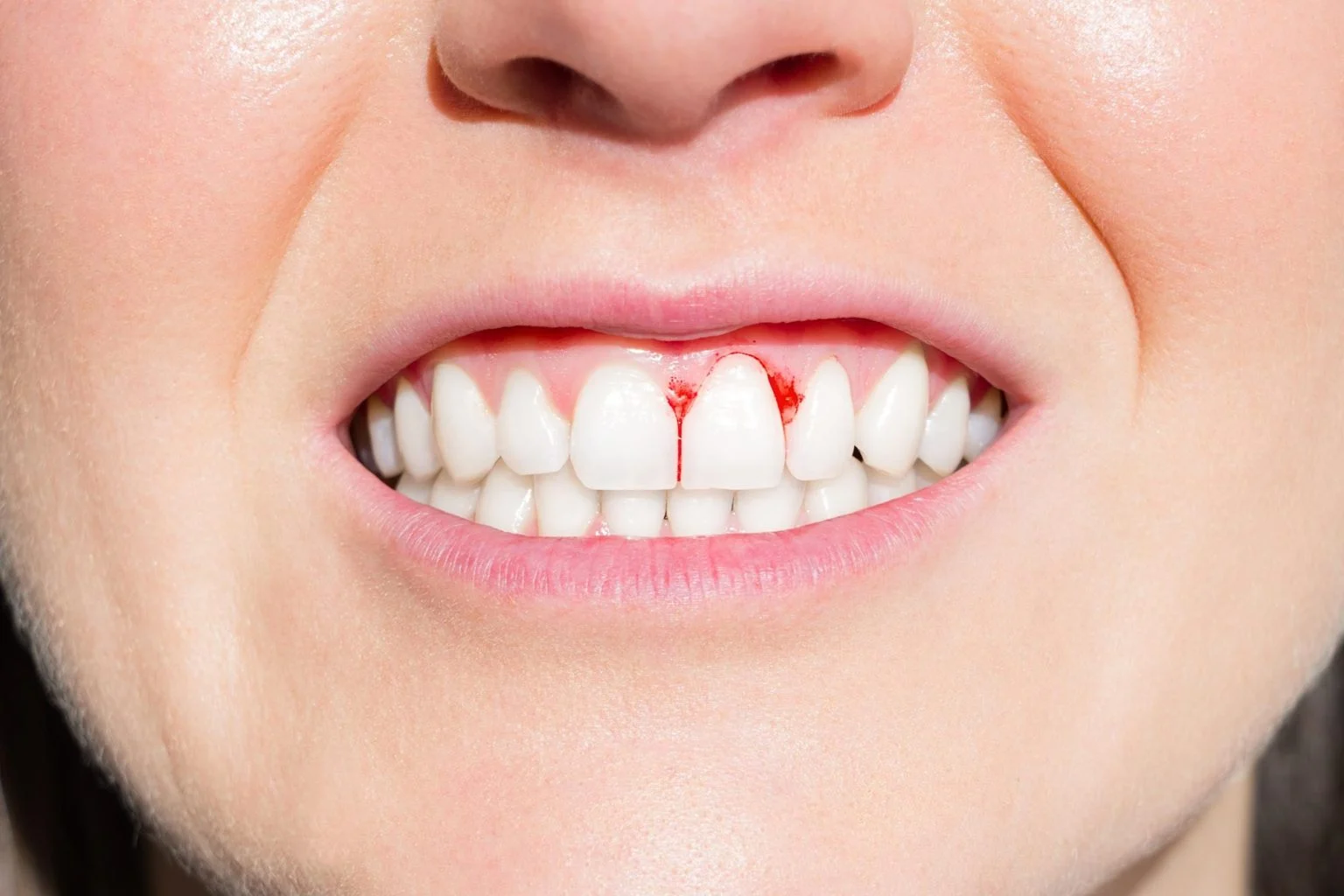
Gums may become swollen, tender, darkened, or prone to bleeding because weakened connective tissue offers less support to small blood vessels and teeth. Existing dental disease can make the change more noticeable.
Bleeding gums don’t automatically mean scurvy. Gingivitis, brushing too forcefully, blood-thinning medication, platelet disorders, and other medical problems can cause the same complaint.
When reviewing possible contributors, a food-pattern journal may help document whether meals regularly include fruit, vegetables, or fortified foods. The journal supplies context, not a diagnosis.
What Skin and Hair Changes Can Occur?
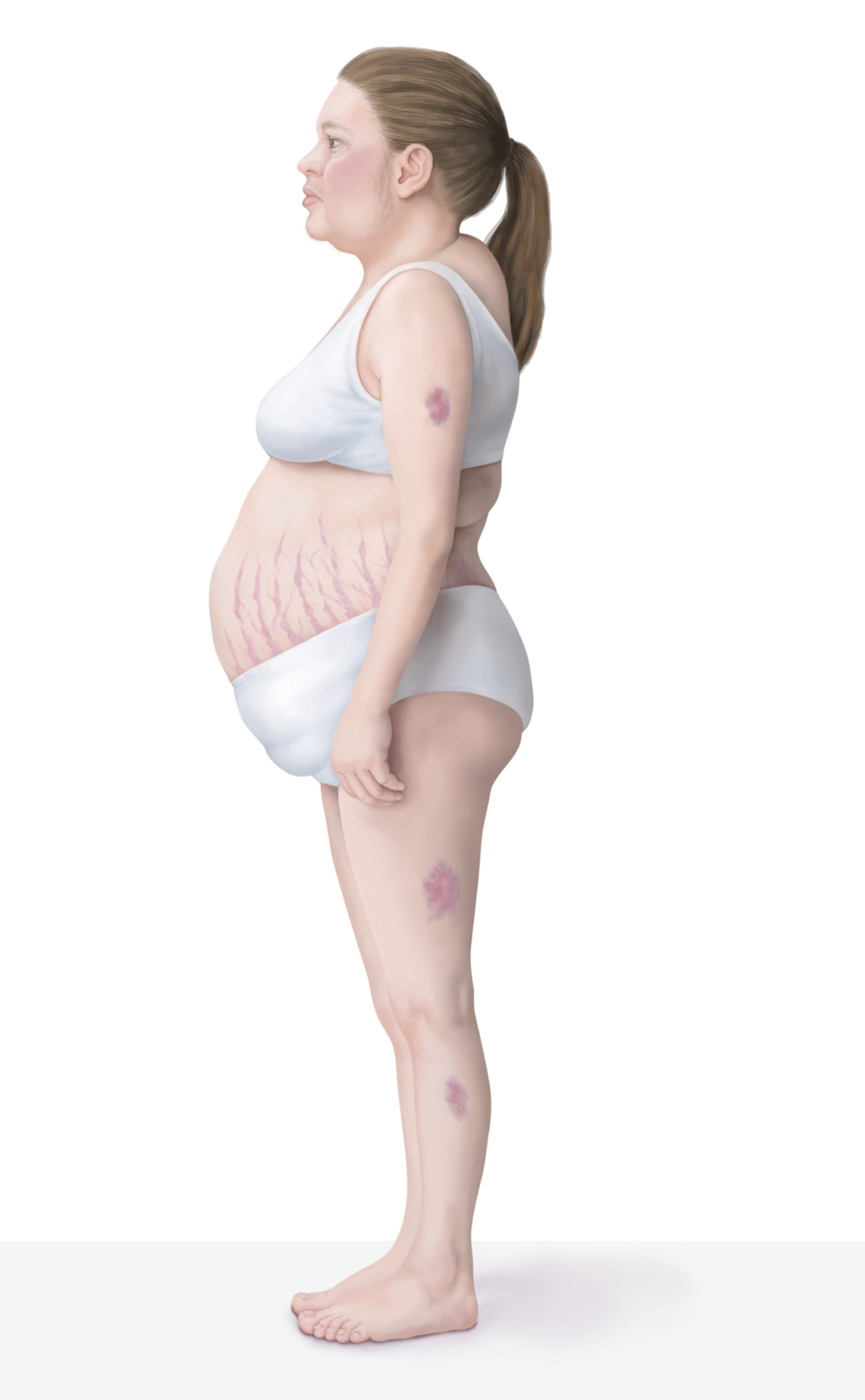
Small red, purple, or brown spots may form around hair follicles, especially on the legs. Bruises may appear after minimal pressure, and wounds may heal more slowly.
Hair can become twisted or corkscrew shaped. Skin may feel rough, and pain from bleeding around muscles or joints can make walking uncomfortable.
| Finding | Possible appearance | Why evaluation matters |
| Petechiae | Pinpoint red or purple dots | May have several causes |
| Easy bruising | Large marks after minor pressure | Can indicate bleeding problems |
| Corkscrew hairs | Curled or twisted body hairs | Classic but not always present |
| Poor healing | Wounds remain open longer | Raises infection concerns |
Who Is at Risk of Vitamin C Deficiency?
People who eat an extremely limited range of foods face greater risk. Examples include severe food insecurity, restrictive eating disorders, alcohol dependence, certain developmental or psychiatric conditions, and diets with almost no produce.
Smoking increases vitamin C needs, while intestinal malabsorption and some chronic illnesses can reduce nutritional status. Infants fed unsuitable milk preparations may also be vulnerable.
A caregiver might use a household nutrition record to notice repeated gaps across a week. Yet a clinician should investigate why the diet became limited and whether other deficiencies are present.
Mistakes That Can Delay the Right Diagnosis
One mistake is assuming every bleeding gum problem is caused by brushing technique. Another is deciding that taking a random multivitamin proves the cause without testing or examination.
Scurvy symptoms can overlap with blood disorders, medication effects, vasculitis, dental infection, liver disease, or physical injury. Heavy unexplained bruising deserves more than dietary guesswork.
It’s also risky to focus on one nutrient when the person has been eating poorly overall. A meal-support plan may improve organization, but treatment should address the underlying barrier, such as swallowing difficulty, food access, or restrictive eating.
Red Flags: When to Get Medical Help
Seek urgent medical attention for uncontrolled bleeding, vomiting blood, black stools, fainting, severe weakness, breathing difficulty, confusion, rapidly spreading bruising, or suspected internal bleeding. A child who refuses to walk because of pain also needs prompt assessment.
Contact a healthcare professional soon for persistent gum bleeding, numerous unexplained skin spots, loose teeth, poor wound healing, or a severely restricted diet. Don’t stop prescribed blood-thinning medication on your own, even when bruising or gum bleeding develops.
Frequently Asked Questions
How long does it take for scurvy to develop?
It usually follows very low vitamin C intake sustained over weeks or longer rather than missing fruit for a few days. Timing varies according to previous nutritional stores, health conditions, smoking, and overall diet.
Can someone have scurvy without bleeding gums?
Yes. Early deficiency may cause fatigue, weakness, pain, bruising, or skin changes before clear gum symptoms appear. Dental status can also affect how noticeable gum changes become.
Is scurvy diagnosed with a blood test?
Blood vitamin C testing may support the diagnosis, but clinicians also consider diet history, examination findings, other laboratory results, and whether symptoms improve with properly supervised treatment.
Act on Unexplained Bleeding and Dietary Restriction
Bleeding gums paired with easy bruising, slow healing, or a highly restricted diet shouldn’t be written off as ordinary dental trouble. Arrange medical and dental evaluation, document recent eating patterns, and disclose all medications. Correcting vitamin C deficiency is usually possible, but identifying why it developed protects against recurrence.
Medical disclaimer: This article provides general education and does not replace diagnosis or treatment from a qualified healthcare professional.