Smart Home Automation Ideas for Easy Living
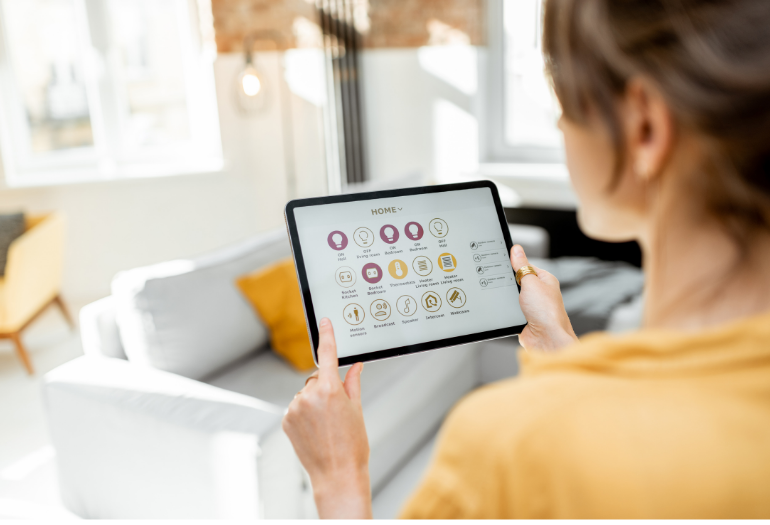
A home should not feel like another job waiting at the end of a long day. The best Home Automation Ideas make daily life calmer by removing tiny decisions that drain your attention before you even notice them. For many American households, the goal is not a flashy house that shows off every gadget. It is a home that turns on the porch light before you reach the driveway, lowers the thermostat before the energy bill climbs, and reminds you when the garage door stayed open after school pickup.
That matters because convenience is no longer a luxury feature. It is becoming part of how families manage time, safety, comfort, and rising utility costs. A good setup can help parents, renters, remote workers, older adults, and busy homeowners without making the house feel complicated. For brands, home service pros, and publishers covering smarter living, trusted digital visibility through modern online PR support can also help useful home technology advice reach the right readers.
The mistake is thinking automation means buying every device at once. The smarter move is building around real habits. Start with the places where life already feels clunky, then add tools that quietly fix those moments.
Smart Systems That Remove Daily Friction
The strongest smart home starts with boredom, not excitement. Look at the repetitive things you do every day without thinking: tapping switches, adjusting blinds, checking locks, hunting for remotes, turning off forgotten lights. Those small actions seem harmless until they pile up into household drag.
Routines That Run Before You Ask
A morning routine can do more than wake you up. In a typical suburban home in Ohio, a smart speaker might raise the bedroom lights at 6:30, start the coffee maker through a smart plug, adjust the thermostat, and read the day’s weather while the kids look for their shoes. Nothing about that feels futuristic. It feels like one less fight with the morning.
The best smart home routines work because they respect timing. You should not need to say five commands before breakfast. A single trigger, such as a phone alarm or a motion sensor in the hallway, can start a chain that matches your real rhythm. The trick is to keep routines short enough that they help instead of annoy.
Many people overbuild routines in the first week. They connect every lamp, speaker, plug, and shade, then get irritated when one part fails. A better rule is simple: automate one moment that already happens every day. Once that runs without drama for two weeks, add the next layer.
Voice Control That Solves Real Problems
Voice control gets mocked because people picture someone asking a speaker to do basic things they could do by hand. That misses the point. Voice control shines when your hands are full, your mobility is limited, or the switch is across the room at the worst possible moment.
A parent holding a baby can dim the nursery lights without crossing the room. Someone cooking dinner can set a timer, turn on under-cabinet lights, and add milk to the grocery list without touching a screen. An older homeowner can lock the front door from bed instead of walking downstairs to check.
The unexpected part is that voice control works best when you use fewer commands. Give devices plain names like “kitchen lights” or “front door,” not cute names nobody remembers. Smart homes should feel natural to the people living in them, not like a private language only one family member understands.
For readers building a larger home improvement content plan, an internal guide on smart home safety upgrades could pair well with this topic. Another useful companion would be a practical post about energy-saving home devices, since comfort and utility costs often overlap.
Comfort Automation That Makes the House Feel Thoughtful
Comfort is where automation becomes personal. Security may get the headlines, but temperature, lighting, air quality, and sound shape how a home feels hour by hour. A smart house should not only respond to commands. It should understand the mood of the room.
Lighting Scenes for Real Life, Not Showrooms
Smart lighting gets sold with dramatic color scenes, but most homes need something quieter. A family in Arizona may care more about warm evening light after harsh afternoon sun than a rainbow strip behind the TV. A New York apartment renter may need dimmable lamps because overhead lighting makes the room feel harsh after work.
Good lighting scenes match use, not decoration. A “dinner” scene might lower bright ceiling lights and leave the table area warm. A “homework” scene can brighten one corner without lighting the entire living room. A “late night” scene can turn hallway lights to a soft level so nobody gets blinded during a midnight trip to the kitchen.
The counterintuitive truth is that fewer lighting choices often feel more luxurious. Too many options turn comfort into work. Three or four scenes that match your daily life beat twenty color presets that nobody uses after the first weekend.
Climate Controls That Learn the House
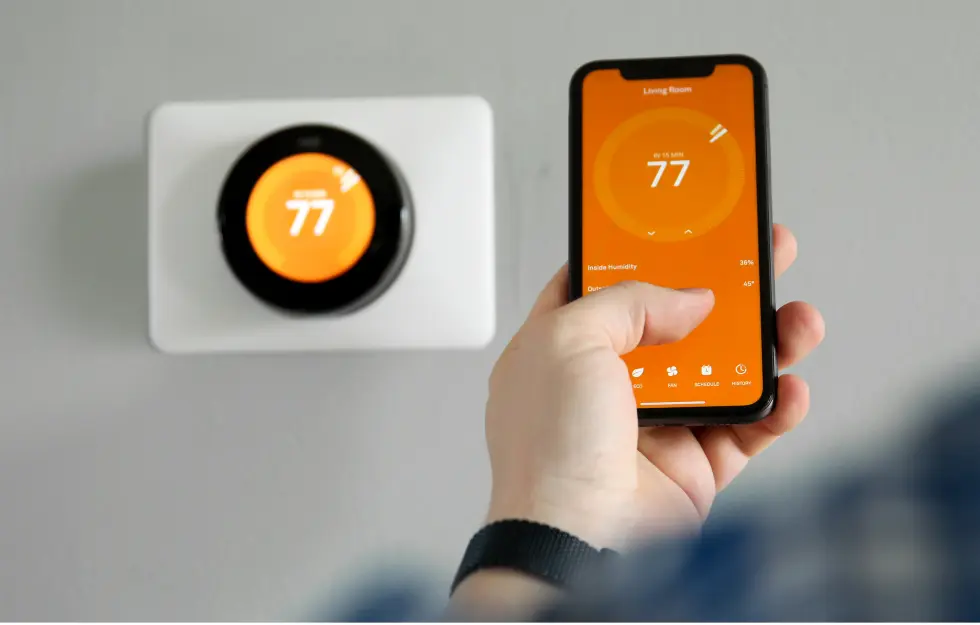
Smart thermostats are popular because they speak the language homeowners understand: comfort and bills. Yet the real win is not only saving energy. It is teaching the house to stop fighting your schedule.
A home in Minnesota may need heat ready before the first person walks into the kitchen. A Florida household may want cooling to ease down before everyone returns from work and school. In both cases, automation keeps comfort from becoming a constant manual adjustment.
Smart vents, ceiling fans, and temperature sensors can add more control, but they need restraint. A sensor in a sunny room may report a higher reading than the rest of the house. A basement may stay cold while upstairs feels warm. The system should solve those differences without turning the thermostat into a family argument.
A useful setup watches patterns, not moods. If everyone leaves by 8:15 each morning, let the system shift to away mode. If the living room heats up every afternoon, let blinds close before the sun bakes the space. Comfort feels best when nobody has to keep asking for it.
Safety Features That Work Quietly in the Background
Safety automation should feel calm, not paranoid. The goal is not to turn your home into a control room. It is to catch the ordinary risks people miss when life gets busy: unlocked doors, dark walkways, leaks under sinks, smoke alarms with low batteries, and strangers at the porch when nobody is near the front window.
Door, Lock, and Camera Habits That Reduce Worry
Smart locks make sense because front doors carry a lot of household stress. Did the teenager lock up after leaving? Did the dog walker get inside? Did the contractor need access while you were at work? A keypad or app-based lock can answer those questions without hiding a spare key under a planter.
A good lock setup uses named access codes. Give each person a code, then remove it when access ends. That works better than handing out copies of a house key that can disappear without a trace. For a rental property owner in Texas, this one change can save time between tenants and service visits.
Cameras need more judgment. Place them at entry points, driveways, and porches, not inside private family spaces. Smart doorbells help with deliveries and visitors, but constant notifications can train you to ignore alerts. Set zones carefully so passing cars or sidewalk traffic do not turn your phone into a noise machine.
The surprise is that better security often means fewer alerts. A system that cries wolf all day becomes useless by Friday. A quiet system that only tells you what matters earns trust.
Sensors That Catch Small Disasters Early
Water sensors may be the least glamorous smart devices in the house, yet they can be among the most useful. Put one near a water heater, under a kitchen sink, beside a washing machine, or near a sump pump. If a leak starts while you are at work, an early alert can prevent a repair bill that ruins the month.
Smoke and carbon monoxide detectors with smart alerts add another layer. A standard alarm helps the people inside the house. A connected alarm can also notify you when nobody is home. That matters for pet owners, frequent travelers, and families with older relatives living alone.
Motion sensors can support safety without feeling invasive. A hallway sensor can turn on low light at night. A sensor near the garage can remind you if movement happens after the house is set to sleep mode. For an aging parent, gentle activity alerts can show that the day has started normally without turning care into surveillance.
Safety works best when it protects dignity. The home should help people stay independent, not make them feel watched.
Energy and Maintenance Automation for Easier Ownership
Homeownership comes with a hidden tax: remembering everything. Filters need changing. Lights get left on. Appliances run at expensive times. Packages sit outside. The sprinkler runs after rain. Automation can shoulder part of that mental list, especially when it focuses on waste and upkeep.
Energy Rules That Save Without Making Life Miserable
Energy-saving automation fails when it makes people uncomfortable. Nobody wants a house that feels like it is punishing them for living there. Better savings come from small adjustments that happen around the edges.
Smart plugs can shut down entertainment centers, chargers, or office equipment at night. Occupancy sensors can turn off laundry room or basement lights after a set time. Smart blinds can block afternoon heat in summer and welcome sun in winter. These moves do not demand lifestyle sacrifice.
A family in California dealing with time-of-use electricity rates might schedule a dishwasher or EV charger for lower-cost hours. A homeowner in Georgia might run ceiling fans with the thermostat to feel cooler without dropping the temperature too far. The point is not to chase perfection. It is to remove waste that nobody wanted in the first place.
Here is the part people miss: energy automation works better when it stays invisible. If every saving action creates a notification, the system becomes another chore. Let the house handle the dull parts and only alert you when a decision needs a human.
Maintenance Reminders That Protect the Big Stuff
Smart homes are not only about devices talking to each other. Sometimes the most useful automation is a reminder at the right moment. HVAC filters, fridge water filters, smoke detector batteries, gutter checks, and seasonal sprinkler changes all protect bigger systems.
A shared home calendar can remind the household to replace filters every few months. A smart thermostat can track runtime and suggest filter changes based on usage. A garage sensor can remind you if the door stays open longer than ten minutes. These are not glamorous features, but they save money through boring consistency.
Maintenance automation also helps renters. A renter may not control the HVAC system, but smart plugs, leak sensors, and reminders can still protect belongings and reduce frustration. Apartment living benefits from automation that does not require drilling holes or rewiring walls.
A strong next-step resource could be a printable seasonal smart home checklist. It would give readers a practical tool they can save, share, or use before buying another device.
Choosing Devices That Fit Your Home Instead of Fighting It
Buying smart devices is easy. Building a system that still feels good six months later takes more care. The best setup fits your internet strength, budget, household habits, and tolerance for tinkering. A tech-loving homeowner may enjoy advanced scenes. A busy family may need simple buttons and dependable schedules.
Pick One Main Platform First
Most frustration starts when every device lives in a different app. One brand controls the lights, another controls the lock, another controls the thermostat, and another runs the camera. Soon the “smart” home needs a folder full of apps and one person who knows how everything works.
Pick a main platform before buying too much. Many U.S. households choose a voice assistant or phone-based home app as the central control point. The exact choice matters less than consistency. If a device does not work well with your main setup, skip it unless there is a strong reason.
This is where cheap devices can cost more than they save. A bargain plug that disconnects every week will drain patience. A camera with poor privacy controls is not a deal. A lock with weak battery life turns convenience into a new problem.
A smart purchase passes one test: can every adult in the home use it without calling the “tech person”? If not, the setup may be clever, but it is not household-ready.
Build in Layers, Not Hauls
The worst way to automate a home is to buy a cart full of devices in one burst. That creates setup fatigue, app clutter, and disappointment when the house does not suddenly feel easier. Better progress comes in layers.
Start with one zone. The entryway is a strong choice because it touches safety, lighting, locks, and daily arrivals. A smart lock, porch light schedule, doorbell camera, and entry lamp can change how coming home feels. After that, move to the bedroom, kitchen, or living room based on need.
Budget also behaves better in layers. You can test what your household uses before spending more. Maybe smart bulbs matter less than a thermostat. Maybe a leak sensor saves more worry than a speaker. Maybe the best device is a simple button near the bed that turns off every downstairs light.
Home Automation Ideas should make life feel lighter, not turn the house into a hobby you never meant to start. Choose one painful routine, fix it cleanly, and let the next upgrade prove it deserves a place. Start small this week, and build a home that gives time back instead of asking for more.
Frequently Asked Questions
What are the best smart home ideas for beginners?
Start with smart lighting, a video doorbell, a smart thermostat, and one or two smart plugs. These devices solve clear daily problems without major installation. They also help you learn how routines, schedules, and app controls work before adding locks, sensors, or cameras.
How much does basic home automation cost in the USA?
A simple setup can start around the cost of a few smart plugs and bulbs, while larger systems cost more with cameras, locks, thermostats, and sensors. The smartest budget approach is buying by need, not by trend. One useful device beats five ignored gadgets.
Can renters use smart home devices without changing wiring?
Renters can use smart plugs, smart bulbs, portable speakers, indoor cameras, battery door sensors, and some no-drill doorbell mounts. Always check the lease before adding locks or hardwired items. Focus on devices you can remove cleanly when moving.
Which smart home devices help lower energy bills?
Smart thermostats, smart plugs, occupancy sensors, smart blinds, and energy-monitoring outlets can reduce waste. The biggest savings usually come from heating, cooling, and devices left running when nobody uses them. Small changes matter more when they happen every day.
Are smart locks safe for family homes?
Smart locks can be safe when you choose a trusted model, use strong passwords, enable two-factor sign-in, and keep the app updated. Named access codes are helpful for kids, cleaners, dog walkers, and guests because you can remove access without changing the whole lock.
What internet speed do smart home devices need?
Most smart devices do not need huge speed, but they do need steady Wi-Fi. Cameras need more bandwidth than bulbs or plugs. A strong router, good coverage, and a separate guest network for visitors can make the whole system more stable.
How do smart home routines work?
Routines use triggers to start actions. A trigger can be time, motion, sunrise, sunset, voice command, location, or another device’s status. For example, unlocking the front door can turn on entry lights and adjust the thermostat at the same time.
What is the easiest room to automate first?
The entryway is often the easiest place to start because it affects daily life right away. A smart lock, porch light schedule, doorbell camera, and entry lamp can improve arrivals, deliveries, safety, and nighttime visibility without changing the whole house.