
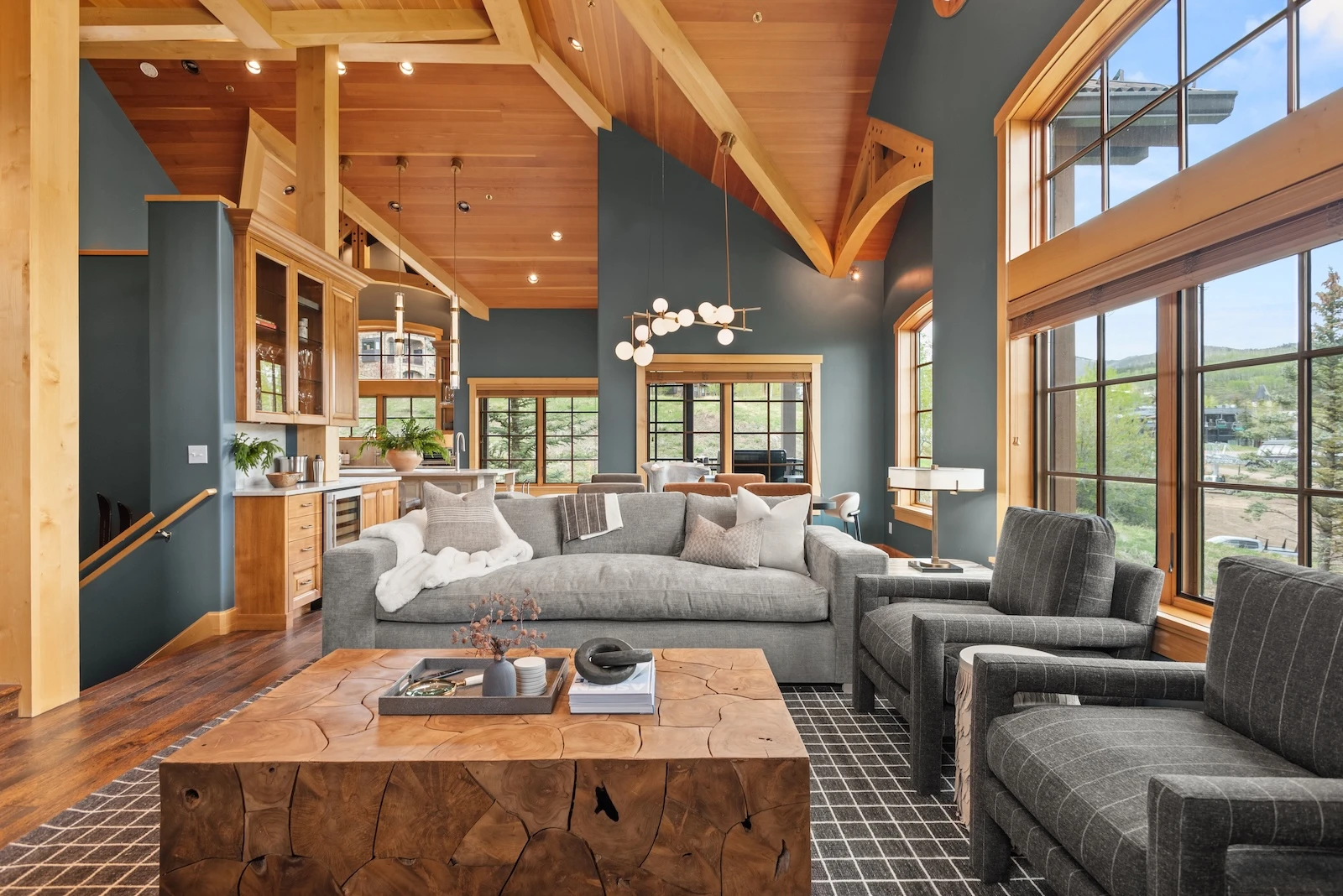
Smart Vacation Property Ideas for Passive Income
A vacation home can either become a quiet wealth builder or an expensive weekend fantasy with better furniture than math. The difference often starts before you buy, when you decide whether the place solves a real traveler problem or only looks good in photos. Smart vacation property ideas work best when they balance guest demand, local rules, seasonal swings, and the owner’s real life. In the U.S., that means thinking beyond beach condos and mountain cabins. A small lake house near a regional city, a pet-friendly cottage near wedding venues, or a work-ready condo near medical centers can all earn well when the numbers make sense. Owners also need visibility, and a trusted digital publishing and real estate promotion resource can help shape how a property story reaches the right audience. Passive income is not passive at the start. It becomes quieter after you build the right system, price honestly, and stop treating the property like a personal scrapbook.
Choosing a Market Before Choosing a House
The first mistake many buyers make is falling for the building before studying the area. Pretty homes are easy to find. Profitable locations are harder, because they depend on demand patterns you cannot decorate your way out of. A smart purchase starts with the people who will book the place, not the countertop finish you like.
Study Demand That Exists All Year
A town with one busy summer season can still work, but it needs stronger margins than a place with several booking reasons. Travelers come for weddings, youth sports, college visits, hospital stays, fishing weekends, ski trips, national parks, and family reunions. A property near three steady demand sources is usually safer than one near a single attraction.
Take a two-bedroom cabin near Gatlinburg, Tennessee. It may pull tourists for Smoky Mountains trips, but it also competes with thousands of similar rentals. A modest house near a college town in North Carolina may look less exciting, yet it can attract parents, visiting faculty, game-day guests, and short work stays. Less glamour can mean steadier bookings.
Short-term rental income depends on repeatable demand, not wishful thinking. You want proof that guests already visit the area and need places to stay. Hotel rates, event calendars, occupancy patterns, and local rental listings all tell a story. Listen to the story before your emotions start negotiating against your wallet.
Read Local Rules Like an Investor
A property can look perfect until the city council changes the rules. Many U.S. markets now limit short-term rentals through permits, zoning rules, occupancy caps, parking requirements, and tax registration. Some neighborhoods ban them through HOA rules even when the city allows them. That fine print can destroy a deal.
A buyer looking at a condo in Miami Beach, for example, should not assume every unit can be rented nightly. Some buildings allow only monthly stays. Some require board approval. Others block vacation rentals altogether. The listing photos will not warn you with a red flag, so your due diligence must.
A safer vacation rental investment starts with written confirmation. Call the city office. Read the zoning code. Check HOA documents. Ask about transfer rules if the current owner has a permit. The counterintuitive truth is simple: the boring legal step protects the exciting income plan.
Vacation Property Ideas That Fit Real Guest Behavior
A profitable property does not need to be huge, flashy, or packed with novelty items. It needs to match why guests travel. When the home fits a real use case, marketing gets easier and reviews become more specific. That is where the money starts to behave.
Build Around a Clear Traveler Type
Families want different things than couples. Remote workers want different things than bachelor parties. Traveling nurses want different things than weekend hikers. A property aimed at everyone often feels vague to everyone. Strong rentals feel built for a person the owner can describe in one sentence.
A lake cottage in Michigan might serve families with two kids, a dog, and a cooler full of groceries. That owner should care more about washable floors, safe steps, blackout curtains, bunk beds, and a grill than marble lamps. A stylish downtown studio in Austin may need fast Wi-Fi, a desk, walkable food, and easy rideshare access.
This is where many owners overdecorate and underthink. Guests remember whether the place made their trip easier. They do not care that the throw pillows matched the artwork if the coffee maker was cheap, the parking instructions were confusing, and the shower pressure felt like a threat.
Design for Use, Not Applause
Photos earn the click, but comfort earns the review. A property should photograph well, yet it must also survive luggage, sandy shoes, tired children, late arrivals, and guests who cannot find the light switch. Real design for rental property cash flow is practical design with a little charm added on top.
A beach condo in Florida needs hooks near the door, towel storage, durable seating, and a place for wet gear. A ski condo in Colorado needs boot trays, glove drying space, strong heat, and clear snow instructions. These details are not glamorous, but they prevent complaints before guests think to write them.
The unexpected move is to spend money on the invisible stuff first. Mattresses, locks, water pressure, Wi-Fi, climate control, and clear lighting matter more than most décor upgrades. Guests may not praise those features out loud, but they punish you when they fail.
Turning the Property Into a Quiet Operating System
Passive income only becomes calm when the property runs on repeatable systems. Owners who treat every booking like a new emergency burn out fast. The goal is not to remove all work. The goal is to remove avoidable decisions.
Create a Cleaning and Maintenance Rhythm
Cleaning is the backbone of short-term rental income. A great guest experience can collapse because of one missed hair in the bathroom or one sticky drawer in the kitchen. Good cleaners are not a cost to resent. They are part of the product.
Owners should build a turnover checklist that covers linens, restocking, damage photos, thermostat settings, trash, locks, outdoor areas, and supply levels. A cleaner should not need to guess whether batteries, soap, coffee filters, or towels are low. Guesswork is how small issues become public reviews.
Maintenance also needs a calendar. HVAC filters, pest service, gutter checks, appliance inspections, smoke detector batteries, and deep cleans should not wait for a guest complaint. The best owners fix problems before guests know problems were possible. That is not luck. That is a habit.
Price With Seasons Instead of Feelings
Many owners price emotionally because they remember what they paid for the property. Guests do not care about your mortgage, insurance bill, or renovation stress. They compare your place with nearby options on the dates they want to travel. Pricing must follow demand, not pride.
A second home strategy works better when rates move with the calendar. Holiday weekends, local festivals, sports tournaments, summer breaks, and ski weeks deserve different pricing from slow Tuesdays in shoulder season. Empty nights have a cost, but underpriced peak nights have a cost too.
The mistake is thinking occupancy alone means success. A property booked every night at weak rates can earn less than a property booked fewer nights at smarter rates. Revenue management sounds dry, but it decides whether the home builds wealth or becomes a stressful hobby with nicer sheets.
Protecting Profit While Building Long-Term Value
A vacation rental should make money today without damaging tomorrow’s resale value. That balance matters because markets shift. Regulations change. Guest tastes move. Your property should have more than one path to value.
Keep the Home Useful Beyond Short Stays
A property with only one income use is fragile. If short-term rental rules tighten, you need other options. Mid-term stays, seasonal leases, personal use, or long-term rental demand can protect you from being trapped. Flexibility is not boring. It is survival.
A furnished two-bedroom near a major hospital in Phoenix may attract vacation guests in winter, but it could also serve traveling nurses or relocating professionals. A cabin near Asheville could work for weekend travelers, yet also appeal to remote workers staying for a month. The strongest homes have more than one buyer or renter story.
Vacation rental investment should never depend on one perfect outcome. Build a property that can pivot. That means practical layouts, strong internet, decent storage, safe parking, and a location with local life beyond tourism. When a home can serve real people in several ways, risk starts to shrink.
Track Cash Flow Like a Business Owner
Owners sometimes celebrate gross revenue while ignoring the slow leaks. Platform fees, lodging taxes, utilities, repairs, cleaning gaps, supplies, insurance, permits, furniture replacement, credit card fees, lawn care, snow removal, and vacancy all matter. Gross income is a headline. Net income is the truth.
A simple monthly profit sheet can change your decisions fast. Track income, every expense, occupancy, average nightly rate, cleaning costs, maintenance, and owner time. Patterns will appear. Maybe the hot tub drives bookings but eats repairs. Maybe pet fees cover extra cleaning and widen demand. Maybe one slow month needs a monthly-stay offer.
Rental property cash flow improves when owners stop guessing. Numbers do not remove the human side of hosting, but they keep the business honest. The best insight may feel harsh: a property you love can still be a poor investment if the math keeps saying no.
The next wave of rental ownership will reward people who think smaller, sharper, and more locally. Big promises are easy to sell, but durable income comes from matching a specific home to a specific guest need in a rule-friendly market. Owners who win will not chase every trend. They will build clean systems, protect their downside, and keep improving the guest experience without turning the property into a money pit. Smart Vacation Property Ideas should start with discipline, not décor. Run the numbers, check the rules, define the guest, and build operations before you fall in love with the view. Your next step is simple: choose one target market, study ten comparable rentals, and write down what your property would do better before you spend a dollar.
Frequently Asked Questions
What are the best vacation property ideas for beginners?
Start with properties near steady demand sources, such as lakes, colleges, hospitals, national parks, wedding venues, or family-friendly beach towns. Beginners usually do better with simple layouts, clear rules, easy maintenance, and locations that support more than one rental strategy.
How much money can a vacation rental make each month?
Monthly income depends on location, nightly rate, occupancy, season, expenses, and local taxes. A strong property can earn healthy revenue, but net profit may be much lower after cleaning, repairs, platform fees, insurance, utilities, and vacancy are counted.
Is a beach house a good passive income property?
A beach house can work well when demand is strong and local rules support rentals. The risk is seasonality, storm exposure, higher insurance, salt-air damage, and heavy competition. The best beach properties earn enough during peak months to cover slower periods.
What should I check before buying a short-term rental?
Check zoning, permit rules, HOA restrictions, lodging taxes, insurance needs, comparable rental income, cleaning availability, parking, safety requirements, and year-round demand. Never rely only on the seller’s income claims. Verify the numbers through local research and rental platforms.
How do I make my vacation rental stand out?
Focus on a specific guest type and solve their real problems better than nearby listings. Strong photos help, but comfort, clean design, fast Wi-Fi, clear instructions, easy parking, good beds, and thoughtful supplies often drive stronger reviews.
Are cabins better than condos for rental income?
Cabins often attract families and nature travelers, while condos can work well in walkable tourist areas. Neither is automatically better. The stronger choice depends on local demand, fees, maintenance needs, guest expectations, and rental restrictions in that exact market.
Can I use a second home as a vacation rental?
Many owners use a second home part-time and rent it when they are away. This works best when personal use does not block peak income dates. Financing, insurance, taxes, and local rental rules should be reviewed before you plan around guest income.
What expenses do vacation property owners forget?
Owners often forget furniture replacement, deep cleaning, permit renewals, higher utility use, guest supplies, landscaping, pest control, emergency repairs, payment fees, tax filing help, and vacancy. These smaller costs can quietly reduce profit if they are not tracked every month.