Sickle Cell Anemia Symptoms – Painful Crisis Episodes Explained Simply
Sickle cell anemia symptoms commonly include episodes of intense pain, ongoing anemia, tiredness, jaundice, and swelling of the hands or feet. Symptoms differ widely between individuals and can change over time. Chest pain, fever, breathing difficulty, or stroke-like symptoms require immediate medical help.
What Happens During a Sickle Cell Pain Crisis?
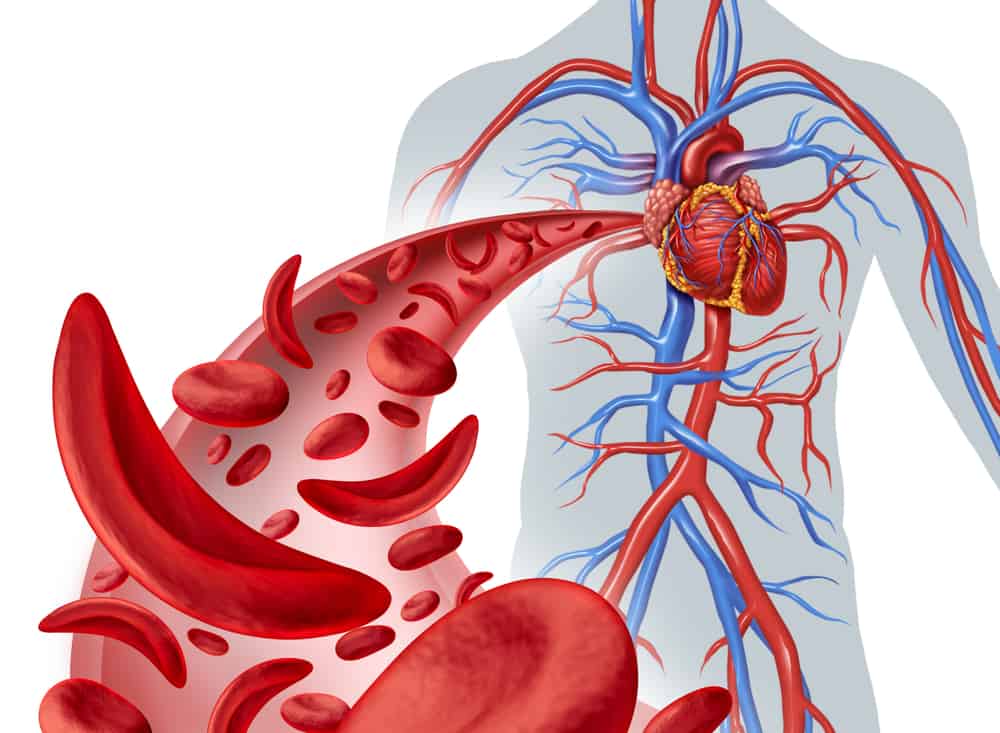
A pain crisis occurs when rigid, sickled red blood cells interfere with blood flow through small blood vessels.
The pain may feel sharp, stabbing, throbbing, or deeply aching. It can affect the back, chest, abdomen, arms, legs, or several areas at once. Some episodes last for hours, while others continue longer and require hospital treatment. A crisis may begin without a clear warning.
| Symptom | What it may reflect | Appropriate response |
| Sudden bone or joint pain | Restricted blood flow | Follow the individual care plan |
| Chest pain with fever | Possible acute chest syndrome | Seek emergency treatment |
| One-sided weakness | Possible stroke | Call emergency services |
| Swollen hands or feet | Dactylitis, often in children | Contact the care team |
Keeping a pain episode journal can help document location, duration, possible triggers, and treatments used. Its limitation is that it cannot determine why a particular episode occurred.
Why Does Sickle Cell Anemia Cause Tiredness?
Sickled red blood cells break down earlier than healthy red blood cells, contributing to chronic anemia.
With fewer functioning red blood cells available to transport oxygen, a person may experience tiredness, weakness, shortness of breath, dizziness, headaches, or reduced exercise tolerance. Yellowing of the skin or whites of the eyes may develop as red blood cells break down.
Infants and young children may become unusually fussy or develop painful swelling in their hands and feet. Symptoms often begin during the first year of life, although their timing and severity differ.
Which Symptoms Can Affect Daily Life?
Chronic pain, fatigue, interrupted sleep, medical appointments, and unpredictable crises can affect school, employment, exercise, and family plans.
A student may need rest breaks after an illness. An employee may have difficulty completing physical tasks during a period of worsening anemia. Thoughtful school or workplace planning can reduce avoidable pressure, but accommodations must reflect the individual’s medical needs.
Some people also experience vision problems, joint damage, leg ulcers, kidney complications, or recurring infections. These complications aren’t inevitable, but regular specialist care is essential because changes can develop before they become obvious.
Can Pain Episodes Be Prevented?
Not every episode can be prevented, but an individualized care plan may reduce avoidable risks and speed up treatment.
General prevention guidance includes staying adequately hydrated, avoiding extreme temperatures, receiving recommended vaccinations, attending routine screenings, and following prescribed treatment. These steps have limitations: even excellent self-care cannot prevent every crisis.
Practical preparation matters too. People sometimes carry water, prescribed medication instructions, emergency contacts, and comfortable layered clothing when temperature changes are expected. Clothing does not treat sickle cell disease, but avoiding sudden temperature extremes may be part of a broader care strategy.
The National Heart, Lung, and Blood Institute explains current approaches to living with sickle cell disease, including pain planning and routine monitoring.
Mistakes That Can Make a Crisis Harder
Waiting too long to follow an established pain plan can allow symptoms to become harder to control.
Another mistake is treating every pain episode as identical. Chest pain, severe abdominal pain, breathing difficulty, fever, neurological changes, or an unwanted prolonged erection may indicate a complication rather than a routine crisis.
People may also feel pressured to “push through” severe pain because previous episodes improved at home. That approach can be dangerous when the current symptoms are different. And borrowing another person’s medication or changing prescribed treatment without medical advice can create additional risks.
Red Flags: When to Get Urgent Help
Seek emergency care for chest pain, coughing, fever, or difficulty breathing because these can indicate acute chest syndrome. Sudden facial drooping, one-sided weakness, numbness, severe headache, confusion, vision changes, or speech difficulty may indicate a stroke.
Urgent assessment is also needed for severe pain that cannot be managed with the person’s established plan, marked abdominal swelling, extreme paleness, fainting, or a prolonged unwanted erection. Fever should be taken seriously because people with sickle cell disease have an increased risk of severe infection.
Frequently Asked Questions
Is sickle cell anemia the same as sickle cell disease?
Sickle cell disease is a group of inherited blood disorders. Sickle cell anemia commonly refers to HbSS, one form of the disease, although people sometimes use the terms interchangeably.
Can someone have pain between major crises?
Yes. Some people experience chronic or recurring pain between acute crises. Persistent pain should be discussed with the care team because it may require a different management approach.
Are all sickle cell crises triggered by dehydration?
No. Dehydration can increase risk, but episodes may also occur with illness, temperature extremes, low oxygen exposure, or no obvious trigger at all.
Build an Emergency Plan Before Pain Starts
Work with the treating team to create written instructions for ordinary pain episodes and emergencies. Keep contact details and relevant medical information accessible. When chest symptoms, fever, neurological changes, or uncontrolled pain occur, seek urgent help rather than waiting for the episode to pass.
This information is educational and does not replace individualized advice from a hematology or emergency-care professional.