
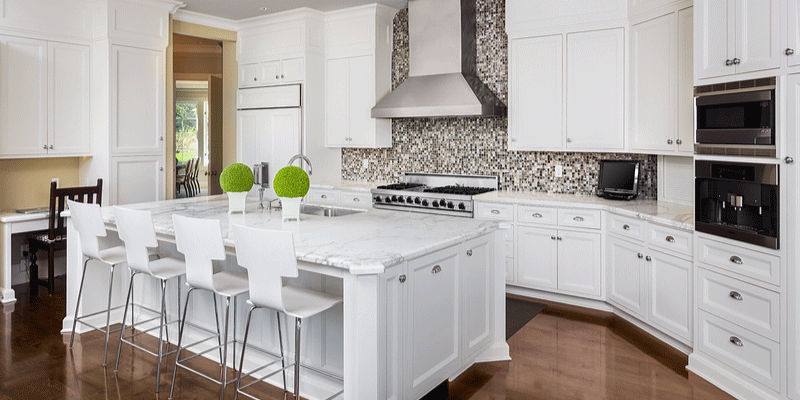
Elegant Kitchen Island Ideas for Better Function
A beautiful island can make a kitchen feel calm, useful, and ready for real life. For many American homes, an elegant kitchen island is not about showing off; it is about making breakfast smoother, dinner prep cleaner, and family traffic less chaotic. The best islands earn their space every single day.
A kitchen works harder than almost any room in the house. It catches backpacks, groceries, coffee mugs, mail, homework, and half-finished conversations. That is why thoughtful planning matters more than copying a showroom photo. A good island gives you a landing spot, a prep zone, a storage wall, and sometimes a casual dining table without making the room feel crowded.
If you care about practical home upgrades, design planning, and better everyday living, resources like home improvement insights can help connect style choices with real household needs. The right island should feel natural in your routine, not like a fancy obstacle parked in the middle of the floor.
Planning Kitchen Island Ideas Around Real Daily Movement
A kitchen island starts with movement, not marble. The shape, size, and placement only work when people can walk, cook, clean, and talk without bumping elbows. In many U.S. homes, the biggest mistake is choosing an island because it looks impressive, then discovering it blocks the dishwasher, fridge, or pantry door.
Why Clearance Matters More Than Size
A large island can ruin a kitchen faster than a small one if the walking space is wrong. You need enough room for cabinet doors, appliance doors, stools, and people moving through at the same time. A family in a suburban Ohio home, for example, may need space for two kids grabbing snacks while one parent unloads groceries and another cooks near the range.
A smaller island with clean clearance often feels richer than a massive one squeezed into the room. The counter may look modest on paper, but the kitchen feels easier because nothing fights your body. That is the part many design photos hide.
Good clearance also protects the mood of the room. When someone has to step sideways every time the dishwasher opens, the island starts to feel annoying. Beauty fades fast when the layout keeps picking small fights with you.
How Traffic Paths Shape Better Function
Every kitchen has invisible roads. One path runs from the fridge to the sink. Another runs from the stove to the prep area. Another belongs to guests who want coffee without entering the cooking zone. A smart island respects those paths instead of cutting across them.
In an open-plan American home, the island often becomes the border between the kitchen and living room. That border should guide people gently. Guests can sit on one side, while the cook works on the other. Nobody needs to stand in front of a hot pan to join the conversation.
A counterintuitive truth helps here: the island does not always need to sit in the exact center. Off-centering it by a few inches can save the room. When the walking path feels natural, the eye forgives asymmetry because the body already understands the space.
Designing Storage That Looks Calm Instead of Crowded
Once the island sits in the right place, storage becomes the next quiet test. A beautiful kitchen can still feel messy if the island stores the wrong things. The goal is not to pack every inch with cabinets. The goal is to give everyday items a home where your hand expects to find them.
Smart Drawers for Kitchen Storage Solutions
Deep drawers often beat standard cabinets because they bring items to you. Pots, mixing bowls, baking sheets, and small appliances are easier to reach when they slide out instead of hiding in the back. This is where kitchen storage solutions should feel simple, not clever for the sake of being clever.
A family that cooks weeknight meals may use one island drawer for cutting boards, one for food containers, and one for lunch supplies. That setup saves steps every morning. It also keeps clutter away from the main counter, which makes the whole kitchen feel more controlled.
Open shelves can look charming, but they demand honesty. If your household is busy, shelves may turn into a display of mismatched mugs and snack bags. Closed drawers hide real life better, and there is no shame in that.
Hidden Zones for Small Appliances
Small appliances create visual noise when they live on the counter full time. A toaster, blender, air fryer, and coffee grinder can make even a new kitchen feel tired. An island can solve that problem when it includes planned storage for the tools you use often but do not want to stare at all day.
A lift-up shelf, deep cabinet, or pull-out tray can hold a heavy mixer near the prep zone. In a Texas kitchen where weekend baking is part of family life, that one detail can save sore wrists and messy counters. The island becomes useful because it meets a habit, not because it follows a trend.
The unexpected move is leaving one cabinet less packed than you think you should. Empty space feels wasteful at first, but it gives the kitchen room to adapt. Groceries, holiday trays, school supplies, and future appliances need breathing room too.
Choosing Seating, Surfaces, and Lighting With Purpose
A kitchen island often becomes the most social place in the home. People lean there even when chairs exist nearby. That makes seating, surface choice, and lighting more than decoration. They decide whether the island feels welcoming or awkward.
Comfortable Kitchen Island Seating for Real Homes
Kitchen island seating should match how people sit, not how stools look online. Backless stools tuck away neatly, but they may not work for long breakfasts or homework sessions. Stools with backs take more room, yet they support real use.
A good overhang matters. Knees need space, especially for adults who will sit longer than five minutes. In many American homes, the island doubles as a weekday breakfast table, a laptop station, and a place where guests drink iced tea while dinner finishes. Cramped seating makes all of that feel temporary.
Spacing between stools matters as much as the stool style. Four seats squeezed into a space made for three will always feel cheap, even if the stools are expensive. Fewer seats with comfort often look more elegant because the room feels relaxed.
Surface Materials That Handle Daily Life
Countertop choice should begin with honesty about your household. Marble has character, but it can stain and etch. Quartz handles busy routines with less drama. Butcher block brings warmth, though it asks for care. Stone, wood, and engineered surfaces each tell a different story.
A New Jersey family that cooks tomato sauce every Sunday may regret a delicate surface faster than someone who mainly uses the island for coffee and takeout. The right material is not the most expensive one. It is the one that can age with your habits.
Lighting finishes the whole setup. Pendant lights should brighten the work surface without blocking sightlines. Oversized fixtures can look dramatic, but they may make the ceiling feel lower. Sometimes the better choice is quieter lighting that lets the island itself carry the room.
Blending Style With a Modern Kitchen Layout
Function makes the island useful, but style makes it feel like it belongs. The island should connect with cabinets, floors, hardware, and nearby living spaces. A strong modern kitchen layout does not mean cold or plain. It means every design choice has a reason.
Matching the Island to the Room’s Character
An island can match the perimeter cabinets, but it does not have to. A soft contrast can make the room feel designed without looking staged. Navy, warm gray, white oak, and deep green all work well in many American kitchens when the rest of the room supports them.
The trick is restraint. If the island has a bold color, the hardware, lighting, and countertop should not all compete for attention. One star is enough. Too many statement pieces turn the kitchen into a showroom argument.
Older homes need extra care. A 1920s bungalow in Chicago may look strange with a glossy waterfall island that belongs in a luxury condo. A bridge detail helps, such as classic hardware, warmer wood, or a softer edge profile. The island should update the room without erasing its memory.
Why Small Kitchen Island Choices Can Feel High-End
A small kitchen island can still feel polished when it solves one clear problem. It may offer extra prep space, a trash pull-out, two stools, or a narrow storage base. It does not need to do everything.
This is where many homeowners get surprised. A compact island with excellent proportions can feel more expensive than a large island packed with features. The eye reads balance before it reads square footage.
A rolling island can also work in apartments, condos, and smaller homes. It gives flexibility without permanent commitment. For renters or first-time homeowners, that may be the smartest step before spending on built-in cabinetry.
The best elegant kitchen island never asks the room to serve the design. It serves the room first. Start with your daily patterns, then choose the shape, storage, seating, materials, and lighting that support them. That order keeps the project grounded.
A kitchen island should make your home easier to live in, not harder to maintain. When the design respects movement, hides clutter, welcomes people, and fits the architecture, it becomes more than a counter in the middle of the room. It becomes the place where the house quietly works better.
Choose one problem your kitchen creates every day, then build your island plan around solving that problem first.
Frequently Asked Questions
What are the best kitchen island ideas for small homes?
Choose a narrow island, rolling cart, or compact built-in with one main purpose. Extra prep space, storage drawers, or two-seat dining can make a small kitchen work better. Avoid oversized designs that block walking paths or make appliance doors hard to open.
How much space do you need around a kitchen island?
Most kitchens need enough walking room for people, cabinet doors, and appliances to move freely. Tight clearance can make the island frustrating, even when it looks good. Always measure fridge, oven, dishwasher, and stool space before choosing the island size.
What is the best countertop for a busy kitchen island?
Quartz is a strong choice for busy homes because it handles stains and daily cleaning well. Butcher block adds warmth but needs care. Marble looks classic, yet it can mark easily. The best surface depends on how your family cooks, cleans, and gathers.
Can kitchen island seating replace a dining table?
It can work for casual meals, quick breakfasts, and small households. A dining table still feels better for longer meals, holidays, and larger groups. Many homes use both, with the island handling daily routines and the table reserved for slower meals.
Are waterfall kitchen islands still popular?
Waterfall islands still appear in many modern kitchens, especially open layouts. They work best when the room has clean lines and enough space. In traditional homes, a softer edge or furniture-style island may feel more natural and less forced.
What storage should go inside a kitchen island?
Store items connected to the island’s main job. Prep islands need cutting boards, knives, mixing bowls, and trash pull-outs. Seating islands may need napkins, placemats, or snack storage. Avoid filling the island with random overflow that should live elsewhere.
How do you make a kitchen island look more elegant?
Focus on proportion, lighting, hardware, and clean surfaces. A balanced island with comfortable seating often looks better than one packed with extras. Keep clutter low, choose materials that fit the home, and let one design feature stand out clearly.
Is a built-in island better than a movable island?
A built-in island feels permanent and can include plumbing, electrical outlets, storage, and seating. A movable island costs less and works well in smaller spaces or rental homes. The better choice depends on budget, kitchen size, and how much flexibility you need.