Hypertension Symptoms – Silent Killer Signs To Watch
Hypertension symptoms are usually absent, which is why regular blood pressure measurement matters. Headache, dizziness, flushing, or nosebleeds aren’t dependable screening signs. Very high readings combined with chest pain, shortness of breath, weakness, vision change, or speech difficulty can signal an emergency.
Why are hypertension symptoms often absent?
Because hypertension symptoms are often missing, most people with high blood pressure feel normal, even when the condition has been present for years. The pressure inside the arteries can rise without creating a sensation you can identify. Symptoms are therefore a poor detection tool; a properly taken blood pressure reading is the practical way to know.
This is why the phrase “silent killer” is used. Hypertension can increase strain on the heart, brain, kidneys, eyes, and blood vessels before obvious illness appears. Feeling energetic doesn’t prove that systolic and diastolic pressure are in a healthy range.
I’ve seen people treat a headache-free week as reassurance, but the logic is backwards. Blood pressure should be checked because symptoms may be absent, not only when someone feels unwell. Routine checks are especially sensible when family history or other cardiovascular risks are present.
What signs may occur when pressure is dangerously high?
Dangerously high blood pressure may occur with chest pain, shortness of breath, back pain, numbness, weakness, vision changes, or trouble speaking. These symptoms don’t prove hypertension caused the problem, but they require immediate attention when paired with a repeated reading above 180/120 mm Hg.
A severe headache or confusion can also be concerning, particularly when the onset is sudden. The key is not to spend time deciding which organ might be affected. A 30-second scenario makes the decision clearer: the monitor reads 186/124, you wait one minute, repeat it, and the number remains high while chest pressure begins. That’s an emergency response, not a routine appointment.
| Situation | What it may indicate | Action |
| Normal feeling, repeated high readings | Possible silent hypertension | Arrange clinical follow-up |
| One unexpected high reading | Technique, stress, or true elevation | Rest and repeat correctly |
| Above 180/120 without new symptoms | Severe hypertension | Contact a clinician immediately |
| Above 180/120 with warning symptoms | Hypertensive emergency | Call emergency services |
How should you measure blood pressure at home?
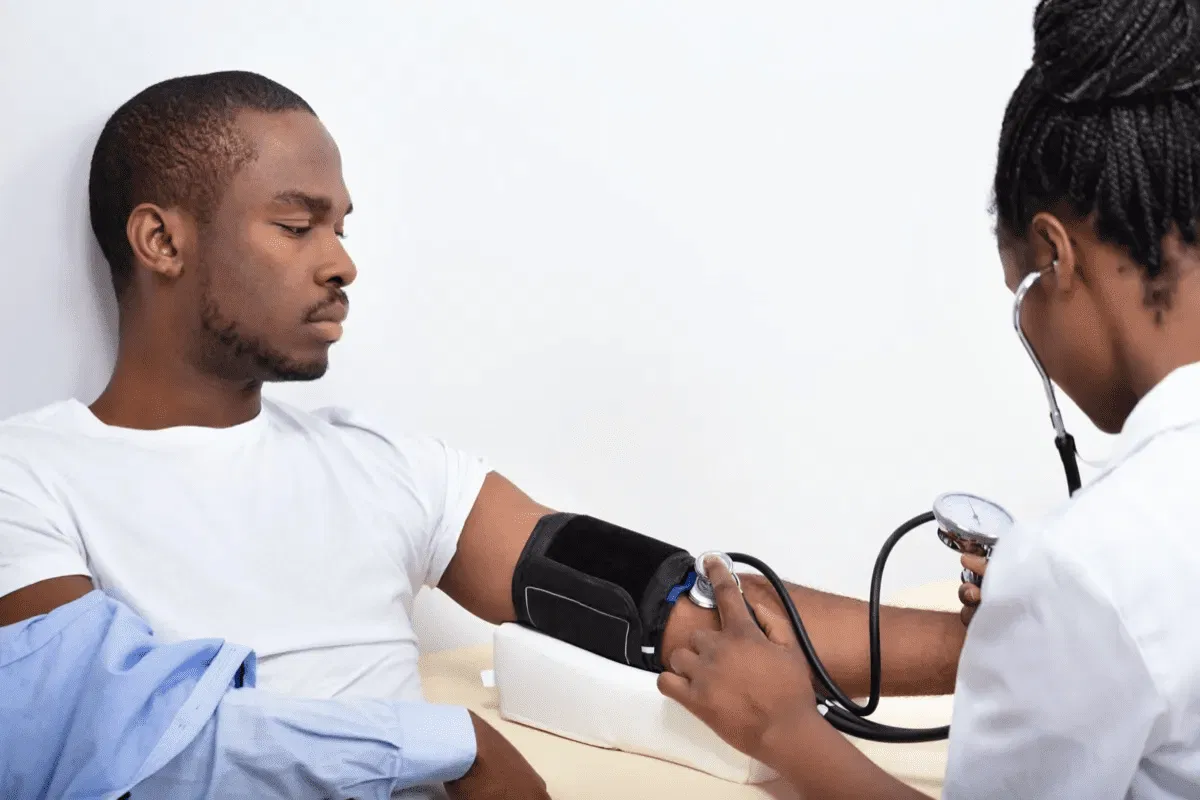
Use a validated upper-arm cuff of the correct size, sit quietly for about five minutes, support your back and feet, and keep the cuffed arm at heart level. Avoid talking during the reading. Take measurements at consistent times and record the numbers for your clinician.
Caffeine, exercise, smoking, a full bladder, pain, anxiety, and poor positioning can temporarily affect a reading. So can a cuff that is too small. One reading is a snapshot; a pattern across several properly taken readings is more informative unless the number is severely high or symptoms are present.
The American Heart Association describes normal blood pressure as below 120/80 mm Hg and provides categories for higher readings. A clinician should interpret your pattern and decide whether lifestyle changes, medication, or further evaluation are appropriate.
Where people misread the warning signs
The common mistake is trying to “feel” blood pressure or waiting for hypertension symptoms. Headaches, sweating, anxiety, and facial warmth are common experiences with many causes, and their absence says little about the reading. The second mistake is checking immediately after climbing stairs, arguing, or drinking strong coffee, then treating the number as a diagnosis.
Another failure point is stopping prescribed medicine because readings improve. Improved numbers may show the plan is working. Medication changes belong with the prescribing clinician because abrupt changes can create risk. The firm rule is simple: symptoms don’t replace measurements, and measurements don’t replace clinical interpretation.
When should you get urgent medical help?
Hypertension symptoms such as chest pain or weakness change the urgency. If a blood pressure reading is above 180/120 mm Hg, wait at least one minute and repeat it. Call emergency services when the repeated reading remains that high and you have chest pain, shortness of breath, back pain, numbness, weakness, vision changes, difficulty speaking, confusion, or another new concerning symptom. Don’t drive yourself if you may be having a stroke or heart emergency. Without those symptoms, contact a healthcare professional immediately for instructions rather than ignoring the result.
Build a seven-day reading record
Take your monitor to your next appointment so its fit and accuracy can be checked. Record the date, time, reading, pulse, medicines taken, and anything unusual. A short, consistent log gives your clinician better evidence than a memory of scattered numbers.
This article is for general information and does not replace professional medical advice.
Can anxiety cause high blood pressure readings?
Anxiety can temporarily raise a reading through the body’s stress response. That doesn’t mean repeated elevation should be dismissed as “only anxiety.” Home measurements taken under calm, consistent conditions can help a clinician compare situational spikes with a continuing pattern.
Does a headache mean blood pressure is high?
Not reliably. Most hypertension has no obvious symptoms, and headaches are common for many unrelated reasons. A headache should be assessed on its own features, while blood pressure should be measured correctly. Sudden severe headache with neurological symptoms needs urgent evaluation.
Can you have hypertension with a normal pulse?
Yes. Blood pressure and pulse measure different things: arterial pressure versus heart rate. A person can have a normal resting pulse and high blood pressure. Both values offer useful information, but neither can be inferred accurately from the other.