Tuberculosis Symptoms – Persistent Cough You Shouldn’t Ignore
Tuberculosis symptoms commonly include a cough lasting three weeks or longer, chest pain, coughing up blood or phlegm, fever, night sweats, fatigue, appetite loss, and unexplained weight loss. Inactive tuberculosis causes no symptoms, while active TB disease can make a person ill and may spread through the air when it affects the lungs or throat.
A lingering cough doesn’t automatically mean tuberculosis. Still, the combination of duration, exposure history, and whole-body symptoms should never be brushed aside.
Which Symptoms Suggest Active Pulmonary TB?
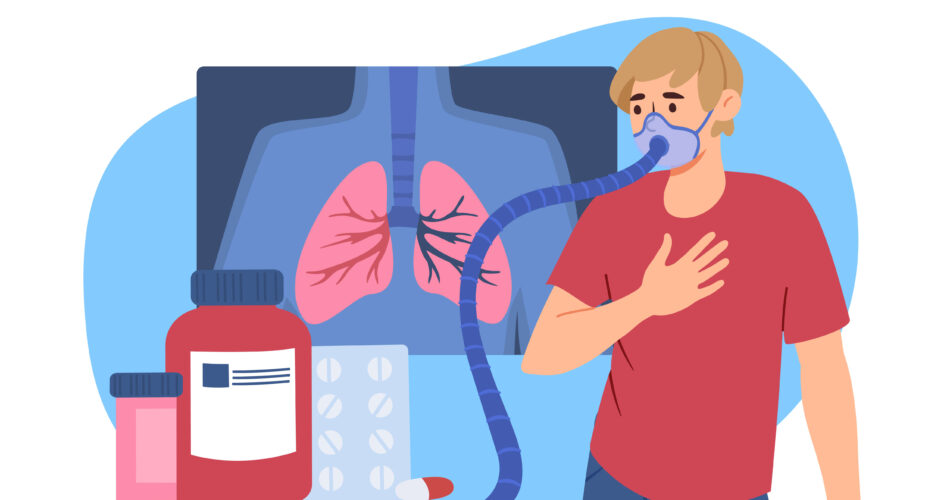
Pulmonary TB affects the lungs and often causes a prolonged cough. The cough may produce phlegm and, in some cases, blood. Chest pain and shortness of breath can also occur.
TB can also affect the entire body. Fever, chills, drenching night sweats, weakness, poor appetite, and weight loss may develop gradually. That slow progression is one reason people sometimes adapt to the symptoms rather than recognizing how much their health has changed.
| Symptom | Typical Pattern | Reason for Concern |
| Cough | Often lasts at least three weeks | Needs evaluation when persistent |
| Night sweats | May soak clothing or bedding | Suggests systemic illness |
| Weight loss | Unplanned and progressive | May accompany active disease |
| Blood in sputum | Streaks or larger amounts | Requires prompt medical care |
General browsing about cough and throat care cannot determine whether a persistent cough comes from TB, asthma, reflux, infection, or another cause. Testing matters when the history raises concern.
What Is the Difference Between Inactive and Active TB?
Inactive TB, also called latent TB infection, does not cause symptoms and cannot be spread to others. However, the bacteria remain in the body and can later develop into active TB disease without appropriate preventive treatment.
Active TB disease means the germs are multiplying and causing illness. When active disease involves the lungs or throat, germs may enter the air when an infected person coughs, speaks, or sings. Indoor spaces with poor air circulation increase the chance of transmission.
This distinction is firm: feeling healthy doesn’t rule out inactive infection. A blood test or skin test is needed to identify TB infection.
When Should a Long-Lasting Cough Raise Suspicion?
A cough lasting three weeks or longer deserves medical evaluation, especially when combined with fever, night sweats, fatigue, weight loss, chest pain, or known exposure to someone with TB.
Risk also depends on where someone has lived, worked, traveled, or received healthcare. Shared indoor environments and prolonged close contact matter more than brief outdoor contact.
A person may separately research tonsil-area symptoms, but visible throat debris or irritation doesn’t explain unexplained weight loss or persistent night sweats. Don’t force several symptoms into the first harmless explanation you find.
Mistakes That Can Delay TB Diagnosis
One mistake is treating each symptom as unrelated. Someone may blame fatigue on work, weight loss on stress, and coughing on allergies. Together, those changes may form a more concerning pattern.
Another mistake is assuming TB no longer occurs in modern cities. TB remains a real infectious disease, and testing is especially important after recognized exposure or when symptoms fit active disease.
Keep possible exposure dates, housing conditions, workplace details, and travel information separate from routine appointment and travel logistics. A clear timeline helps the healthcare team decide which tests are appropriate.
RED FLAGS: When to Get Help Quickly
Seek urgent care for coughing up more than small streaks of blood, severe breathlessness, fainting, confusion, intense chest pain, or rapidly worsening weakness. A persistent cough accompanied by fever, night sweats, or weight loss should be assessed promptly rather than managed indefinitely at home.
Tell the clinic before arrival when active TB is suspected. This allows staff to use appropriate infection-control steps and protect other patients.
How Do Healthcare Professionals Test for TB?
Testing may begin with a TB blood test or skin test. These tests can show TB infection, but more evaluation is needed to determine whether the infection is inactive or has become active disease.
When symptoms or test results suggest active TB, clinicians may order a chest X-ray and collect sputum for laboratory examination. The CDC’s tuberculosis guidance explains the difference between inactive infection and active disease.
Can tuberculosis symptoms come and go?
Some symptoms may fluctuate, but active TB usually causes a pattern that persists or gradually worsens. Temporary improvement doesn’t reliably exclude the disease.
Is every three-week cough tuberculosis?
No. Asthma, reflux, smoking-related irritation, post-viral coughing, and other conditions can cause long-lasting coughs. Three weeks is a reason for evaluation, not proof of TB.
Can someone spread TB without feeling sick?
People with inactive TB don’t spread the bacteria. Transmission is associated with active TB disease involving the lungs or throat, although individual infectiousness varies.
Arrange Testing Instead of Guessing
Write down how long you’ve been coughing, whether you’ve lost weight, and whether fever or night sweats are present. Mention possible exposure and recent travel when seeking care. Tuberculosis symptoms may develop quietly, but a clear history and timely testing can identify the problem. Make a medical appointment rather than waiting for the cough to disappear on its own.
This article provides general education and does not replace diagnosis or treatment from a qualified healthcare professional.