COVID-19 Symptoms – Current Signs You Should Know
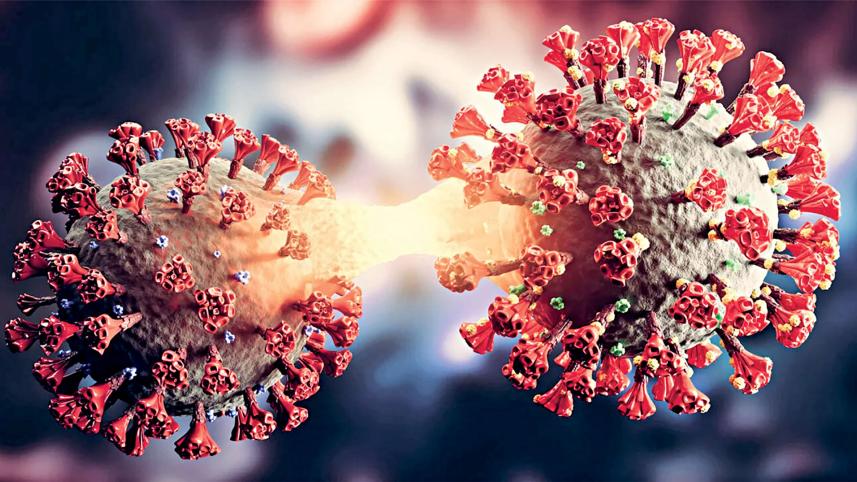
Current COVID-19 symptoms can include cough, fever, sore throat, congestion, fatigue, headache, body aches, breathing difficulty, nausea, vomiting, or diarrhea. Loss of taste or smell remains possible but isn’t present in every case. Because symptoms overlap with flu and colds, testing may be more informative than guessing.
What COVID-19 Symptoms Are Being Reported?
The symptom range remains broad. The CDC lists fever or chills, cough, shortness of breath, sore throat, congestion, runny nose, fatigue, muscle aches, headache, nausea, vomiting, diarrhea, and a new loss of taste or smell among possible signs.
Symptoms may differ with circulating variants, vaccination status, previous infections, age, and underlying health. The CDC’s February 2026 clinical information also identifies fever, cough, shortness of breath, fatigue, headache, and muscle pain as common presentations, with digestive symptoms occurring in some patients.
The CDC COVID-19 symptom page should be treated as a living reference because the agency notes that symptom patterns may change as variants emerge.
Can You Distinguish COVID-19 From Flu or a Cold?
Not reliably from symptoms alone. COVID-19, influenza, RSV, and common-cold viruses can all cause cough, congestion, sore throat, fever, headache, and fatigue.
| Symptom pattern | Possible explanation | Limitation |
| Sudden aches and fever | Flu or COVID-19 | Considerable overlap |
| Congestion and sore throat | Cold or COVID-19 | Testing may be needed |
| Loss of taste or smell | Possible COVID-19 | Not present in every case |
| Digestive symptoms | COVID-19 or another illness | Not specific |
The safest approach is to consider recent exposure, local circulation, and test results rather than relying on one “signature” symptom. This is especially relevant before attending gatherings discovered through city information hubs.
When Does Testing Make Sense?
Testing can help when you have compatible symptoms, a known exposure, plans to be around a vulnerable person, or a need to discuss treatment. A negative home antigen result early in the illness may not settle the question, so follow current test instructions and healthcare guidance.
People at increased risk of severe COVID-19 should contact a healthcare professional promptly after symptoms begin. Some prescription treatments must be started within a limited number of days, and a clinician must review eligibility, medication interactions, and other safety factors.
Testing also helps with practical decisions. You may decide to postpone appointments located through local service directories until you understand whether you could expose other people.
What Does a Typical Recovery Look Like?
Some people have a short, mild illness. Others experience a longer cough, reduced stamina, headaches, sleep disturbance, altered smell, or difficulty concentrating. The early symptom list cannot predict exactly how quickly any individual will recover.
Rest, fluids, and a gradual return to activity may support recovery from mild illness, but they aren’t substitutes for medical assessment. A person who becomes dizzy after walking across a room or increasingly breathless shouldn’t push through exercise.
Plans involving community noticeboards can be rescheduled. I’d rather see someone miss one activity than force a quick return and feel worse the following day.
Mistakes That Can Increase Risk
One mistake is assuming a mild first day guarantees a mild course. Another is dismissing symptoms because a previous infection felt different. Variant changes, immunity, age, and health conditions can alter the experience.
Don’t take leftover antibiotics for suspected COVID-19. Antibiotics don’t treat SARS-CoV-2, and unnecessary use can cause side effects. Avoid combining multiple cold products without checking their active ingredients, since accidental duplication can occur.
A single negative test can also create false confidence when performed too early. Follow the test manufacturer’s directions and current public-health advice.
Red Flags: When Should You Get Medical Help?
Seek emergency care for trouble breathing, persistent chest pain or pressure, new confusion, inability to wake or remain awake, or pale, gray, or blue-colored lips, skin, or nail beds. Any severe or rapidly worsening symptom warrants urgent assessment.
Contact a healthcare professional early if you are older, pregnant, immunocompromised, or have chronic heart, lung, kidney, neurological, or metabolic disease. Early contact matters because time-sensitive treatments may be available for eligible patients.
Frequently Asked Questions
Is loss of smell still a COVID-19 symptom?
Yes, a new loss of taste or smell remains a recognized possible symptom. However, many people with COVID-19 don’t experience it, and congestion from other infections can also temporarily affect smell.
Can COVID-19 cause only stomach symptoms?
COVID-19 can cause nausea, vomiting, or diarrhea, sometimes with limited respiratory symptoms. Digestive symptoms have many possible causes, so testing and clinical context may be necessary.
Does a mild cough mean COVID-19 is harmless?
No. Many cases remain mild, but initial cough severity doesn’t perfectly predict progression. Monitor breathing, hydration, alertness, and any worsening symptoms, especially when risk factors are present.
Act Early, Not Anxiously
When compatible symptoms develop, reduce close contact, test according to current guidance, and monitor your condition. People at higher risk should contact a healthcare professional promptly rather than waiting for severe symptoms. Fast action is useful; panic and symptom guessing are not.
This article provides general health information and does not replace evaluation or treatment from a qualified healthcare professional.