Hyperthyroidism Symptoms – Racing Heart And Sudden Weight Loss
Hyperthyroidism symptoms can include a racing or irregular heartbeat, unexplained weight loss, increased sweating, shaky hands, anxiety, muscle weakness, frequent bowel movements, and difficulty sleeping. These changes occur when the thyroid releases more hormone than the body needs, but testing is required because several heart, metabolic, and anxiety conditions can feel similar.
What Does an Overactive Thyroid Feel Like?
Many people describe hyperthyroidism as feeling physically “speeded up.” The heart may beat faster, the hands can tremble, and ordinary temperatures may suddenly feel uncomfortable.
Common signs include:
- Weight loss despite a normal or larger appetite
- Rapid or irregular heartbeat
- Nervousness, irritability, or restlessness
- Trouble sleeping
- Hand tremors
- Muscle weakness
- Increased sweating
- Heat intolerance
- More frequent bowel movements
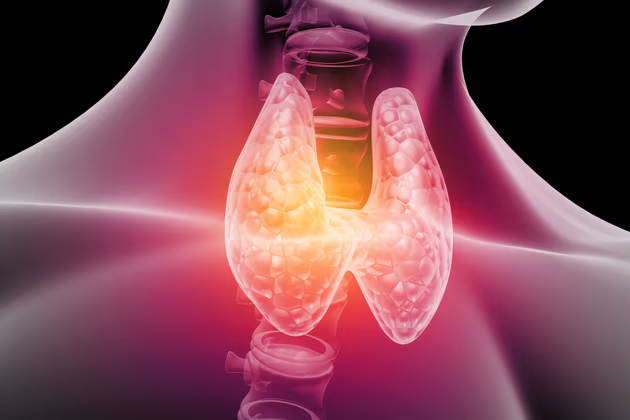
- Neck swelling caused by an enlarged thyroid
The National Institute of Diabetes and Digestive and Kidney Diseases explains that symptoms vary and may develop gradually or appear more suddenly.
Keeping simple thyroid symptom tracking notes can reveal whether palpitations occur at rest, after caffeine, during exercise, or throughout the day. That information is more useful than a vague statement that your heart sometimes feels fast.
Why Can Hyperthyroidism Cause Sudden Weight Loss?
The direct answer is that excess thyroid hormone can increase the rate at which the body uses energy. Some people lose weight even while eating more, although weight loss isn’t universal.
| Symptom Pattern | Typical Experience | Possible Alternative |
| Fast heartbeat | Pounding or fluttering chest | Arrhythmia, anxiety, caffeine |
| Weight loss | Falling weight without trying | Diabetes, digestive disease |
| Heat intolerance | Sweating in mild temperatures | Menopause, medication effects |
| Tremor | Fine shaking in the hands | Stimulants, low blood sugar |
Muscle tissue may also weaken, especially around the shoulders and thighs. Someone might notice difficulty climbing stairs, rising from a chair, or carrying groceries despite not having an obvious injury.
General lifestyle changes and heart rate observations can support the evaluation, but they don’t establish the cause. Persistent resting palpitations deserve medical attention rather than being automatically blamed on stress.
What Other Signs Can Appear?
Some people develop a visibly enlarged thyroid, called a goiter. Menstrual periods may become lighter or less frequent, and fertility can be affected.
Graves’ disease is a common cause of hyperthyroidism and can sometimes affect the eyes. Symptoms may include eye irritation, puffiness, light sensitivity, pressure, bulging, or double vision.
Older adults may show a less obvious pattern. Instead of pronounced shaking and restlessness, they may experience weakness, fatigue, appetite changes, heart rhythm problems, or unexplained weight loss.
A cycle change checklist may help people who menstruate identify whether lighter periods began alongside sweating, insomnia, tremors, or weight changes. Still, cycle changes alone aren’t enough to identify thyroid disease.
How Is Hyperthyroidism Evaluated?
Clinicians usually begin with a medical history, physical examination, and blood testing. TSH is often low when the thyroid is overactive, while free T4, T3, or both may be elevated.
Further testing may be needed to determine the cause. Depending on the situation, this can include thyroid antibody tests, imaging, or tests that examine how the thyroid takes up iodine.
Bring a complete list of medications and supplements. Biotin, which is found in some hair and nail products, can interfere with certain laboratory tests, so your clinician may provide specific instructions before blood is drawn.
Mistakes That Can Delay Proper Care
One mistake is assuming every racing heartbeat is an anxiety attack. Anxiety can cause palpitations, but so can thyroid disease, anemia, medication effects, dehydration, infection, and abnormal heart rhythms.
Another error is trying to correct suspected hyperthyroidism by avoiding all dietary iodine. The causes of an overactive thyroid differ, and extreme dietary restrictions may not treat the underlying problem.
Don’t stop prescribed thyroid medication or heart medication because symptoms improve. Treatment changes should be guided by follow-up testing and the clinician managing your condition.
Red Flags and When to Get Help
Seek urgent medical care for chest pain, fainting, severe shortness of breath, a sustained very rapid or irregular heartbeat, sudden confusion, high fever, severe agitation, or repeated vomiting. In someone with uncontrolled hyperthyroidism, a dangerous escalation known as thyroid storm is possible, although uncommon. New eye pain, sudden visual changes, or an inability to close the eyelids properly also needs prompt assessment. Pregnant people with suspected hyperthyroidism should contact a healthcare professional quickly.
Frequently Asked Questions
Can hyperthyroidism cause fatigue despite speeding up the body?
Yes. Constant stimulation can disrupt sleep, weaken muscles, and place extra demand on the cardiovascular system. A person may feel restless and exhausted at the same time.
Does a racing heart always mean hyperthyroidism?
No. Palpitations have many causes, including anxiety, caffeine, anemia, dehydration, medications, and heart rhythm disorders. Thyroid blood tests help determine whether excess thyroid hormone is involved.
Can hyperthyroidism symptoms come and go?
They may fluctuate, particularly early in the condition or when inflammation temporarily releases thyroid hormone. Recurrent symptoms still deserve evaluation because symptom-free periods don’t rule out thyroid disease.
Act Before the Symptoms Escalate
Unexplained weight loss combined with palpitations, sweating, tremors, or insomnia should prompt a medical review. Record your resting pulse and symptom timing, then discuss thyroid testing with a clinician. Early evaluation matters because untreated disease can strain the heart, muscles, and bones.
This information is educational and does not replace diagnosis or treatment from a qualified healthcare professional.