Lupus Symptoms – Butterfly Rash And Hidden Signs
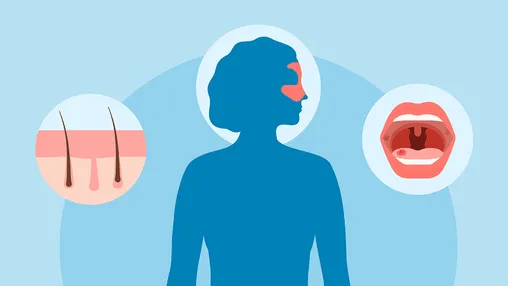
Lupus symptoms can include a butterfly-shaped facial rash, joint pain, morning stiffness, fatigue, fever, sun sensitivity, hair loss, and painless mouth or nose sores. Because lupus may affect several parts of the body and symptoms can come and go, the complete pattern matters more than any single sign.
What Are the Most Recognizable Lupus Symptoms?
Lupus is a long-term autoimmune disease in which the immune system attacks healthy tissues. Inflammation may affect the skin, joints, blood cells, kidneys, heart, lungs, or nervous system, although no two people necessarily experience the same combination.
The malar rash is one of the best-known signs. It spreads across the cheeks and bridge of the nose, creating a shape compared with butterfly wings. Yet many people with lupus never develop this exact rash, so its absence does not rule out the disease.
A flare pattern journal can capture symptoms that seem unrelated at first, such as joint stiffness followed days later by fatigue, mouth sores, or skin changes.
Which Hidden Signs Are Easy to Overlook?
Fatigue can be profound, but it is also nonspecific. People may initially blame poor sleep, work pressure, anemia, or a recent infection. Recurring fevers, swollen joints, unexplained hair loss, and painless sores inside the mouth or nose deserve attention when they appear together.
Sunlight may trigger or worsen skin symptoms in some people. Keep sun-exposure notes describing how long you were outside, what protection you used, and whether a rash or fatigue appeared afterward.
Some manifestations occur internally and cannot be identified from appearance alone. Kidney involvement, for example, may require urine and blood testing. Chest discomfort or shortness of breath can have many causes and needs clinical assessment rather than online interpretation.
| Symptom Area | Possible Lupus Pattern | Useful Detail |
| Skin | Facial, scaly, or sun-triggered rash | Photos and exposure timing |
| Joints | Pain, swelling, morning stiffness | Joints involved |
| General | Fatigue, fever, appetite changes | Frequency and duration |
| Mouth or hair | Painless sores or hair loss | New versus recurring |
How Do Clinicians Investigate Possible Lupus?
There is no single test that diagnoses every case of lupus. Evaluation may include medical history, examination, blood tests, urine tests, and sometimes tissue testing or imaging, depending on the organs involved.
The clinician will consider whether symptoms appear across different body systems and whether another condition could explain them. Autoantibody results may support the assessment, but abnormal antibodies can occur without active lupus and must be interpreted in context.
Bring an appointment question list rather than relying on memory. Ask which findings point toward lupus, which alternatives are being considered, whether organ screening is needed, and what changes should prompt urgent care.
Where Self-Diagnosis Commonly Goes Wrong
A facial rash alone is not enough to identify lupus. Rosacea, contact reactions, sunburn, and other skin conditions may affect the cheeks and nose. Likewise, fatigue and joint pain occur in many illnesses.
The opposite mistake is dismissing symptoms because they change from one week to another. Lupus symptoms may fluctuate, and an appointment scheduled on a better day can fail to show what happened earlier. Photographs and dated notes can bridge that gap.
Avoid beginning restrictive diets or unproven remedies based solely on online claims. Such approaches may carry costs, medication interactions, or nutritional limitations, and they cannot substitute for assessment of possible kidney, heart, lung, or blood involvement.
Red Flags: When to Get Medical Help
Seek prompt medical care for new chest pain, breathing difficulty, significant leg swelling, blood in the urine, markedly reduced urination, severe headache, fainting, confusion, or sudden weakness. These problems have several possible causes, some of which need urgent treatment.
A high fever with severe illness, a rapidly spreading rash, or signs of infection also require prompt attention. People already receiving immune-suppressing treatment should follow the specific infection and emergency instructions provided by their medical team.
Frequently Asked Questions
Does everyone with lupus develop a butterfly rash?
No. The malar rash is strongly associated with lupus, but symptoms vary widely. Some people develop different skin rashes, and others have joint, blood, kidney, or general symptoms without the classic facial pattern.
Can lupus symptoms disappear between flares?
Symptoms can improve, worsen, or change over time. A period with fewer symptoms does not establish that lupus is absent or fully inactive, so ongoing monitoring may still be necessary.
Is lupus contagious?
No. Lupus is an autoimmune disease, not an infection that spreads between people. Its development appears to involve a combination of immune, genetic, hormonal, and environmental factors.
Connect the Symptoms Before Your Appointment
Don’t focus on finding one perfect lupus sign. Document the relationship between skin changes, sunlight, joint symptoms, fever, fatigue, sores, and hair loss, then take that record to a clinician. The NIAMS lupus overview offers dependable background information for preparing your questions.
This information is educational and does not replace diagnosis or treatment from a qualified healthcare professional.