Breast Cancer Symptoms – Lumps And Changes To Check
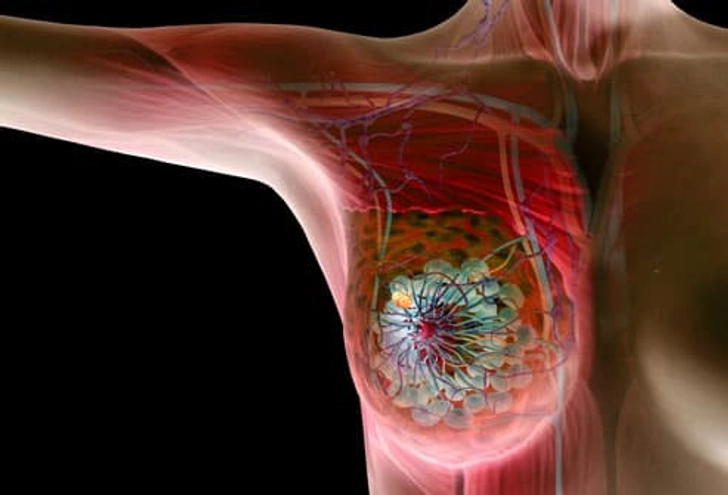
Breast cancer symptoms may include a new lump, thickened tissue, underarm swelling, nipple discharge, nipple inversion, skin dimpling, redness, scaling, or a change in breast shape. Early breast cancer can also cause no noticeable symptoms, which is why routine screening remains important.
Most breast changes aren’t cancer. But a new or persistent change should be examined rather than diagnosed by touch, appearance, or an internet search.
What Breast Cancer Symptoms Should You Look For?
A lump may feel firm, thick, or different from the surrounding tissue, but there is no single texture that identifies cancer. Changes may occur in the breast, near it, or under the arm. Some cancers produce visible skin or nipple changes without an obvious lump.
The National Cancer Institute’s breast symptom guide advises discussing unusual changes with a doctor, even though most breast changes have noncancerous causes.
| Change | What it may look or feel like | Appropriate response |
| Lump or thickening | New firm or fuller area | Arrange a clinical examination |
| Nipple change | Flattening, inversion, or discharge | Report a new unexplained change |
| Skin change | Dimpling, scaling, swelling, or redness | Seek assessment if it persists |
| Shape difference | New asymmetry or enlargement | Compare with your normal baseline |
Checking your breasts means noticing what is normal for you. It doesn’t require a complicated inspection schedule or aggressive pressing, which may leave the area sore and create more uncertainty.
Can Breast Cancer Appear Without a Lump?
Yes. Skin swelling, warmth, redness, heaviness, rapid enlargement, or an orange-peel texture may occur in inflammatory breast cancer, which often doesn’t form a typical lump. A nipple that newly turns inward or lymph-node swelling near the collarbone or armpit may also require evaluation.
People sometimes concentrate so heavily on lumps that they overlook visible changes. Sensible personal protection planning has its place in daily life, but it shouldn’t distract from arranging an appointment when a breast suddenly looks or feels different.
Nipple discharge should be reported when it occurs without squeezing, especially if it is bloody, clear, or coming from one side. Discharge has many noncancerous causes, so examination is meant to identify the explanation, not assume the worst.
What Happens During a Breast Evaluation?
A clinician may ask when the change began, whether it varies with your menstrual cycle, whether you’re pregnant or breastfeeding, and whether you have a personal or family history of breast or ovarian cancer. They will usually examine both breasts and nearby lymph-node areas.
Further evaluation may involve diagnostic mammography, ultrasound, or other imaging. A biopsy is used when tissue must be examined to determine whether abnormal cells are present. Physical examination and imaging can identify suspicious areas, but tissue analysis may be needed for a definitive diagnosis.
Mention relevant household health awareness details only when they affect the history, such as a recent injury or medication change. Avoid spending the appointment presenting theories. A clear timeline is usually more useful.
Where Do Self-Checks Go Wrong?
The biggest mistake is trying to decide whether a lump is harmless based on pain. Both cancerous and noncancerous changes can be painless, and pain doesn’t provide a reliable answer.
Another problem is checking so often that every temporary hormonal change becomes alarming. Breasts can naturally feel different across the menstrual cycle, during pregnancy, while breastfeeding, and around menopause. The goal is familiarity, not constant surveillance.
Bring written appointment notes if you tend to forget details under stress. Record the side, location, duration, and associated changes. But don’t photograph or measure a suspicious change for months while waiting for certainty. Professional evaluation should come first.
Red Flags and When to Get Help
Arrange prompt medical care for a new breast or underarm lump, spontaneous nipple discharge, nipple inversion, persistent skin dimpling, unexplained swelling, or a rapid change in breast size or appearance. These signs do not automatically mean cancer, but they need assessment.
Seek urgent care if breast changes occur with high fever, rapidly spreading redness, severe pain, or significant illness, particularly during breastfeeding. Infection may require timely treatment. Also contact a clinician promptly if a breast change continues after an antibiotic course or was previously dismissed but is progressing.
Frequently Asked Questions
Are breast cancer lumps always hard and painless?
No. Breast lumps vary in texture, mobility, and tenderness. You can’t reliably determine the cause by touch, so a new lump should be clinically evaluated.
Can men develop breast cancer symptoms?
Yes. Anyone with breast tissue can develop breast cancer. A lump, nipple discharge, inversion, or skin change in a man should be reported rather than ignored.
Does breast pain mean cancer?
Breast pain alone is commonly associated with noncancerous conditions. Persistent, localized, unexplained pain still deserves discussion, especially when accompanied by a lump, discharge, swelling, or skin changes.
Book the Examination and Get a Clear Answer
A breast change is a reason to seek information, not a reason to assume a diagnosis. Contact your healthcare provider, describe exactly what changed, and ask whether clinical examination or diagnostic imaging is needed. Don’t postpone the visit because a lump is small, painless, or difficult to find twice.
This article provides general education and is not a diagnosis or a substitute for medical care.