Herniated Disc Symptoms: Nerve Pain and Numbness Explained
Herniated disc symptoms can include back or neck pain, radiating nerve pain, tingling, numbness, and muscle weakness. The exact pattern depends on where the affected disk sits and whether it irritates a nearby nerve. Some herniated disks cause few symptoms, while others sharply limit movement.
What Happens When a Spinal Disk Herniates?
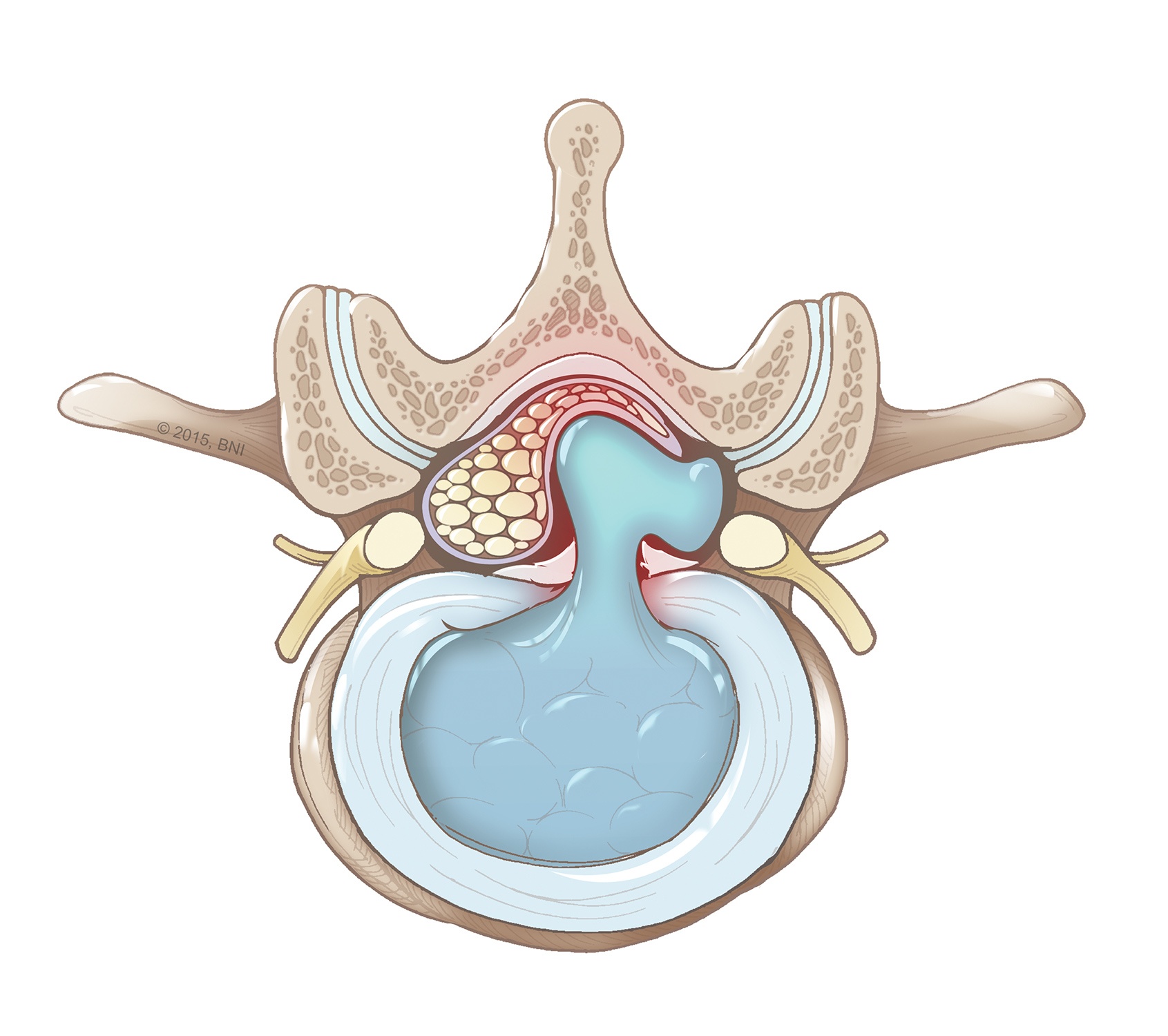
Spinal disks sit between the vertebrae and help absorb pressure. A herniated disk occurs when softer material inside a disk pushes through a weakened outer area and irritates nearby tissue or nerves.
A lower-back herniation may produce pain in the buttock, hip, leg, calf, or foot. A neck herniation may send pain, numbness, or weakness into the shoulder, arm, or hand.
The disk finding and the symptoms don’t always match neatly. That’s a key point. A scan can show a disk change that isn’t responsible for the pain, while a small-looking change may irritate a nerve in a sensitive location.
Which Symptoms Suggest Nerve Compression?
Radiating pain is often described as burning, shooting, or electrical. Numbness and tingling may follow a narrower path into particular fingers, toes, or parts of a limb.
Weakness deserves attention. Someone with a lower-back problem may stumble, struggle to raise the front of the foot, or find stairs harder. With a neck-related problem, objects may slip from the hand or certain arm movements may feel weaker.
Tracking activity patterns can show whether sitting, bending, lifting, coughing, walking, or overhead work repeatedly brings on symptoms. This doesn’t diagnose a herniated disk, but it gives the examiner a clearer history.
| Disk location | Possible symptom area | Functional clue |
| Lower back | Buttock, leg, calf, foot | Tripping or weak push-off |
| Neck | Shoulder, arm, hand | Weak grip or arm movement |
| Nerve irritation | Tingling or numbness | Specific skin pathway |
| Local irritation | Back or neck | Stiff, guarded movement |
How Is a Herniated Disc Different From a Muscle Strain?
A muscle strain usually causes localized soreness, tightness, or pain linked to movement. A disk-related nerve problem is more likely to create symptoms that travel into an arm or leg.
But the distinction isn’t perfect. Muscle guarding can occur around a herniated disk, and a strained back may refer discomfort toward the hip. A physical examination checks strength, sensation, reflexes, movement, and which positions reproduce the symptoms.
The MedlinePlus herniated disk guide notes that diagnosis commonly begins with an examination and may include imaging in selected situations. It also explains that many people recover with treatment, although some require surgery.
What Details Should You Record Before an Appointment?
Write down where symptoms begin, where they travel, and whether they affect one or both sides. Include weakness, numbness, sleep disruption, recent injuries, and movements that worsen or relieve the discomfort.
A clear pain journal is more helpful when it describes function rather than using pain scores alone. “My right foot catches twice during a short walk” gives different information from “the pain is eight out of ten.”
Bring relevant medications, previous scan reports, and secure appointment notes. A clinician can then compare the current episode with older injuries instead of relying on incomplete recollection.
Where Self-Treatment Commonly Goes Wrong
Forceful stretching can aggravate an irritated nerve. Repeated bending to “loosen the disk” may also increase radiating symptoms in some people.
Long bed rest is another common mistake. It may increase stiffness and reduce confidence in normal movement. At the opposite extreme, returning immediately to heavy lifting can provoke another flare.
Pain relief can make activity easier, but it doesn’t guarantee that strength and control have returned. Gradual progression matters, especially for lifting, running, and jobs involving repeated bending.
Red Flags: When to Get Medical Help
Seek emergency care for new loss of bladder or bowel control, numbness around the groin or inner thighs, rapidly worsening limb weakness, or major difficulty walking. These signs may indicate severe nerve compression.
Urgent assessment is also appropriate after substantial trauma or when back or neck pain appears with fever, serious illness, or rapidly increasing neurological symptoms. Arrange a medical evaluation when numbness persists, strength is changing, pain is spreading, or symptoms disrupt ordinary activity.
Frequently Asked Questions
Can a herniated disk cause numbness without severe pain?
Yes. A compressed or irritated nerve may produce numbness, tingling, or weakness even when local back or neck pain is limited. Persistent sensory loss or weakness should be assessed.
Does every herniated disk require surgery?
No. Many cases are managed without surgery. Treatment choices depend on symptom severity, neurological findings, functional limitations, duration, and the suspected level of nerve compression.
Can you see a herniated disk on an X-ray?
Standard X-rays show bones more clearly than soft spinal disks. Other imaging may be considered when examination findings, severe symptoms, trauma, or the course of the problem makes it appropriate.
Act on Changes in Strength or Sensation
Note any spreading pain, persistent numbness, grip change, tripping, or loss of limb strength. Arrange an evaluation when these symptoms don’t settle or interfere with normal function. Emergency bladder, bowel, saddle-numbness, or rapidly progressive weakness symptoms should never be watched at home.
This article provides general education and is not a diagnosis or substitute for care from a qualified healthcare professional.