Food Allergy Symptoms – Reactions Appearing Within Few Minutes
Food allergy symptoms can begin within minutes after eating, though some reactions develop later. Warning signs may affect the skin, mouth, digestive system, breathing, or circulation. Hives and itching can remain mild, but throat swelling, breathing trouble, faintness, or symptoms involving several body systems may signal anaphylaxis.
What Are the First Food Allergy Symptoms?
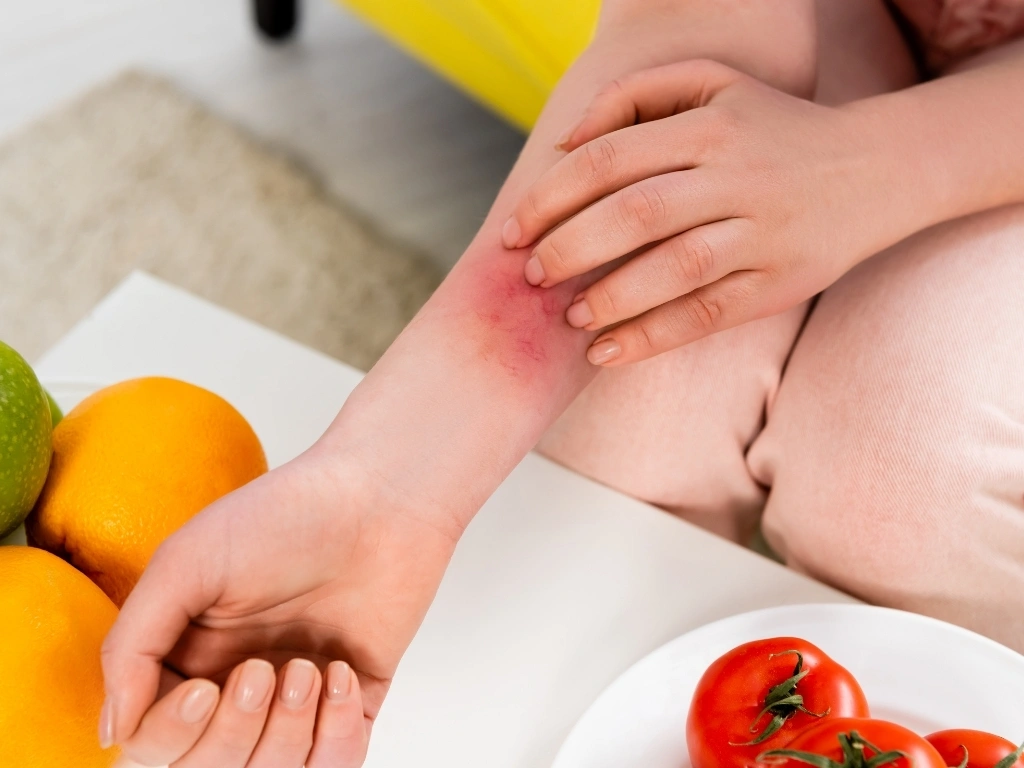
Early reactions often involve itching or tingling inside the mouth, facial flushing, hives, or swelling of the lips and eyelids. Some people develop stomach cramps, nausea, vomiting, or diarrhea.
Respiratory symptoms may include coughing, wheezing, a hoarse voice, throat tightness, or difficulty swallowing. Dizziness, confusion, collapse, or unusual weakness can indicate that circulation is being affected. A reaction does not need to include every symptom to be serious.
| Body system | Possible symptoms | Concerning progression |
| Skin | Hives, itching, flushing | Rapid widespread swelling |
| Digestive | Cramps, vomiting, diarrhea | Repeated vomiting with other symptoms |
| Breathing | Cough, wheeze, hoarseness | Throat tightness or breathing difficulty |
| Circulation | Dizziness, weakness | Fainting or collapse |
Creating reaction timeline notes after receiving appropriate care can help document what was eaten, when symptoms started, and how the reaction changed.
How Quickly Can a Food Reaction Appear?
Immediate food allergies frequently produce symptoms soon after exposure. Yet timing can vary with the allergen, amount eaten, food preparation, exercise, alcohol, medicines, and individual sensitivity.
A delayed symptom does not automatically rule out an immune reaction, and a quick digestive symptom does not automatically prove an allergy. Food poisoning, lactose intolerance, reflux, and other conditions may also cause discomfort after eating.
Careful label research means checking the full ingredient statement every time rather than assuming a familiar product has never changed.
Food Allergy or Food Intolerance?
A food allergy involves an immune response and may affect several body systems. Food intolerance usually causes digestive symptoms without the same risk of rapid breathing or circulation problems.
Lactose intolerance, for example, may cause bloating, gas, and diarrhea after dairy products. Those symptoms can be uncomfortable, but they are different from hives, throat swelling, wheezing, or faintness. Still, a person should not diagnose the difference from one episode alone.
Communication matters outside the home. A written restaurant communication plan can specify the allergen, cross-contact concern, and need to speak with someone who understands the ingredients.
How Are Suspected Food Allergies Investigated?
Evaluation usually begins with a detailed history: the food involved, amount eaten, timing, previous reactions, preparation method, and other factors present that day. An allergist may use skin-prick tests, blood tests, or other assessments.
Test results alone do not confirm that eating a food will cause symptoms. Under selected circumstances, a medically supervised oral food challenge may be used. It should not be attempted at home because a serious reaction can be unpredictable.
The NIAID food allergy patient guidelines explain diagnosis, avoidance, emergency planning, and evidence-based management.
Mistakes That Increase Food Allergy Risk
The most dangerous mistake is waiting for a reaction to “prove” it is severe before following an emergency plan. Previous mild symptoms do not guarantee that the next exposure will also be mild.
Other errors include relying on appearance or smell, scraping an allergen off a meal, ignoring shared cooking equipment, and using antihistamines as a substitute for prescribed emergency treatment. Overly broad food avoidance creates a different problem: unnecessary restrictions may reduce nutrition and quality of life.
Red Flags and When to Get Help
Treat breathing difficulty, throat tightness, a hoarse voice, faintness, collapse, rapidly worsening swelling, or symptoms affecting several body systems as a medical emergency. Use prescribed epinephrine immediately according to the person’s emergency plan and call local emergency services. Epinephrine is the first-line treatment for anaphylaxis.
Do not rely on an antihistamine to stop airway or circulation symptoms. Medical observation may still be needed even when the person appears to improve because symptoms can recur.
Frequently Asked Questions
Can food allergy symptoms happen without hives?
Yes. A serious reaction may involve breathing, digestive, or circulation symptoms without obvious skin changes. The absence of hives does not make throat tightness or faintness safe to observe at home.
Can touching food cause an allergic reaction?
Skin contact may cause localized itching or hives in some people. Severe systemic reactions are more often associated with ingestion, but personal risk varies and should be discussed with an allergist.
Do food allergies disappear with age?
Some childhood allergies are more likely to resolve than others. Regular reassessment by an allergy specialist can determine whether continued avoidance is needed.
Turn One Reaction Into a Safer Plan
After receiving appropriate care, document the suspected food, timing, symptoms, treatment, and setting. Arrange professional evaluation rather than testing the food again. A clear diagnosis and written emergency plan are safer than guessing based on how mild the first episode seemed.
This article provides general education and does not replace medical diagnosis or individualized emergency advice.