
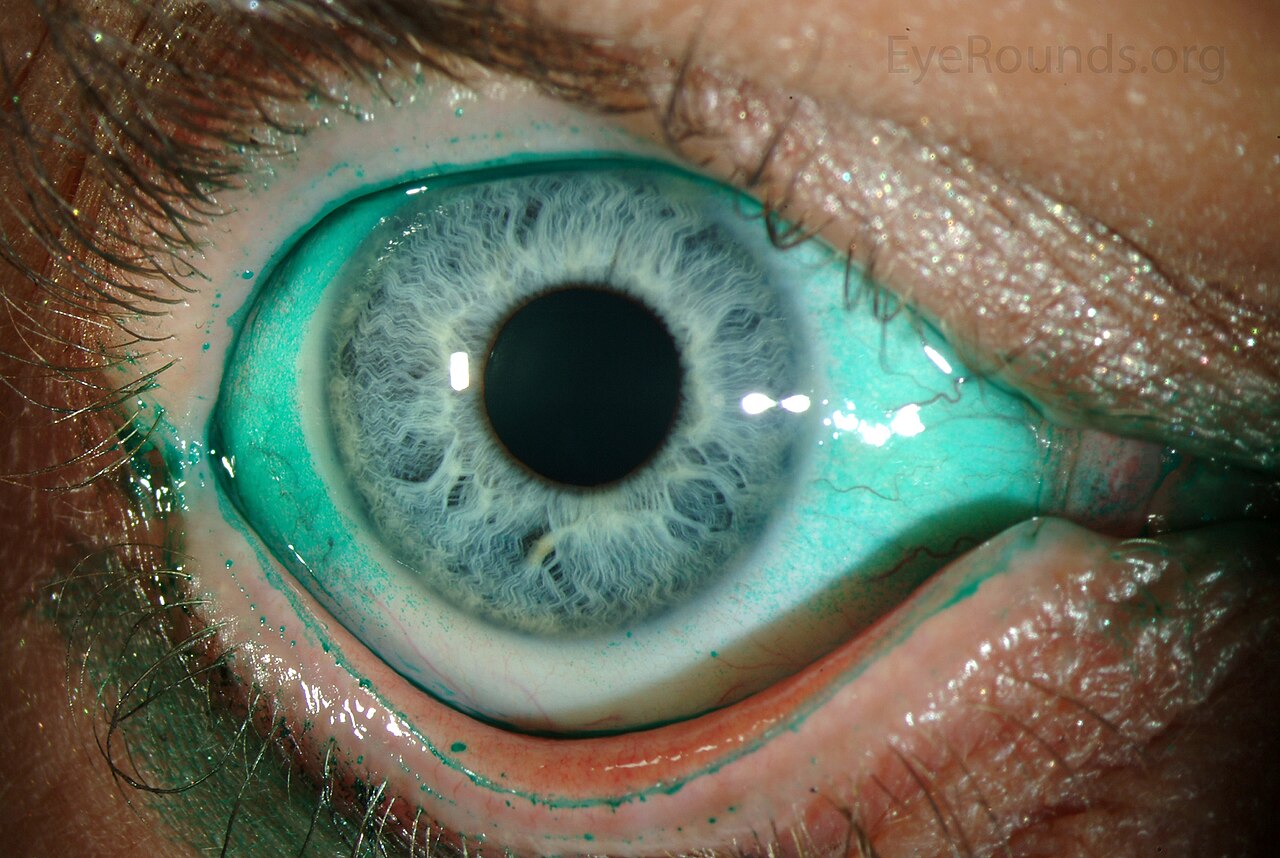
Dry Eye Syndrome Symptoms: Burning, Gritty Eyes Explained Clearly
Dry eye syndrome symptoms include burning, scratching, redness, fluctuating blur, light sensitivity, and the feeling that sand is trapped beneath your eyelids. Oddly, dry eyes may also water excessively because irritation can trigger reflex tears that do not remain on the eye long enough to provide stable lubrication.
What Does Dry Eye Feel Like?
Many people describe dry eye as grittiness, stinging, tired eyes, or a contact lens that suddenly feels uncomfortable. Symptoms may worsen late in the day, during screen use, in air-conditioned rooms, or after exposure to wind and smoke.
Vision can briefly blur and then clear after blinking. That pattern happens because each blink spreads the tear film across the eye’s surface. When the tear layer is unstable, clarity may change from moment to moment.
Adjusting softer indoor lighting may reduce glare-related discomfort, although lighting changes alone won’t correct an unhealthy tear film.
Why Can Dry Eyes Become Watery?
Watery eyes do not rule out dryness. Irritation may cause the lacrimal glands to release a burst of watery tears, but those tears may lack the balanced oil, water, and mucus components needed for lasting coverage.
| Symptom | Common description | Possible pattern |
| Burning | Hot or stinging feeling | Worse in wind |
| Grittiness | Sand beneath the lid | Worse after screen use |
| Fluctuating blur | Vision clears after blinking | Changes through the day |
| Reflex tearing | Tears run down the face | Triggered by irritation |
The National Eye Institute lists burning, scratchiness, redness, and blurry vision among common dry-eye symptoms. Diagnosis may include examining the eye and measuring tear quantity or quality.
A balanced room color scheme may limit harsh contrast around a screen, but it should be viewed as a comfort adjustment rather than treatment.
Common Triggers That Make Symptoms Worse
Long periods of concentrated screen use often reduce blinking. Heating vents, ceiling fans, low humidity, smoke, dust, and prolonged contact-lens wear can also increase discomfort.
Some medicines and health conditions may contribute to dryness, but the cause cannot be determined from symptoms alone. Eyelid inflammation and oil-gland problems can produce a similar burning or gritty sensation.
At a desk, place the monitor slightly below eye level, take regular visual breaks, and avoid directing a fan toward your face. A clean workstation layout can also make it easier to position the screen, humidifier, and lighting comfortably.
Mistakes That Can Prolong Eye Irritation
Repeatedly rubbing your eyes may worsen surface irritation. Another mistake is using redness-relief drops day after day without asking whether they’re suitable for your symptoms.
Artificial tears can help some people, but products differ. Preservatives may irritate certain frequent users, while thicker gels can temporarily blur vision. The honest limitation is that a product that helps one type of dry eye may do little for another.
And don’t assume every burning eye is simple dryness. Allergy, infection, eyelid disease, corneal injury, and contact-lens complications can overlap with dry-eye symptoms.
Red Flags: When Eye Discomfort Needs Urgent Care
Seek prompt professional assessment for strong eye pain, marked light sensitivity, sudden vision loss, an eye injury, chemical exposure, or severe redness concentrated in one eye. Contact-lens users should remove their lenses and obtain urgent advice when pain, discharge, or worsening light sensitivity develops. Thick discharge, significant eyelid swelling, or symptoms following eye surgery also need medical attention. Dry eye commonly causes irritation, but intense pain or a rapid vision change is not something to manage solely with over-the-counter drops. A clinician can examine the cornea and rule out infection or injury.
How Is Dry Eye Evaluated?
An eye-care professional may ask when symptoms occur, review medicines and contact-lens habits, examine the eyelids, and inspect the eye’s surface. Tear production, tear breakup, and corneal staining may be checked.
Treatment depends on the cause and may include lifestyle changes, lubricating products, eyelid care, prescription medicine, or procedures. Improvement can take time, especially when several triggers are involved.
Frequently Asked Questions
Can dry eye cause blurry vision?
Yes. An unstable tear film can make vision fluctuate, especially during reading or screen use. Blur that does not improve with blinking or comes on suddenly needs professional evaluation.
Why are my eyes dry when I wake up?
Incomplete eyelid closure, airflow from a fan, eyelid inflammation, or poor tear-film quality may contribute. Persistent morning pain or marked redness should be examined rather than self-treated indefinitely.
Do contact lenses make dry eye worse?
They can increase dryness or make existing symptoms more noticeable. Reduced wearing time or a different lens approach may help, but painful red eyes require prompt assessment.
Protect the Eye Surface
Track when burning, grittiness, or blur appears and remove obvious triggers such as direct airflow. Arrange an eye examination when symptoms keep returning, interfere with vision, or fail to improve with basic comfort measures.
This information is educational and does not replace personalized eye care from a qualified professional.