
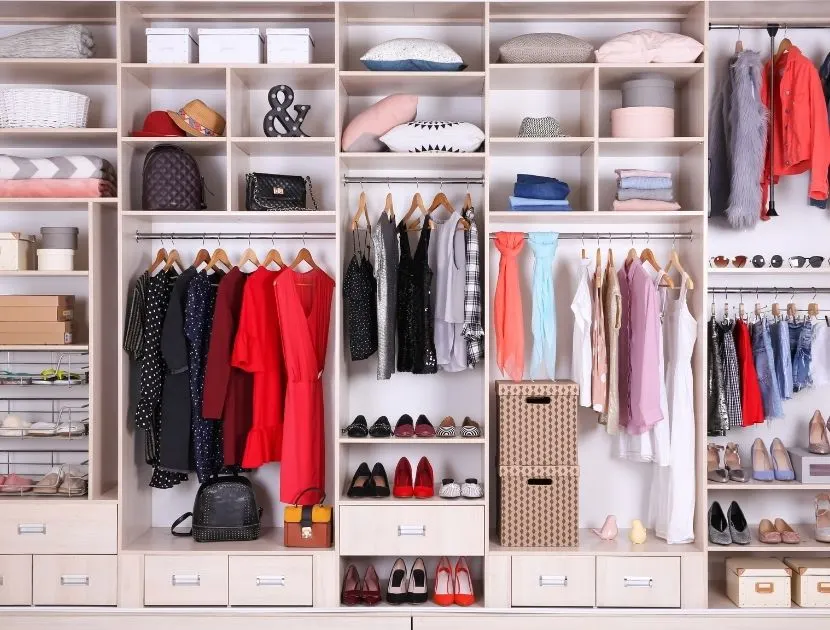
Capsule Closet Ideas for Effortless Weekly Dressing
Most closets do not fail because people own too few clothes; they fail because the clothes refuse to work together. That is why Capsule Closet Ideas matter for busy Americans who want weekday mornings to feel calmer, faster, and less wasteful. A good capsule does not ask you to dress like someone else. It helps you stop buying “maybe” pieces and start trusting what already fits your life.
The best part is not the clean closet photo. It is the Tuesday morning payoff, when you can get dressed before coffee without changing three times. A teacher in Ohio, a nurse in Dallas, a remote worker in Denver, and a parent in suburban New Jersey all need different clothes, but they share the same problem: decision fatigue. For readers building better routines around home, work, and personal style, smart lifestyle planning starts with removing the small daily choices that quietly drain attention.
Start With the Week You Actually Live
A capsule closet should begin with your calendar, not your fantasy self. Many people build wardrobes for the life they wish they had, then wonder why the closet feels wrong every Monday morning. Your clothes should answer the week in front of you: work, errands, school drop-offs, dinners, gym stops, worship services, travel days, and the weather your city throws at you.
This is where most closet advice gets too polished. A real closet has dog hair, packed lunches, office air conditioning, last-minute Target runs, and one pair of jeans you keep reaching for even after buying five others. That pattern is not a flaw. It is evidence.
Why Weekly Outfit Planning Beats Random Closet Cleanouts
Weekly outfit planning works because it makes your closet serve your schedule before your schedule starts fighting back. A Sunday night scan of the next five days can tell you more than a full afternoon of tossing clothes on the bed. You see what needs to be ready, what needs washing, and what has no place in the week ahead.
A practical American workweek might include two office days, one casual Friday, one dinner after work, and a Saturday grocery run. That means you do not need ten “nice tops.” You may need three polished tops, one layering piece, one denim option, and shoes that can handle parking lots, sidewalks, and weather changes without drama.
The surprise is that planning outfits ahead can make your clothes feel more personal, not less creative. You stop asking, “What should I wear?” under pressure. You ask, “What version of myself needs to show up this week?” That small shift changes the whole closet.
How a Minimal Wardrobe Still Handles Real Life
A minimal wardrobe does not mean owning only beige shirts and one pair of pants. It means every item has a job, and most pieces can do more than one thing. A black knit dress can work with sneakers for errands, boots for dinner, or a blazer for a meeting. One item, three moods.
Americans often need wardrobes that cross climates and roles. Someone in Chicago may need layers for sudden temperature swings, while someone in Phoenix needs breathable fabrics that still look pulled together indoors. A minimal wardrobe succeeds when it respects those details instead of copying a coastal influencer’s closet rack.
The mistake is cutting too deeply too fast. Keep the coat that saves you during February. Keep the shoes that survive school pickup in the rain. A capsule should remove confusion, not common sense.
Build Capsule Closet Ideas Around Outfit Formulas
The smartest closets are not built around single items. They are built around repeatable outfit formulas that make dressing feel natural. Capsule Closet Ideas work best when you can look at a few pieces and know the shape of an outfit before choosing the colors or accessories.
An outfit formula is simple: top, bottom, layer, shoe, finish. It gives you a structure without turning you into a mannequin. Once the formula works, you can swap pieces without starting from zero every morning.
Mix and Match Outfits Need a Base Uniform
Mix and match outfits become easier when you accept that most people already have a base uniform. It might be jeans, a soft tee, and a cardigan. It might be trousers, a tucked shirt, and loafers. It might be leggings, a long sweater, and clean sneakers for a work-from-home day with errands built in.
The point is not to make every outfit different. The point is to make every outfit dependable. A woman in Atlanta who wears dark jeans, breathable blouses, and flats most weekdays does not need to abandon that rhythm. She needs better versions of the pieces that already carry her through the week.
A strong base uniform also protects you from sale-rack mistakes. That bright skirt may be beautiful, but if it does not fit your formula, it will sit in the closet like a guest who never learned your house rules.
Closet Organization Should Follow Outfit Habits
Closet organization should not be based only on color, category, or Pinterest logic. It should follow how you get dressed. If you build outfits from pants first, keep bottoms easy to see. If jackets complete your look, do not bury them behind old formalwear.
One practical setup is to create a “weekly rail” or front section with the pieces you expect to wear in the next five to seven days. This works even in a small apartment closet. You are not reorganizing your whole wardrobe every week; you are pulling forward the pieces that match your real schedule.
A counterintuitive truth: the prettiest closet system may slow you down. Clear bins, matching hangers, and labels help only when they reduce friction. If a storage method makes your favorite sweater harder to reach, it is decoration pretending to be order.
Choose Pieces That Earn Their Space
A capsule closet gets stronger when each item proves its worth. That sounds strict, but it is freeing. Clothes stop being emotional clutter and start becoming tools for daily confidence. You are not judging your taste. You are judging whether the item still serves your body, schedule, climate, and standards.
This is also where shopping gets smarter. Instead of buying more, you start noticing what would make five existing outfits work better. That might be one white button-down, one better pair of black trousers, one soft jacket, or one pair of walking-friendly shoes that still looks sharp.
The Three-Wear Test Exposes Weak Pieces
The three-wear test is simple: can you picture wearing the item three different ways in your normal week? A striped tee might work with jeans, under a blazer, and with a midi skirt. A bold blouse might work only with one pair of pants and a certain mood. That does not make it bad, but it does make it less useful.
For example, a retail manager in Florida may need tops that handle warm commutes, cold store air, and long shifts. A shirt that looks nice but wrinkles by 10 a.m. has failed the job. A breathable blouse that works with black pants, jeans, and a skirt earns its hanger.
This test also saves money because it catches the lie behind “I’ll find something to wear it with.” Most people do not need more clothes to support one difficult piece. They need easier pieces that support real mornings.
Quality Matters Most Where Clothes Work Hard
Quality does not need to mean expensive. It means the item holds its shape, feels good on your skin, washes without drama, and survives the role you assign it. Spend more attention on high-use pieces: jeans, trousers, shoes, sweaters, coats, and everyday bags.
A $25 T-shirt that twists after two washes is not cheap if you hate wearing it. A $70 tee that keeps its shape for a year may cost less in practice. The same logic applies to shoes. A pair that looks cute but punishes your feet by noon will never become part of a reliable weekly system.
The quiet skill is knowing where quality matters less. A seasonal scarf, a trend color, or a fun belt can cost less because it does not carry the outfit. Save your care and budget for the pieces doing the heavy lifting.
Keep Your Closet Flexible Without Letting It Drift
A capsule closet should never feel frozen. Seasons change, bodies change, jobs change, and life has a way of ruining perfect systems. The goal is not to lock your wardrobe into a strict number forever. The goal is to keep the closet honest.
Flexibility matters because rigid closets often fail by week three. You need room for laundry delays, surprise invitations, weight shifts, weather swings, and the emotional fact that some days you want softer clothes. A working closet makes space for that without turning chaotic again.
Seasonal Swaps Keep Weekly Dressing Fresh
Seasonal swaps help you maintain a minimal wardrobe without pretending July and January ask for the same clothes. In Boston, that may mean storing heavy wool pieces in spring and bringing forward cotton knits, lighter jackets, and breathable pants. In Southern California, the change may be smaller, but it still matters.
The best seasonal swap starts with review, not storage. Ask what you wore often, what stayed untouched, what felt uncomfortable, and what created the most outfits. The answers tell you what to keep, tailor, donate, repair, or replace before the next season begins.
One unexpected benefit is emotional relief. When your closet shows only what belongs to the current season, getting dressed feels cleaner. You are not pushing past December sweaters to find a May blouse. The closet stops arguing with the weather.
Small Style Updates Prevent Capsule Fatigue
Capsule fatigue happens when the closet works but starts feeling flat. That does not mean the system failed. It means your eye needs a small change. A new belt, different earrings, a fresh sneaker shape, or one seasonal color can wake up familiar clothes without forcing a full reset.
Mix and match outfits become more interesting when accessories carry the change instead of the core wardrobe. A navy blazer, white tee, and jeans can shift with loafers, boots, a silk scarf, or a leather tote. The base stays steady. The mood changes.
This is the difference between personal style and constant shopping. You do not need to chase every trend to feel current. You need enough movement in the closet to keep your clothes connected to the person you are now.
Make the System Easy Enough to Repeat
The strongest capsule closet is the one you can maintain on a tired week. If the system depends on perfect folding, color charts, or a Sunday reset that takes two hours, it will collapse when life gets loud. Keep the rules simple enough to survive real pressure.
A repeatable closet has clear zones, visible favorites, dependable laundry habits, and no mystery piles. It also has limits. When new pieces come in, old pieces need to be reviewed. Not always removed. But questioned.
A Closet Reset Should Take Less Than One Hour
A weekly reset can be small. Put clean clothes back where they belong. Pull out damaged items for repair. Move unworn maybes to one side. Check the week’s weather. Choose a few outfit starters. That is enough.
For a busy parent in Pennsylvania, this may happen after laundry on Sunday evening. For a college student in Texas, it may happen before the school week begins. For someone working shifts, it may happen on the first quiet morning after a run of long days. The timing matters less than the repeat.
Closet organization works when it reduces the number of decisions waiting for you. Keep your most-used items at eye level. Store special-occasion pieces away from daily clothes. Stop treating every garment like it deserves equal access.
Buying Rules Protect the Closet You Built
Buying rules sound restrictive until you realize they protect your mornings. One helpful rule is this: no new item comes home unless it works with at least three things you already own. Another rule is to wait 24 hours before buying anything that fills an emotional gap instead of a wardrobe gap.
A good shopping list grows from friction. If you keep skipping a pair of pants because you lack the right shoes, write down the shoe need. If three outfits would improve with a cream cardigan, that is useful information. Random browsing rarely gives you that clarity.
Capsule closets fail when shopping becomes entertainment again. They last when buying becomes a response to a real pattern. That is the grown-up reward: fewer purchases, better outfits, and mornings that do not start with a pile on the floor.
Conclusion
A better closet is not a personality makeover. It is a daily support system that gives you back time, attention, and a little confidence before the day starts asking for more. The clothes you keep should know your routines, your climate, your work, your comfort limits, and the version of yourself you trust most.
The real promise of Capsule Closet Ideas is not owning less for the sake of owning less. It is building a wardrobe that stops interrupting your life. When your pieces work together, your mornings become quieter. Your spending becomes clearer. Your style starts looking more like a decision and less like an accident.
Start with one week, not your whole closet. Pull the pieces that already work, build three outfit formulas, and let the weak spots reveal themselves. Dress from truth first, then refine with taste.
Frequently Asked Questions
What are the best capsule closet ideas for beginners?
Start with the clothes you already wear most, then build around them. Choose two bottoms, three tops, one layer, one dressier option, and two pairs of shoes. Beginners succeed faster when they copy their real habits instead of building an idealized wardrobe from scratch.
How many clothes should be in a capsule closet?
Most people do well with 25 to 40 core pieces per season, not counting workout clothes, sleepwear, or special-event outfits. The right number depends on laundry habits, climate, work needs, and how often your week demands different levels of dress.
How do I plan weekly outfits from a small wardrobe?
Check your calendar and weather first, then choose outfits by situation. Build around anchors such as trousers, jeans, dresses, or shoes. A small wardrobe works better when you repeat formulas and change layers, accessories, or textures for variety.
What colors work best for a minimal wardrobe?
Neutral colors such as black, navy, gray, denim, white, cream, olive, and tan are easy to repeat. Add one or two accent colors that suit your skin tone and mood. The goal is not blandness; it is easier pairing.
How can I make mix and match outfits look less boring?
Use texture, shoes, jewelry, belts, bags, and layers to change the tone. A simple tee and trousers can look casual with sneakers or polished with loafers and a jacket. Variety does not always need more clothing.
What should I remove first during closet organization?
Remove damaged clothes, poor fits, uncomfortable fabrics, and pieces linked to a version of your life that no longer exists. Then separate maybes instead of forcing instant decisions. Distance often makes the answer clear within a few weeks.
Can a capsule closet work for different seasons?
Yes, but seasonal swaps matter. Keep your year-round basics, then rotate weather-specific pieces such as coats, sandals, sweaters, and linen shirts. A seasonal capsule feels more useful because it matches the weather outside your door.
How do I stop buying clothes I never wear?
Create a shopping rule before you browse. Buy only pieces that work with at least three items you already own and fill a clear gap. Waiting 24 hours also helps separate real wardrobe needs from mood-driven purchases.