
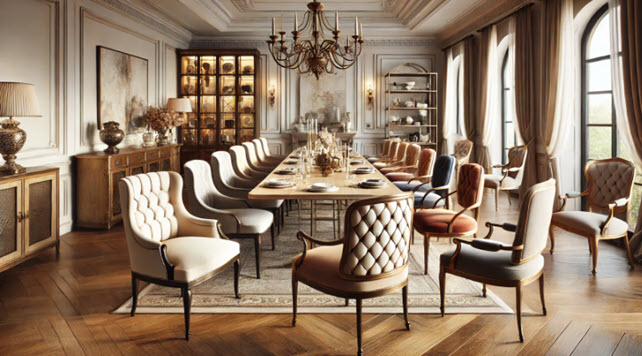
Elegant Dining Chair Ideas for Stylish Interiors
A dining room can look expensive or unfinished before a single plate reaches the table. The right dining chair ideas shape how the room feels, how guests settle in, and how often your family chooses the table over the couch. Many American homes now treat the dining area as a flexible zone, not a formal room saved for holidays. It may sit beside an open kitchen in Austin, fill a bright corner in a Chicago condo, or anchor a suburban home outside Atlanta. That means the chairs have to work harder than they used to.
Style matters, but comfort decides whether people stay. A beautiful chair that punishes your back turns dinner into a countdown. A practical chair with no character makes the whole space feel flat. Good design lives between those two mistakes. For homeowners comparing finishes, layouts, and room updates, trusted home improvement resources like smart interior planning guides can help connect design choices with daily use. The goal is not to chase a showroom look. The goal is to choose chairs that make your dining room feel intentional, lived-in, and ready for the way you gather now.
Shape Comes First: How Chair Silhouettes Change the Whole Room
Chairs do more than fill the space around a table. Their shape controls the room’s mood before color, fabric, or finish even enters the conversation. A tall-back chair can make a dining room feel formal and grounded. A low, curved chair can make the same room feel open, relaxed, and current. This is where many people make their first mistake: they shop by color before they understand silhouette.
Why Tall-Back Chairs Still Work in Modern Homes
Tall-back chairs have a reputation for feeling old-fashioned, but that is only true when the frame is bulky, carved, or too dark for the room. A slim tall-back chair can bring structure to an open-plan dining area, especially when the room lacks walls. In many new-build homes across the U.S., the dining table sits between the kitchen island and living room. Without visual boundaries, the space can feel like furniture floating on a floor plan.
A taller chair gives the eye a stopping point. It creates a soft wall around the table without closing off the room. That matters in homes where one large space has to carry cooking, eating, homework, and conversation. A simple walnut or black-framed tall-back chair can make the dining zone feel deliberate without needing a rug, screen, or ceiling change.
The trick is restraint. Skip heavy crowns, thick legs, and padded backs that look like they belong in a banquet hall. Choose clean lines, narrow rails, and a back height that supports posture without towering over the table. Tall does not have to mean stiff. Done well, it feels calm.
How Low-Profile Chairs Make Small Dining Areas Feel Larger
Low-profile chairs are a gift for apartments, breakfast nooks, and small dining rooms because they let the eye travel across the space. When chair backs sit closer to table height, the room feels less crowded. This can help a compact dining corner in a New York apartment or a narrow townhome kitchen feel lighter without removing useful seating.
The counterintuitive part is that low chairs can feel more designed than dramatic ones. A dining room does not always need height to feel finished. Sometimes it needs quiet. Rounded low-back chairs, wishbone-inspired frames, or slim upholstered seats can bring a tailored look while leaving the room visually open.
Comfort still needs attention. Some low chairs look graceful but offer poor back support. Sit in one before buying when possible, or check seat depth, back angle, and cushion density with care. A chair that looks airy should still support a long meal, a birthday cake moment, or a Sunday night family talk that runs past cleanup.
Materials Set the Tone Before Color Does
Once the shape feels right, material becomes the next major signal. Wood, upholstery, metal, cane, and leather each tell a different story. The best dining rooms do not treat material as decoration. They use it to create warmth, contrast, softness, or edge. A maple table with matching maple chairs can look safe but sleepy. A stone-topped table with cold metal chairs can feel sharp when the room needed comfort.
When Wood Dining Room Chairs Feel Warm Instead of Plain
Wood dining room chairs remain popular because they carry texture without needing pattern. They work in farmhouse spaces, mid-century rooms, coastal homes, and pared-back city apartments. The difference comes from finish and proportion. Light oak feels casual and bright. Walnut feels richer and more settled. Black-stained wood adds definition without the glare of metal.
Many homeowners assume matching the table and chairs is the safest move. It often creates the dullest result. A medium oak table with slightly darker chairs can look collected. A painted table with natural wood chairs can soften the whole room. Even a white kitchen dining area can gain life from honey-toned wood seats.
Wood also ages with more grace than many trend-heavy materials. Small marks become part of the chair’s story, especially in family homes. That does not mean every scratch is charming, but it does mean wood can handle real use without losing its place in the room. For families with kids, that matters more than a perfect catalog photo.
Why Upholstered Stylish Dining Chairs Need Practical Fabric
Upholstered stylish dining chairs can make a dining space feel comfortable from the first glance. They soften hard floors, echo living room furniture, and help a dining room feel less like a pass-through space. In homes where guests linger after dinner, upholstered seats often earn their keep.
Fabric choice decides whether that beauty becomes a burden. Pale linen may look stunning under morning light, but it can turn every sauce spill into a household event. Performance fabric, tight-weave polyester blends, leather, and wipeable vinyl options offer more forgiveness. Many American families do not need chairs that look untouched. They need chairs that survive taco night, coffee, school projects, and the occasional dropped fork.
There is also a sound benefit people rarely mention. Upholstery absorbs some noise in rooms with hardwood floors, glass doors, and open kitchens. That can make dinner feel less echoey. The chair is doing acoustic work while looking good, which is the kind of quiet win good design should deliver.
Mixing Chairs Without Making the Room Look Random
A matched dining set is easy, but it can also feel flat. Mixing chairs brings personality, yet it demands discipline. The room should look collected, not confused. A strong mix uses one shared detail to hold everything together: finish, height, leg shape, upholstery tone, or design period. Without that thread, the table starts to feel like a thrift store accident.
How to Pair Dining Room Seating Around One Table
Dining room seating works best when the mix has a clear reason. One common approach is using armchairs at the heads of the table and side chairs along the length. This gives the table a sense of hierarchy without turning the room formal. It also helps larger dining rooms feel anchored.
Another strong option is pairing a bench on one side with chairs on the other. This works well in casual family spaces where kids slide in and out often. A bench can save space near a wall or window, while individual chairs on the opposite side keep the layout from feeling like a cafeteria. The contrast feels relaxed, but still controlled.
The mistake is mixing too many personalities. Four chair types around one table rarely work unless the room has an artistic, layered style already. Most homes need two styles at most. Let one choice lead and the other support it. That keeps the room readable.
What Makes Mixed Modern Chair Styles Feel Intentional
Modern chair styles can mix well when their lines speak the same language. A curved molded chair can pair with a slim wood chair if both feel light. A metal-framed chair can sit beside an upholstered chair if the leg profile stays narrow. The shared detail may be subtle, but it needs to exist.
Color can also create order. If every chair sits in the same warm neutral range, the shapes can vary more freely. If the colors vary, the shapes should stay closer. This balance keeps the eye from working too hard. A room should invite attention, not demand analysis.
One unexpected trick is to match the visual weight, not the material. A cane chair and a woven leather chair may differ, but both feel breathable. A velvet armchair and a chunky wood chair may clash because both feel heavy in different ways. Weight is the hidden design language most people feel before they can name it.
Comfort, Scale, and Daily Use Decide the Final Choice
A dining chair has to pass the real-life test. It must fit under the table, leave room for knees, support different bodies, and survive the habits of the home. This final stage is less glamorous than choosing fabric, but it protects you from expensive regret. A chair can be beautiful and still wrong.
Why Seat Height and Table Clearance Matter More Than Style
Seat height shapes comfort faster than almost any detail. Most dining tables sit around 28 to 30 inches high, and most dining chair seats land around 17 to 19 inches. That range works for many people, but not every table has the same apron depth or top thickness. A thick farmhouse table can leave less thigh room than expected.
Measure before buying. Leave enough space between the seat and table underside so people can sit comfortably without feeling trapped. Armchairs need extra attention because arms may hit the table edge. A chair that cannot slide under the table will make the room feel messy even when everything is clean.
Scale also affects movement. In a typical American dining room, people need enough space to pull chairs back without hitting a wall, cabinet, or walkway. A gorgeous oversized chair can become annoying when someone has to squeeze past it every morning. Design fails when it ignores the body.
How to Choose Chairs That Match the Way You Eat
Every home has a dining pattern, even if no one names it. Some families eat quick weeknight meals and reserve long dinners for guests. Others use the table for work calls, puzzles, school forms, and weekend brunch. The best chair fits the pattern, not the fantasy version of the home.
A formal dining room used a few times a month can handle more delicate fabric or sculptural shapes. A kitchen dining area used three times a day needs forgiving finishes, stable legs, and easy cleaning. Pet owners may want tighter upholstery weaves. Parents may want chairs light enough to move but sturdy enough not to tip when a child climbs down.
There is no shame in choosing practical beauty. In fact, the most stylish interiors often work because they respect daily life. A chair that looks refined and handles Tuesday night leftovers is better than one that shines once a year and irritates you the rest of the time.
Conclusion
A dining room becomes stronger when the chairs are chosen with patience instead of panic. The right choice comes from a simple order: shape first, material second, mix with discipline, and measure before you commit. That process keeps you from falling for a chair that photographs well but lives poorly.
Good design is not about impressing guests for five minutes. It is about building a room that earns its space every week. Your table may host holidays, quiet breakfasts, homework, takeout, bills, and hard conversations. The chairs should be ready for all of it. That is why dining chair ideas should never stop at color or trend. They should lead you toward comfort, proportion, durability, and a room that feels like someone made choices with care.
Start by looking at the table you already own, the space around it, and the way your household gathers. Then choose chairs that support that truth with confidence. A dining room gets its soul from use, but the right chairs make people want to sit down in the first place.
Frequently Asked Questions
What are the best dining room chairs for small spaces?
Low-back chairs, armless designs, and slim wood frames usually work best in small spaces. They keep sightlines open and make movement easier around the table. Avoid oversized upholstered chairs unless the room has enough clearance behind every seat.
How do I choose dining chairs that match my table?
Match the table’s visual weight, not always its material. A heavy table needs chairs with enough presence to balance it. A slim table usually looks better with lighter frames. Contrast can work well when color, shape, or finish still feels connected.
Are upholstered dining chairs practical for families?
Upholstered chairs can work for families when the fabric is forgiving. Performance fabric, leather, faux leather, and tight-weave materials handle spills better than delicate linen or loose weaves. Removable seat cushions can also make cleaning easier.
Should dining chairs be lighter or darker than the table?
Either can work, but contrast often gives the room more depth. Darker chairs can ground a light table, while lighter chairs can soften a dark one. The key is repeating the chair tone somewhere else, such as lighting, art, flooring, or cabinet hardware.
How many dining chairs should fit around a table?
Chair count depends on table length and chair width. Most side chairs need about 22 to 24 inches of table space each. Wider armchairs need more room. Leave enough elbow space so guests can eat comfortably without feeling packed together.
Can I mix different dining chair styles?
Mixed chairs can look stylish when they share one clear detail. Keep the same color, similar height, matching leg finish, or related shape. Two chair styles are usually enough for most homes. More than that can feel scattered unless the room is highly layered.
What dining chair material is easiest to clean?
Wood, metal, leather, and high-quality faux leather are among the easiest materials to clean. They handle quick wipe-downs better than most fabrics. For upholstered seats, choose performance fabric and avoid pale, textured materials in high-use dining areas.
Do dining chairs need arms?
Dining chairs do not need arms, but armchairs can add comfort and presence at the heads of the table. Side chairs without arms save space and slide under tables more easily. In tight rooms, armless chairs are usually the smarter choice.