
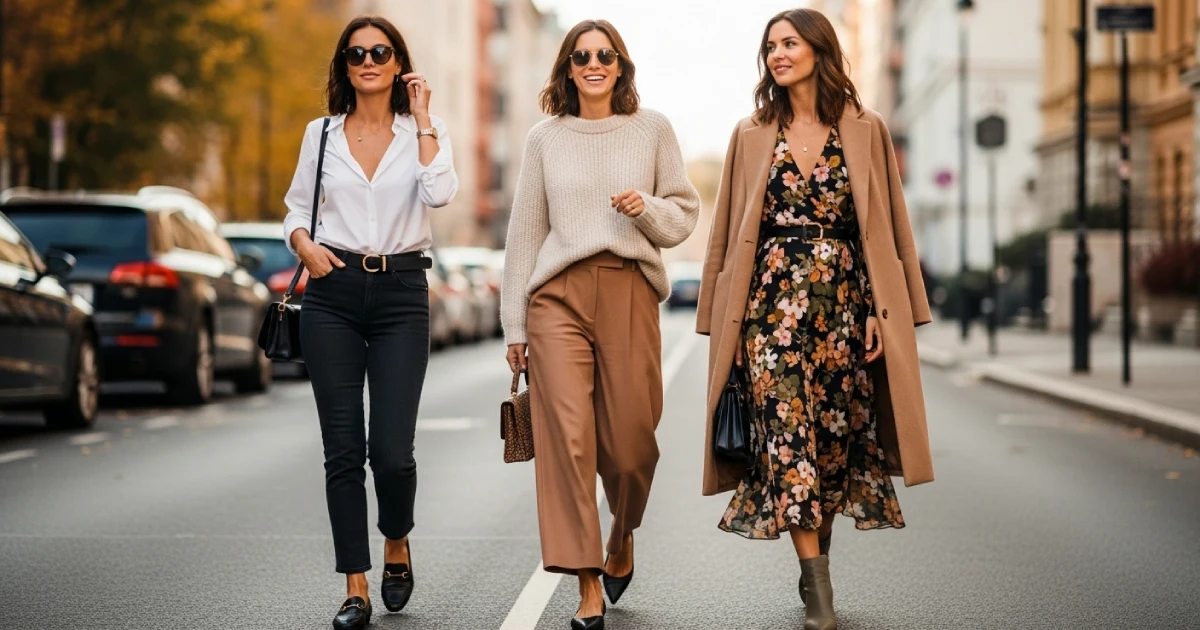
Elegant Fall Fashion Tips for Cozy Modern Dressing
The first cold morning always exposes the weak spots in your closet. You reach for something warm, realize it feels bulky, then wonder why getting dressed suddenly takes twice as long. That is where fall fashion tips matter most, because good autumn style is not about buying a brand-new wardrobe. It is about making smarter choices with texture, proportion, color, and comfort so your clothes work harder without looking overthought.
For Americans moving through school drop-offs, office commutes, coffee runs, weekend errands, and early evening dinners, fall dressing has to handle real life. A great outfit should survive a chilly sidewalk, an overheated store, and a last-minute plan after work. Readers who follow fashion and lifestyle updates through trusted online platforms like modern style inspiration often notice the same pattern: the best looks feel relaxed, but never careless.
Fall gives you room to dress with more personality. You can bring in soft knits, deeper colors, lived-in denim, structured jackets, and boots that actually make sense for the weather. The trick is knowing when to add warmth, when to pull back, and how to keep every outfit easy enough to wear again.
Fall Fashion Tips That Start With Smart Layers
Great autumn dressing starts before the coat ever comes out. The strongest outfits usually begin with a clean base, then build warmth through pieces that can be removed, adjusted, or swapped as the day changes. This matters in the USA because fall weather can shift hard between morning and afternoon, especially in places like Chicago, Denver, Boston, and the Northeast suburbs.
Why Modern Layering Works Better Than Heavy Dressing
Modern layering should feel light on the body, not like you are carrying your closet around. A fitted long-sleeve tee under a soft cardigan can do more for comfort than one thick sweater that traps heat indoors. The best layers give you control, which is why a thin knit, a quilted vest, or a relaxed blazer often beats a bulky coat in early fall.
A good example is a Saturday in Nashville when the morning starts cool, lunch happens outside, and the afternoon turns warm. A cotton tee, denim shirt, and cropped jacket let you adjust without ruining the outfit. That flexibility is the quiet power behind modern layering.
The counterintuitive part is simple: thinner pieces often look more expensive than heavier ones. Heavy clothing can collapse your shape and make everything feel stiff. Lighter layers create depth without swallowing your frame.
How Cozy Outfits Stay Polished Without Feeling Stiff
Cozy outfits work best when one part of the look has structure. A soft ribbed sweater feels sharper with straight-leg jeans. A relaxed knit dress looks more intentional with tall boots and a clean shoulder bag. Comfort needs a little tension, or it drifts into pajama territory.
Many people make the mistake of pairing every soft item with another soft item. Fleece with loose joggers and a slouchy coat may feel warm, but it rarely looks finished outside the house. A structured jacket, leather belt, or crisp boot gives the softness a boundary.
This is why cozy outfits can work for casual Fridays, school meetings, or a quick dinner out. The goal is not to hide comfort. The goal is to frame it so it looks chosen.
Build an Autumn Wardrobe Around Texture, Not Clutter
A strong fall closet does not need endless pieces. It needs contrast. Smooth denim, brushed wool, suede, cotton, leather, ribbed knits, and quilted fabrics create interest even when the colors stay simple. Texture gives an outfit dimension without asking you to pile on accessories.
Choosing Fabrics That Feel Warm But Still Move
The best autumn wardrobe starts with fabrics that handle motion. You need clothes that bend, sit, stretch, and breathe. A sweater that looks perfect while standing in a mirror but overheats you in a grocery store is not useful. Neither is a coat that feels sharp but makes driving uncomfortable.
Cotton knits, merino blends, corduroy, brushed twill, and soft denim are practical because they carry warmth without feeling rigid. In cities like Seattle or Portland, where damp air changes how clothes feel, fabric choice matters even more. A heavy acrylic sweater may look fine online, but it can feel clammy by noon.
The unexpected truth is that texture often matters more than price. A simple ribbed top from a mid-range store can look better than an expensive flat knit if it adds shape and shadow. Fall rewards touch before trend.
Why Neutrals Need One Rich Accent
Neutral dressing feels natural in fall, but too many flat neutrals can drain the outfit. Beige, gray, black, cream, and denim need one rich accent to wake them up. That accent can be burgundy boots, a forest green scarf, a chocolate brown bag, or a rust-colored cardigan.
A practical autumn wardrobe does not require loud color. It needs color with depth. Think cranberry instead of bright red, olive instead of neon green, camel instead of pale tan. These shades work well across American offices, casual neighborhoods, and weekend settings because they feel seasonal without shouting.
The smartest move is to repeat one accent in small ways. A brown belt and brown boot create a quiet line. A wine-toned sweater under a navy coat gives depth without effort. Style often improves when the eye has somewhere calm to land.
Make Modern Layering Match Your Daily Routine
Layering only works when it respects your actual day. A person who drives everywhere needs different pieces than someone walking ten blocks to the train. A parent carrying bags, coffee, and a toddler needs different outerwear than someone heading to a downtown office. Real style begins when your clothes stop fighting your schedule.
What To Wear For Office-To-Evening Fall Days
Office-to-evening fall dressing depends on pieces that can shift mood without a full change. A fine knit top, tailored trousers, ankle boots, and a relaxed blazer can move from a work meeting to dinner with one small adjustment. Add earrings, switch the tote for a smaller bag, or remove the blazer and let the knit stand on its own.
For American workplaces with casual dress codes, dark denim can also work when the rest of the outfit stays clean. A cream sweater, dark straight jeans, and loafers feel pulled together without looking like you tried too hard. The key is avoiding pieces that read too weekend-heavy before the workday ends.
The mistake many people make is dressing for the cold instead of dressing for the full day. The office may be warm. The restaurant may be crowded. The walk to the car may be freezing. A good outfit solves all three moments without drama.
How Fall Style Changes For Errands And Weekends
Fall style for errands should still have shape. Leggings can work with an oversized sweater, but the outfit needs a strong shoe or jacket to keep it from looking unfinished. A cropped puffer, clean sneakers, and a crossbody bag can make practical clothes feel intentional.
Weekend dressing also gives you space to use pieces that may feel too relaxed for work. Shackets, fleece-lined clogs, quilted jackets, baseball caps, and loose denim can all look good when the proportions are controlled. Oversized on top usually looks better with a slimmer or straighter bottom.
A morning trip to Target, a farmers market stop, and lunch at a casual spot should not require three outfits. The right weekend look has enough comfort for movement and enough polish that you do not feel underdressed when plans change.
Use Accessories To Add Warmth Without Overcrowding The Outfit
Accessories do more in fall because the clothing has more weight. A scarf, belt, boot, hat, or bag can shift the entire mood of an outfit. The danger is adding too much at once. Fall already brings layers, so accessories need purpose instead of noise.
Which Boots, Bags, And Belts Pull A Look Together
Boots are the anchor of many fall outfits. Ankle boots work with straight jeans, midi skirts, and sweater dresses. Tall boots bring polish to simple dresses and longer coats. Lug-sole boots add edge, but they need balance through cleaner pieces up top.
Bags matter more than people admit. A slouchy tote softens a sharp coat, while a structured crossbody makes casual denim feel neater. Belts help when layers hide your shape, especially with cardigans, sweater dresses, and long coats.
The counterintuitive rule is that accessories should not all match perfectly. A black boot, brown bag, and gold jewelry can work if the clothing connects them through neutral tones. Perfect matching sometimes looks flatter than a mix that feels lived in.
How Scarves And Jewelry Add Personality
Scarves can either improve an outfit or bury it. A thinner wool scarf often looks better than a massive blanket scarf because it adds warmth without taking over your neckline. Patterned scarves work best when the rest of the outfit stays calm.
Jewelry brings light to fall textures. Gold hoops, a watch, layered necklaces, or a simple cuff can keep knits and coats from feeling heavy. Even a small shine near the face can lift deep colors like charcoal, espresso, and navy.
The best accessories feel personal rather than decorative. Maybe it is a vintage ring, a leather bag that has softened over time, or a scarf picked up during a weekend trip. Those pieces give modern layering a human edge, and that is what keeps fall dressing from feeling copied.
Conclusion
Fall rewards people who dress with intention, not people who chase every seasonal trend. The strongest closets are built from pieces that can move through real American days: school mornings, office hours, errands, coffee dates, football weekends, and cold walks after sunset. When your clothes can handle those moments without fuss, style starts to feel natural again.
The smartest fall fashion tips are not about perfection. They are about balance. Pair softness with structure, warmth with movement, and neutral basics with one rich accent that makes the outfit feel alive. Keep your layers light enough to adjust, your textures interesting enough to stand alone, and your accessories useful enough to earn their place.
Start with one outfit you already wear often and improve it with a better layer, a sharper shoe, or a warmer texture. Build from there, one honest upgrade at a time, until getting dressed for fall feels less like planning and more like knowing exactly who you are.
Frequently Asked Questions
What are the best fall outfit ideas for everyday wear?
Start with straight-leg jeans, a soft knit top, ankle boots, and a lightweight jacket. This combination works for errands, casual work settings, and weekend plans. Add a scarf or structured bag when the outfit needs more polish without adding extra bulk.
How can I dress warm in fall without looking bulky?
Use thinner layers instead of one heavy piece. A fitted base layer, midweight sweater, and structured jacket usually look cleaner than a thick oversized coat. Keep the lower half streamlined so the outfit still has shape and movement.
What colors look best for autumn wardrobe planning?
Rich neutrals and muted seasonal tones work best. Camel, chocolate, olive, burgundy, navy, cream, and charcoal are easy to mix. Choose one deeper accent color and repeat it through shoes, bags, or knits to make outfits feel connected.
Are sweater dresses good for cozy outfits in fall?
Sweater dresses are excellent when the fit has shape. Pair them with tall boots, a belt, or a tailored coat to avoid a shapeless look. Ribbed styles often work better because they create texture and structure at the same time.
What shoes should women wear with fall style outfits?
Ankle boots, loafers, clean sneakers, and tall boots cover most fall needs. Choose ankle boots for denim, loafers for polished casual looks, sneakers for errands, and tall boots for dresses or skirts. Weather and walking distance should guide the final choice.
How do I make modern layering look stylish?
Keep the base layer simple, then add one visual interest point through texture, color, or shape. Avoid stacking too many oversized pieces. A fitted tee, relaxed cardigan, and structured coat usually look cleaner than several loose layers worn together.
What accessories make fall outfits look more expensive?
Structured bags, leather belts, simple jewelry, polished boots, and quality scarves can make basic outfits look sharper. The accessory should improve the shape or finish of the outfit. Too many decorative pieces can make even good clothing feel cluttered.
How many fall clothes do I need for a practical closet?
A practical closet can work with fewer pieces than most people think. Start with two knits, two base tops, one jacket, one coat, two bottoms, one dress, and two pairs of shoes. Add accessories to create variety without overcrowding your wardrobe.