
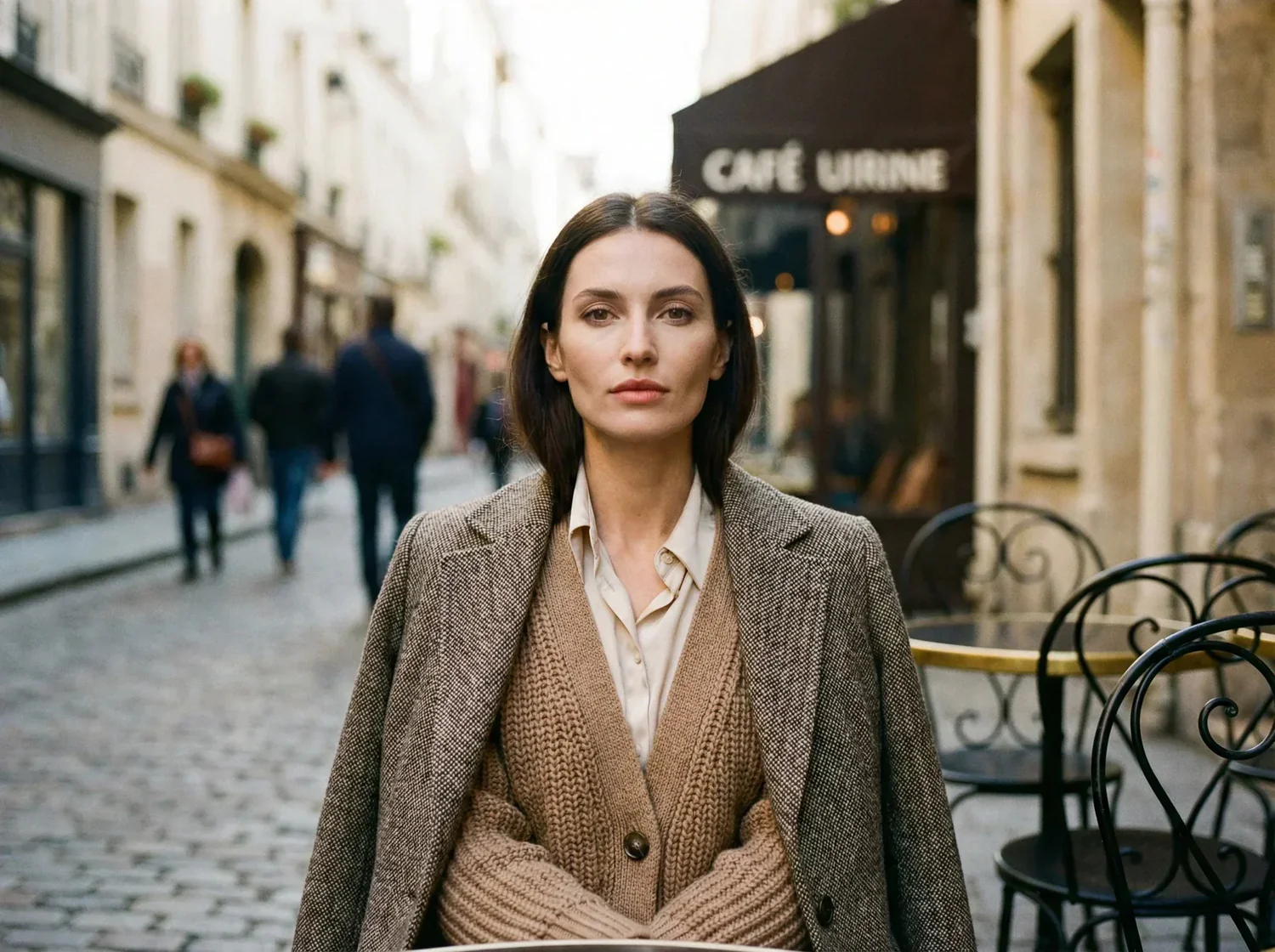
Stylish Winter Layering Tips for Warm Elegant Looks
Cold weather can make even a good closet feel clumsy. The right pieces may already be hanging there, but without smart winter layering tips, a simple outfit can turn bulky, stiff, or dull before you even step outside. Across the USA, where mornings can start icy and afternoons can turn oddly mild, layering has become less about piling on clothes and more about building a look that can move through real life.
Style matters here because winter dressing is public. You wear it to school pickup, work meetings, coffee runs, weekend dinners, and holiday travel. A polished layered outfit tells people you planned, but not too hard. For anyone building a stronger personal image or lifestyle presence, resources like modern style and lifestyle features can make those small choices feel more intentional.
Warmth still comes first. No elegant coat, scarf, or boot choice works if you spend the day uncomfortable. The better goal is simple: keep heat close, control shape, and let each layer earn its place.
Building a Warm Base Without Adding Bulk
Great winter style starts where most people stop paying attention. The base layer sits closest to your skin, so it decides whether the rest of your outfit feels smooth or trapped. When that first layer is wrong, even an expensive wool coat cannot save the look.
A strong base should feel thin, warm, and easy under clothing. In cities like Chicago, Boston, Minneapolis, and Denver, people often move from freezing sidewalks into overheated offices. That shift makes heavy cotton tees a poor choice because they hold moisture and lose shape. A fitted thermal top, fine merino knit, or soft long-sleeve layer gives you warmth without creating a padded outline.
Why Thin Thermal Layers Work Better Than Heavy Shirts
Thin thermal layers work because they trap warm air close to the body without fighting the rest of your outfit. A thick sweatshirt under a coat may feel cozy for ten minutes, but it often bunches at the arms, lifts at the waist, and makes your shoulders look wider than intended.
A fitted base layer creates a cleaner line. It lets a sweater sit flat, a blazer close properly, and a coat move without pulling across the back. This is where many winter outfits either succeed or fall apart. Warmth should not announce itself through lumps.
The counterintuitive part is that lighter can feel warmer. A smooth base, a breathable middle layer, and a good outer shell often beat one giant sweater. That three-part balance gives your body room to regulate heat instead of trapping you in a stiff clothing sandwich.
Choosing Fabrics That Feel Good All Day
Fabric choice matters more in winter because you wear each piece longer. Cotton can feel familiar, but it is not always your friend in cold weather. Once it gets damp from sweat, snow, or sleet, it cools down fast and stays that way.
Merino wool, silk blends, heat-tech knits, and soft synthetic thermals tend to perform better. They sit close without scratching, dry faster, and allow movement. For a New York commuter walking to the subway, that matters. For someone driving from a heated garage to a warm office in Dallas during a cold snap, it still matters.
Comfort also affects posture. When a base layer pulls, itches, or rides up, you adjust it all day. That constant tugging ruins the quiet confidence that elegant winter outfits need. The best base layer disappears once you put it on.
Shaping the Middle Layer for Elegant Warmth
The middle layer is where style becomes visible. This is the part people notice when you remove your coat at a restaurant, office, or family gathering. It needs to provide warmth, but it also has to carry the outfit when the outer layer comes off.
Many people treat sweaters as the whole plan. That works sometimes, but it limits your options. A cardigan, fine knit polo, sleeveless vest, tailored hoodie, flannel overshirt, or lightweight blazer can all serve as the middle layer depending on the setting. The key is choosing one piece that adds shape instead of clutter.
How Sweaters Create Shape Instead of Size
Sweaters can add elegance when they respect your frame. A ribbed turtleneck under a long coat creates height. A cropped cardigan over high-waisted trousers defines the waist. A fine crewneck over a collared shirt gives a clean winter work look without feeling stiff.
Chunky knits still have a place, but they need space around them. A thick cable sweater usually looks better with slimmer pants, a clean boot, and a coat that has enough room through the arms. When every piece is oversized, the outfit loses direction.
Color also changes the effect. Cream, camel, charcoal, navy, olive, burgundy, and soft gray give winter outfits depth without shouting. Bright colors can work, but they look better as one focused choice. A red sweater under a dark wool coat feels intentional. Red sweater, printed scarf, shiny boots, and bold gloves can start to fight.
When a Vest or Blazer Beats Another Knit
A vest can be smarter than a second sweater because it warms the core while leaving the arms free. That matters for driving, typing, cooking, shopping, and moving through crowded places. A quilted vest under a coat looks relaxed, while a wool vest over a shirt feels sharper.
Blazers also deserve more winter use. A soft blazer over a thin knit gives structure without the corporate stiffness of a full suit. In many American workplaces, especially hybrid offices, this kind of middle layer hits the sweet spot between casual and pulled together.
Here is the unexpected truth: elegance often comes from removing one warm item, not adding another. If your outfit already has a base layer, knit, and coat, a bulky hoodie may be the piece that ruins it. Better warmth comes from smarter placement, not louder layering.
Winter Layering Tips for Coats, Scarves, and Proportion
Outerwear carries the whole outfit outdoors, so it cannot be an afterthought. A good coat frames every layer underneath it. A poor one makes even carefully chosen clothing look random.
Coats should match the life you actually live. A long wool coat works beautifully for office days, dinner plans, and city errands. A parka makes sense for snow, wind, and long outdoor stretches. A puffer can look sharp when the rest of the outfit stays clean and balanced. The mistake is expecting one coat to handle every winter moment with the same level of polish.
How Coat Length Changes the Whole Outfit
Coat length shapes the eye before color or fabric even registers. A knee-length wool coat creates a long vertical line, which helps layered outfits look slimmer. A cropped puffer feels sportier and pairs well with straight-leg denim, leggings, or casual trousers. A mid-thigh parka offers practical warmth without swallowing the body.
Petite dressers often fear long coats, but the issue is usually volume, not length. A long coat with a clean shoulder and simple front can look better than a short bulky jacket that cuts the body in half. Taller dressers can use long coats to create drama, especially with boots and a scarf in a close color family.
Proportion should guide every choice. If the coat is oversized, keep the layers beneath smoother. If the coat is tailored, avoid a thick middle layer that strains the buttons. Clothes look more expensive when they have room to sit correctly.
Using Scarves, Gloves, and Hats Without Looking Overdone
Accessories can make winter outfits feel finished, but they can also push them into costume territory. A scarf should either add texture, color, or warmth. It does not need to do all three at once.
A cashmere-style scarf in camel, gray, cream, or black works across most wardrobes. A plaid scarf can add character to a plain coat. A ribbed beanie softens a sharper outfit, while leather gloves make even a simple coat feel more polished. These small choices help cold-weather outfits feel styled rather than assembled in a hurry.
Matching every accessory is less modern than coordinating tone and texture. Brown leather gloves can work with a camel coat and dark jeans. A charcoal scarf can soften a navy puffer. The goal is not perfect sameness. The goal is quiet agreement between the pieces.
Dressing for Real Winter Days Across the USA
Winter dressing changes by region, and that matters. A January outfit in Buffalo does not solve the same problem as a January outfit in Atlanta. Good layering respects the weather outside, the heat inside, and the amount of time you spend moving between both.
American winter style often fails because people copy outfits from climates they do not live in. A heavy wool coat may look stunning online, but it can feel wrong in damp Pacific Northwest rain. A cropped jacket may work in Southern California but leave you miserable during a Midwest wind advisory. Practical style starts with your actual forecast.
Cold Commutes Need Different Layers Than Weekend Errands
A work commute usually demands sharper layers because you need to arrive looking composed. A fitted thermal, fine knit, tailored trousers, wool coat, and weather-safe boots can handle a cold morning without making you look like you dressed for a ski lift.
Weekend errands allow more ease. A long-sleeve base, fleece-lined sweatshirt, straight jeans, puffer, and beanie can still look neat if the colors stay controlled. The outfit does not need to feel formal. It needs to feel considered.
The friction comes from movement. You get in and out of cars, carry bags, walk across parking lots, stand in lines, and enter warm stores. Layers that zip, open, or remove easily beat pieces that trap you. A polished winter outfit should adjust before you start sweating indoors.
Elegant Winter Outfits Still Need Weather-Proof Details
Footwear decides whether a winter outfit survives the day. Suede boots may look beautiful, but untreated suede and slushy sidewalks are a bad match. Leather, waterproof finishes, lug soles, and weather-ready ankle boots give you style with a stronger backbone.
Pants also need planning. Wide-leg trousers can look elegant under a long coat, but they may drag through snow if the hem is too long. Straight jeans, ponte pants, wool trousers, and lined leggings all have a place when paired with the right boots. The hem should meet the shoe with intention.
Small weather details keep the look from collapsing. Carry a compact umbrella in rainy cities. Use wool socks that do not bunch. Choose a coat with real pockets. Style is not fragile when it is built for the day ahead.
Making Layered Outfits Look Expensive Without Overspending
Layering can make affordable clothing look richer when the colors, textures, and fit work together. Price matters less than discipline. A $60 coat in the right shape can look better than a costly one with sagging shoulders and weak buttons.
Most wardrobes do not need more pieces at first. They need better combinations. A cream knit, dark jeans, black boots, and camel coat can look polished for years. A gray turtleneck under a navy blazer can work for office days, dinner, or travel. Repeating strong combinations is not boring. It is how real personal style forms.
Why Color Families Make Winter Outfits Look Cleaner
Color families help layers speak the same language. Black, charcoal, gray, and white create a crisp city look. Camel, cream, brown, and denim feel warm and relaxed. Navy, burgundy, forest green, and taupe give depth without becoming loud.
This approach also makes packing easier. For winter travel to places like Colorado, Vermont, or Washington, D.C., a tight color palette lets every layer work with the next. You can bring fewer items and still build several outfits.
The unexpected benefit is confidence. When your colors already coordinate, you stop second-guessing each layer. You get dressed faster, look calmer, and avoid the cluttered effect that makes winter outfits feel heavy.
Fit Fixes That Make Layering Look Intentional
Fit does not mean tight. It means each layer has a job and enough space to do it. The base layer should sit close. The middle layer should add warmth and shape. The outer layer should cover everything without pulling, puckering, or crushing the clothing beneath it.
Sleeves matter more than people think. If your sweater sleeves bunch under your coat, the outfit feels uncomfortable and looks messy. If your coat sleeves are too long, gloves disappear and the whole look feels borrowed. Tailoring can fix some of this, but choosing the right cut matters first.
A polished outfit often comes down to one mirror check. Can you lift your arms? Can the coat close? Does the scarf sit cleanly? Do the shoes match the outfit’s level of formality? Those questions catch problems before the cold does.
Conclusion
Winter style should never ask you to choose between warmth and elegance. The strongest outfits do both because they start with purpose, not panic. You build from the skin outward, protect the shape, and let every visible piece carry part of the mood.
A good layered look also respects your real day. It knows whether you are walking through freezing wind, sitting in a heated office, driving across town, or heading to dinner after work. That is where winter layering tips become more than fashion advice. They become a practical way to look calm in a season that often makes people dress in survival mode.
Start with one outfit formula this week. Choose a thin warm base, one flattering middle layer, a coat that fits over both, and accessories that feel connected instead of random. Then repeat the formula in different colors and textures until it feels natural. Warmth is easy to buy, but elegant warmth is built one smart layer at a time.
Frequently Asked Questions
How do you layer winter clothes without looking bulky?
Start with a fitted thermal or thin knit base, then add one warm middle layer and a coat with enough room through the shoulders. Keep the heaviest texture to one piece. Smooth layers underneath help the outfit stay clean instead of swollen.
What are the best fabrics for elegant winter layering?
Merino wool, cashmere blends, silk thermals, fleece-lined knits, and fine cotton blends all work well. The best choice depends on your climate and comfort. For cold American cities, merino is especially useful because it feels warm without adding heavy bulk.
How many layers should you wear in winter?
Three layers usually work best: a base layer, a middle layer, and an outer layer. Add accessories for extra warmth instead of stacking more shirts. Scarves, gloves, hats, and warm socks can raise comfort without changing the outfit’s shape.
Can you wear a blazer as a winter layer?
A blazer works well as a middle layer when it fits under your coat. Pair it with a thin turtleneck, fine crewneck, or button-down shirt. Soft wool or knit blazers feel warmer and less stiff than lightweight summer versions.
What coat style looks most elegant in winter?
A knee-length wool coat is one of the easiest elegant choices because it creates a long, clean line. For harsher weather, a structured parka or simple puffer can still look polished when the color, fit, and footwear stay refined.
How do you layer clothes for work in winter?
Choose a thin base layer, a fine sweater or blouse, tailored pants, and a structured coat. Add boots that can handle wet sidewalks without looking too casual. Keep office layers breathable because indoor heating can make heavy outfits uncomfortable fast.
What colors make winter outfits look expensive?
Camel, cream, charcoal, black, navy, chocolate brown, olive, and soft gray often look polished together. Staying within one color family makes layers appear more planned. Texture then adds interest without needing loud prints or bright colors.
Are puffer jackets stylish for winter layering?
Puffer jackets can look stylish when the rest of the outfit stays balanced. Choose a clean shape, avoid excess shine if you want a dressier look, and pair it with slim or straight bottoms. Simple boots and a neat scarf help finish the outfit.