
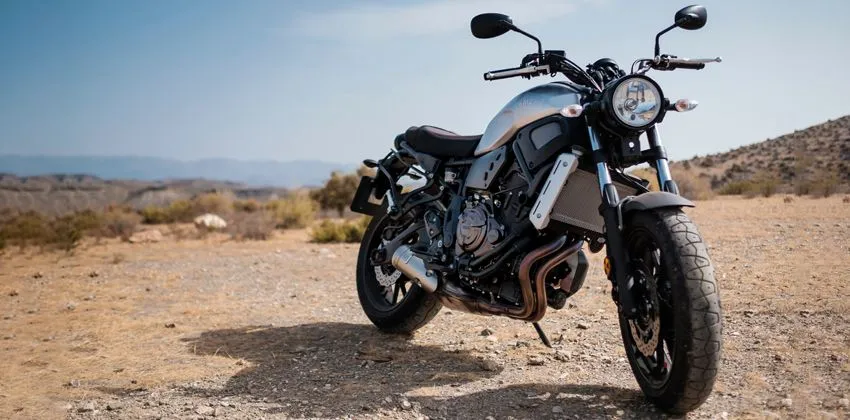
Practical Motorcycle Maintenance Tips for Daily Riders
A motorcycle can feel perfect on Monday morning and punish you by Friday if small problems go ignored. For daily riders, motorcycle maintenance tips are not weekend hobby advice; they are the difference between a smooth commute, a roadside delay, and a repair bill that bites harder than it should. In the U.S., where riders deal with hot city traffic, rough county roads, sudden rain, and long highway stretches, your bike needs steady attention more than dramatic repair work.
Good maintenance also protects the simple pleasure of riding. Nobody wants to start the day wondering whether the chain sounds rough, the tires look low, or the brakes feel a little off. A rider who checks the basics builds trust with the machine. That trust makes every trip calmer.
Trusted vehicle care resources can help riders think beyond quick fixes and focus on habits that prevent trouble before it starts. The goal is not to turn every rider into a mechanic. The goal is to know your bike well enough that small warning signs never stay silent for long.
Build a Daily Inspection Habit Before the Ride
Daily riders do not need a garage full of tools to protect their bikes. They need a repeatable inspection habit that takes a few minutes and catches the problems that grow fast. The best checks happen before the engine starts, while the bike is still quiet and honest.
Check Tires Like Your Ride Depends on Them
Tires carry every decision you make on a motorcycle. Braking, cornering, balance, and emergency reactions all pass through two small contact patches, so guessing on tire condition is a bad trade. A tire may look fine from five feet away and still be underinflated enough to make the bike feel heavy, vague, or unstable.
Pressure checks matter most when the tires are cold. A commuter in Phoenix, Dallas, or Atlanta may see pressure change across seasons, while a rider in Michigan or Pennsylvania may deal with cool mornings and warm afternoons. Those swings affect handling more than many riders expect. Use the pressure listed in the owner’s manual or on the bike’s label, not the maximum number stamped on the tire sidewall.
Tread deserves the same attention. Look for uneven wear, flat spots down the center, cracks near the sidewall, nails, glass, or strange bulges. A rear tire worn square from highway commuting will resist leaning into turns, which can make normal corners feel awkward. That is the bike talking back.
Read Fluid Levels Before They Become Problems
Fluids tell the truth before parts fail. Engine oil, brake fluid, coolant, and clutch fluid on some bikes all give early warnings if you know where to look. A quick glance before riding can reveal leaks, low levels, or color changes that deserve attention.
Engine oil is the one most daily riders think about, but they often check it the wrong way. Some bikes need to be upright, some need the engine warmed, and some use a sight glass instead of a dipstick. The owner’s manual matters here because the wrong method can make a healthy level look low. Adding oil based on a bad reading can create its own mess.
Brake fluid should look clean and sit within the marked range. Dark, dirty, or low brake fluid is not something to ignore until the next free weekend. In stop-and-go U.S. city traffic, brakes work hard every few blocks. A soft lever or low fluid level deserves immediate attention because braking is not an optional system.
Motorcycle Maintenance Tips That Prevent Expensive Repairs
Many riders spend money on accessories before they protect the parts that keep the bike alive. That is backward. Motorcycle Maintenance Tips matter most when they prevent wear that you cannot see until the bill arrives. The quiet jobs often save the most money.
Keep the Chain Clean, Adjusted, and Lubed
A chain works in a dirty neighborhood. It catches dust, grit, water, road salt, and grime from every mile. When that mess sits too long, it turns into grinding paste. The chain stretches faster, the sprockets wear unevenly, and the bike starts feeling rough during throttle changes.
Daily riders should clean and lube the chain on a routine based on use, not pride. A dry chain after rain needs care sooner. A bike used on dusty rural roads needs more attention than a weekend cruiser that stays on clean pavement. Chain maintenance is not glamorous, but it is one of the cheapest ways to keep power delivery smooth.
Slack also matters. Too tight, and the chain stresses the countershaft, bearings, and suspension movement. Too loose, and it can slap, jerk, or even derail under the wrong conditions. The correct slack range is printed in the manual for a reason. Measure it with the bike positioned as the manufacturer recommends, then adjust carefully.
Protect the Battery Before It Strands You
Motorcycle batteries do not always die with drama. Sometimes the first sign is a lazy starter on a cold morning, then nothing after work. Daily riders often assume frequent use keeps the battery healthy, but short trips with lights, electronics, and repeated starts can drain more than the charging system replaces.
Battery terminals should stay clean and tight. Corrosion around the posts creates resistance, and resistance creates starting trouble. A small brush and careful cleaning can prevent a lot of frustration. Riders in humid areas like Florida or the Gulf Coast should be extra watchful because corrosion can show up fast.
A battery tender helps if the bike sits for days at a time, especially during winter or rainy stretches. The counterintuitive part is that daily riders can still benefit from one if their rides are short. Ten minutes to work and ten minutes home may not be enough to recover from repeated starts, heated gear, or extra lights.
Ride Smoothly to Reduce Wear Every Mile
Maintenance does not happen only in the garage. The way you ride shapes how long your tires, brakes, clutch, chain, and suspension last. A rider with calm habits can keep a bike healthy longer than a rider who treats every green light like a drag strip.
Use Brakes With Intention, Not Panic
Brake pads wear faster when every stop becomes a surprise. Daily traffic can make that easy. A car cuts across the lane, a light changes late, or someone checks their phone at the worst moment. Still, smooth riders create space early and reduce pressure before the final stop.
Using both brakes properly keeps the bike balanced. The front brake provides most stopping power, but the rear brake adds stability at low speeds and in slow traffic. Riders who rely only on one brake often create uneven wear and weaker control. That habit shows up during emergency stops, when confidence matters most.
Listen for squeals, grinding, pulsing, or a lever that feels spongy. Those signs do not always mean disaster, but they mean the system needs attention. A rider commuting through Los Angeles traffic or New York streets may use the brakes hundreds of times per week. Small changes in feel are worth respecting.
Shift Cleanly and Spare the Clutch
A motorcycle clutch lives a hard life when the rider uses it as a comfort blanket. Holding the bike on a hill with the clutch, slipping it too long in traffic, or shifting with lazy timing all adds heat and wear. Smooth clutch work feels better, and it costs less over time.
Daily riders in hilly cities like San Francisco or Pittsburgh should learn strong rear-brake and throttle control instead of cooking the clutch at every incline. That does not mean riding stiff or nervous. It means giving each control a job and not making the clutch solve every awkward moment.
Clean shifting also protects the transmission and chain. Match your throttle inputs, avoid stomping through gears, and do not force shifts when the bike feels reluctant. A motorcycle rewards mechanical sympathy. It may not thank you out loud, but it shows gratitude through fewer repairs.
Schedule Deeper Service Before Problems Choose the Timing
Daily checks keep the bike safe today, but scheduled service keeps it dependable next month. Riders often delay deeper maintenance because the motorcycle still runs. That is a weak standard. A bike can run while parts wear, fluids break down, and adjustments drift away from where they should be.
Follow Mileage Intervals Instead of Memory
Service intervals exist because wear follows patterns. Oil changes, valve checks, air filter service, brake inspections, coolant replacement, and spark plug checks all happen on a schedule for a reason. Daily riders stack miles faster than they think, especially when errands, work trips, and weekend rides blend together.
A simple maintenance log solves the memory problem. Record the date, mileage, service performed, parts used, and anything unusual noticed. This helps you spot patterns before they become expensive. If your rear tire wears faster every season or your chain needs adjustment too often, the log will show it.
U.S. riders should also consider riding conditions. Dusty roads in Arizona, salty winter streets in the Northeast, and humid coastal air can shorten service windows. The manual gives the baseline, but your environment tells the rest of the story. Blindly following the longest interval is not always smart.
Know When a Shop Is the Better Choice
Doing your own maintenance can save money, but pride gets expensive when a job goes beyond your skill. Valve adjustments, brake bleeding, fork service, electrical diagnosis, and tire mounting may require tools, experience, or safety knowledge that many riders do not have yet.
A good independent motorcycle shop can be worth more than a cheap repair. Look for technicians who explain problems clearly, show worn parts when possible, and do not push unnecessary work. Riders in smaller U.S. towns may need to build that relationship early because the best shops get booked fast during spring and summer.
The unexpected truth is that paying for professional service can make you a better home mechanic. You learn what matters, what can wait, and what a trained eye catches. Over time, you build judgment. That judgment keeps your bike safer than guessing ever will.
Conclusion
A dependable motorcycle is not built by one big service day each year. It is built through small decisions repeated until they become normal. Check the tires before they scare you. Watch fluids before leaks grow. Clean the chain before it grinds itself tired. Ride in a way that respects the machine instead of fighting it every mile.
Daily riders have the most to gain because they expose their bikes to constant heat, traffic, rain, dust, and vibration. That regular use is not a problem by itself. Neglect is the problem. When motorcycle maintenance tips become part of your routine, the bike stops feeling fragile and starts feeling familiar.
Start with the next ride, not the next repair. Spend five minutes looking over the motorcycle before you leave, then write down one service item you have been avoiding. Handle that item this week. A safer, smoother bike begins with the rider who notices what others ignore.
Frequently Asked Questions
How often should daily riders check motorcycle tire pressure?
Check tire pressure at least once a week and before longer rides. Daily riders should also check after big temperature changes because pressure can shift with the weather. Always measure when tires are cold and follow the pressure listed in the owner’s manual.
What motorcycle fluids should I check most often?
Engine oil, brake fluid, and coolant deserve regular attention. Some motorcycles also use clutch fluid. Look for low levels, dark fluid, leaks, or sudden changes. Fluid problems often show up before major parts fail, so quick checks can prevent expensive damage.
How do I know if my motorcycle chain needs adjustment?
A chain may need adjustment if it has too much slack, feels jerky during throttle changes, slaps while riding, or shows uneven tension. Measure slack according to the owner’s manual. A chain that needs constant adjustment may be worn out.
Is it bad to ride a motorcycle every day?
Daily riding is not bad for a motorcycle when maintenance stays consistent. In fact, regular use can keep some parts active and healthy. Problems begin when riders ignore tires, fluids, chain care, brakes, and scheduled service while adding miles quickly.
How often should I lube a motorcycle chain?
Many riders lube the chain every 300 to 600 miles, but rain, dust, and dirty roads can shorten that window. Clean the chain when grime builds up, then apply the correct chain lube. A clean chain lasts longer and feels smoother.
What are signs my motorcycle brakes need service?
Watch for squealing, grinding, weak stopping power, pulsing, low brake fluid, or a soft lever. Any change in brake feel deserves attention. Daily riders use their brakes often, so pads and fluid can wear faster than expected.
Should I warm up my motorcycle before riding?
Let the engine settle briefly after startup, then ride gently until it reaches normal operating temperature. Long idle sessions are usually unnecessary for modern motorcycles. Smooth riding during the first few miles protects the engine better than revving a cold bike.
What maintenance should beginner motorcycle riders learn first?
Beginners should learn tire pressure checks, oil level checks, chain cleaning, chain lubrication, light inspection, and brake feel checks. These skills build confidence without requiring advanced tools. Once those habits feel normal, deeper service tasks become easier to understand.