
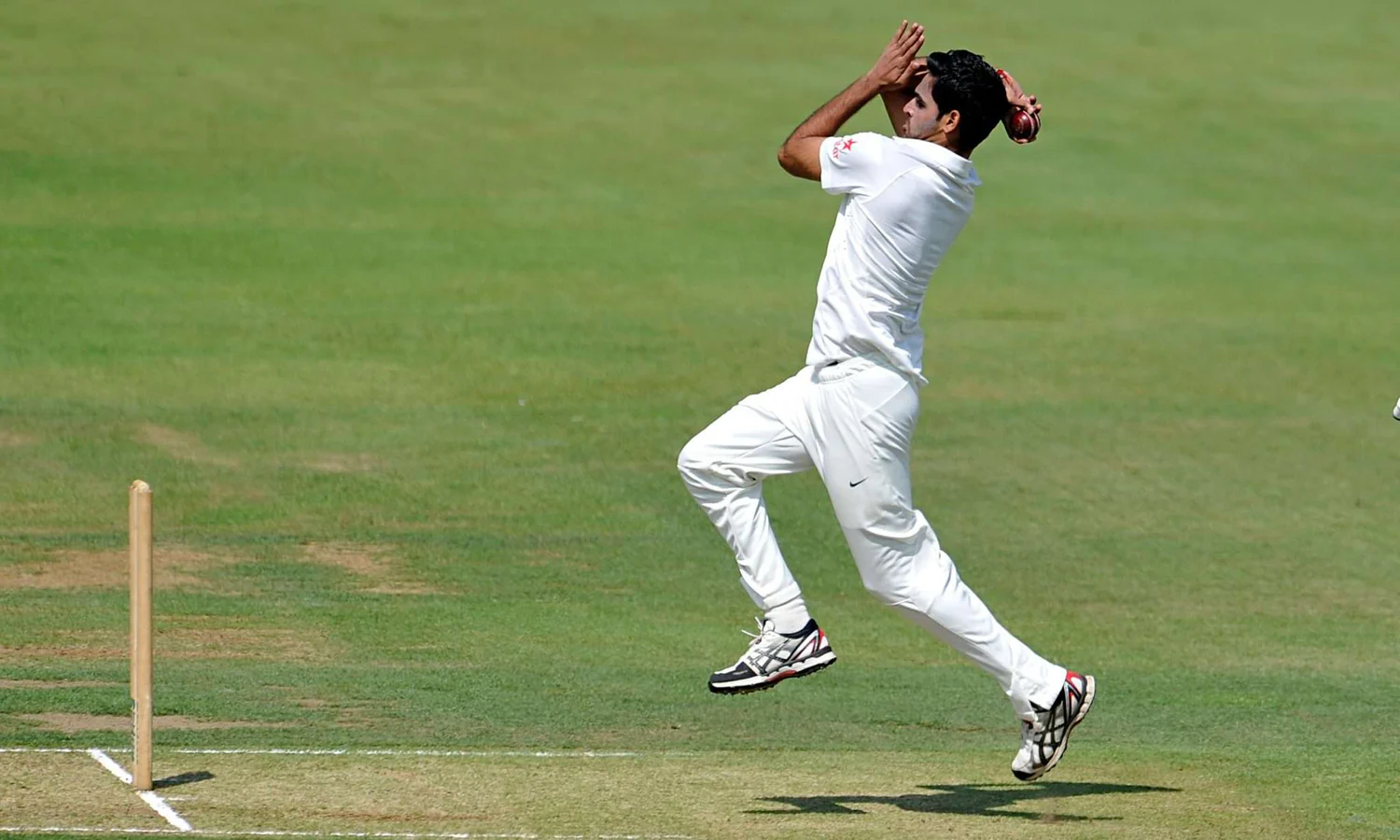
Simple Cricket Bowling Drills for Better Line Control
A bowler can have pace, swing, confidence, and a flashy run-up, but none of it matters much when the ball keeps drifting into easy scoring zones. Young players in American cricket clubs often learn this the hard way because wickets here can vary from matting surfaces to public-park turf, and control becomes the one skill that travels everywhere. Cricket bowling drills give you a practical way to build that control without turning practice into guesswork.
Line is not a mystery gift. It is trained through repeatable movement, honest feedback, and small targets that punish lazy habits. A bowler who can hit a corridor near off stump six times out of ten is already harder to face than someone who bowls one magic ball and five loose ones. For more sports development ideas and practical training content, local cricket players in the USA can use simple guidance that fits real practice spaces, not only perfect academy nets.
Better line starts before the ball leaves your hand. It begins with how you approach the crease, where your front foot lands, how your head stays still, and whether your eyes trust the target long enough.
Why Better Line Control Starts Before the Release
Most bowlers blame the wrist when the ball goes wrong, but the mistake often begins three steps earlier. Your body has already voted before your fingers finish the delivery. If your run-up drifts sideways, your shoulders open early, or your front leg collapses, the ball has to fight through a mess on its way to the pitch.
This is why bowling line control improves fastest when you stop treating every bad ball as a hand problem. The hand matters, yes, but it follows the body. A youth bowler in a weekend league in New Jersey may think he is missing off stump because of grip, when the real issue is landing his front foot toward midwicket. That small angle changes the whole delivery path.
How Does Your Run-Up Shape Accuracy?
A run-up should feel boring in the best way. Same start point. Same pace. Same final three steps. When the approach changes every ball, the release point changes with it, and the batter gets free gifts.
Mark your run-up with two clear spots: where you begin and where your gather starts. Many bowlers only mark the start, then wonder why the rhythm falls apart near the crease. The gather mark tells you whether your approach stayed honest or started chasing speed too soon.
Try a walk-through drill before full pace. Take your normal run-up at half speed and bowl at a single target on a good length outside off stump. Do not care about pace. Care about whether your feet land in the same pattern each time. This is cricket accuracy practice stripped down to the part most players skip.
The counterintuitive part is that slower practice often exposes more truth than fast practice. At full speed, you can hide behind effort. At half speed, every wobble shows up.
Why Front-Foot Alignment Controls the Ball Path
Your front foot is the gate the ball travels through. When it lands across your body, you block your own shoulder and drag the ball leg side. When it lands too open, you leak width and lose shape. A good landing gives your arm room to come through the intended channel.
Place a flat marker, shoe, or strip of tape just behind the popping crease. Aim to land your front foot beside it rather than across it. This gives you a visual check without needing a coach to stop every ball and explain what happened.
A common mistake in U.S. recreational cricket is practicing on uneven park surfaces and letting the body adjust in random ways. That may feel harmless, but it trains survival instead of repeatability. On rough ground, shorten the run-up and protect the action first. Speed can wait.
Once your foot lands in a cleaner lane, your arm has less correction to do. That is when line stops feeling like luck and starts feeling like ownership.
Simple Cricket Bowling Drills That Build a Reliable Target Zone
Good practice needs pressure, but it also needs clarity. A bowler cannot improve by hearing “bowl better areas” for an hour. Better areas must become visible. Targets give the brain something firm to chase, and the body starts adjusting with less overthinking.
The best drill setup is not fancy. A cone, towel, chalk mark, or folded batting glove can teach more than a long lecture. The goal is to train a repeatable channel where the batter has to make decisions instead of receiving easy scoring balls.
What Is the Best Target Drill for Bowling Line Control?
Set one target on a good length in the fourth-stump channel. For a right-handed batter, that means outside off stump, close enough to draw a shot, not wide enough to leave without thought. Bowl six balls and count only the ones that pass through the target zone.
Use a simple scoring rule. Three points for hitting the target. Two for landing within a shoe-length. One for forcing the batter to play. Zero for anything too straight, too wide, or too short. This turns vague effort into measurable bowling line control.
A high school player practicing after classes in Dallas does not need a full coaching staff for this. He needs six balls, a target, and the honesty to record what happened. Numbers remove excuses. If the score is seven out of eighteen, the session has spoken.
The surprise is that a smaller target is not always better. Beginners often need a target lane, not a coin-sized spot. A lane builds confidence and rhythm first. Precision can tighten later.
How Can Two-Stump Practice Improve Your Channel?
Remove middle stump from the picture in your mind. Aim between off stump and a marker set wider outside it. This creates a channel instead of a single point. It teaches you to threaten the edge without drifting into harmless width.
Two-stump practice works well because it copies match pressure. Batters rarely get out because the bowler hit a magic dot. They get out because the bowler held a channel long enough to force a mistake. That patience is a skill.
Use this drill in sets of twelve balls. The first six are normal pace. The next six are slightly slower, but with the same arm speed. This helps you understand whether your line survives a change of pace. Many bowlers lose direction the moment they try a cutter or slower ball.
Target bowling drills should make you uncomfortable in a useful way. If you can hit the zone only with your stock ball, your control is not match-ready yet. The batter will notice.
Training Your Wrist, Seam, and Release Without Overthinking
The release is where small details become visible. A tilted wrist can send the ball down leg. A lazy seam can turn a good ball into a floating half-volley. Still, bowlers can ruin themselves by thinking about ten technical points during one delivery.
Keep the release work narrow. Choose one cue at a time. Seam upright. Wrist behind the ball. Fingers finishing toward the target. One cue gives the body a chance to learn. Five cues turn the run-up into a traffic jam.
Why Seam Position Gives Instant Feedback
The seam tells the truth in the air. If it wobbles every ball, your fingers are not leaving the ball cleanly. If it stays upright but the line is poor, your body alignment may be the bigger issue. That difference matters.
Practice with a red or white seam ball where the seam is easy to see. Bowl from a shorter run-up and watch the seam for the first half of its flight. Do not chase swing yet. A steady seam is the foundation before movement becomes useful.
For a simple cricket accuracy practice session, bowl three sets of eight balls. In the first set, focus only on seam position. In the second, focus only on landing zone. In the third, combine both. This keeps the brain from carrying too much at once.
One odd truth: a ball with less effort often has a cleaner seam. Bowlers who force pace sometimes squeeze the ball at release. The seam wobbles, the wrist stiffens, and the line follows the tension.
How Do You Train Wrist Direction Under Pressure?
Your wrist should finish toward the target, not across your body. A strong cue is to “shake hands with the keeper” after release. It sounds simple, but it helps the arm travel straight through the delivery.
Use a kneeling drill to isolate the upper body. Kneel on your back knee, place the front foot forward, and bowl gently at a wall target or net target. This removes the run-up and shows whether your wrist and fingers can send the ball straight without help from momentum.
Then stand and bowl from three walking steps. Keep the same wrist cue. The point is not to stay in drill mode forever. The point is to carry the clean feeling back into your full action.
Run-up rhythm comes back into the picture here because the wrist often fails when the body rushes. If your last two steps speed up suddenly, your hand has to catch up. That is when line disappears late.
Turning Practice Control Into Match Control
A bowler can look sharp in nets and still lose the plot in a game. Matches add noise. Batters move around. Teammates shout advice. One boundary can make you chase a perfect comeback ball. Control under pressure is not automatic. It has to be trained.
The gap between practice and match bowling is decision-making. You are not only trying to hit a line. You are trying to choose the right line again after the batter changes the problem. That is where good training becomes useful.
How Should You Practice With Batter Cues?
Add a batter, even if they are only shadow batting. Ask them to stand in guard positions: middle, leg stump, then outside off. Your job is to keep the same channel while their stance tries to pull your eyes away.
This drill matters because batters disturb bowlers without touching the ball. A batter who shuffles across can make you aim at the body instead of the stumps. A batter who backs away can tempt you into bowling too wide. Discipline means your target survives their movement.
Use six-ball scenarios. Tell yourself the field has a deep square leg, cover, and slip. Now bowl to that field. This makes target bowling drills feel less like schoolwork and more like match thinking.
A league bowler in Chicago may not get many long net sessions before Sunday games. Short scenario sets help because they train the exact pressure that shows up on match day. Practice should not feel cleaner than cricket actually is.
How Can You Review Each Over Without Losing Confidence?
After every practice over, write one sentence. Not a speech. One sentence. “Missed wide when I rushed.” “Good channel when head stayed still.” “Slower ball pulled to leg.” This gives you a record you can use next time.
Do not judge the whole session by the best ball. Bowlers love remembering the one delivery that beat the outside edge. Coaches notice the other five. A mature bowler learns from the pattern, not the highlight.
Run-up rhythm should be part of that review because it connects the whole action. If your first three overs are tight and the fourth goes loose, fatigue may be changing your approach. That is useful information, not failure.
Cricket Bowling Drills become valuable when they help you trust one repeatable plan under pressure. The bowler who owns a channel can build spells, set fields, and make batters take risks they did not want to take. Start with one target, one cue, and one honest scorecard, then let the work grow from there. Your next over should not depend on hope; it should come from a line you have trained until it feels like home.
Frequently Asked Questions
What are the best bowling drills for beginners in cricket?
Beginners should start with target-zone drills, half-run-up bowling, and front-foot alignment practice. These drills teach control before speed. A young bowler should aim for repeatable movement first because pace without direction usually creates easy scoring chances for the batter.
How can I improve bowling line control at home?
Use a soft ball, wall target, or taped floor marker to practice wrist direction and release. Keep the target small enough to demand focus but large enough to stay realistic. Short, clean sessions work better than long practice with tired movement.
How many balls should I bowl during accuracy practice?
Most bowlers improve well with focused sets of 24 to 48 balls. Quality matters more than volume. Stop before your action breaks down because tired, careless bowling teaches the body habits you will have to fix later.
Why do I keep bowling down the leg side?
Leg-side misses often come from a front foot landing across the body, early shoulder rotation, or a wrist that closes at release. Check your alignment before changing your grip. The problem may start before the ball leaves your hand.
Are target bowling drills useful for fast bowlers?
Fast bowlers need target work as much as swing or pace work. Speed becomes dangerous when it lands in a testing channel. A fast loose ball may look impressive, but a fast accurate ball changes the whole over.
How can young cricketers practice without a full net?
Young players can use cones, chalk marks, tape, or a folded towel as a target on safe ground. A wall can help with wrist drills, while a small open area works for walk-through bowling. Safety and repeatability matter most.
Should I practice line or length first?
Line and length work together, but many bowlers benefit from learning a clear target channel first. Once the ball travels in the right direction, length becomes easier to judge. Trying to fix everything at once slows progress.
How long does it take to improve bowling accuracy?
A bowler can feel cleaner control within a few sessions, but match-ready accuracy takes weeks of honest repetition. Track each practice over, keep one technical cue, and review misses without panic. Small improvements stack faster than dramatic changes.