
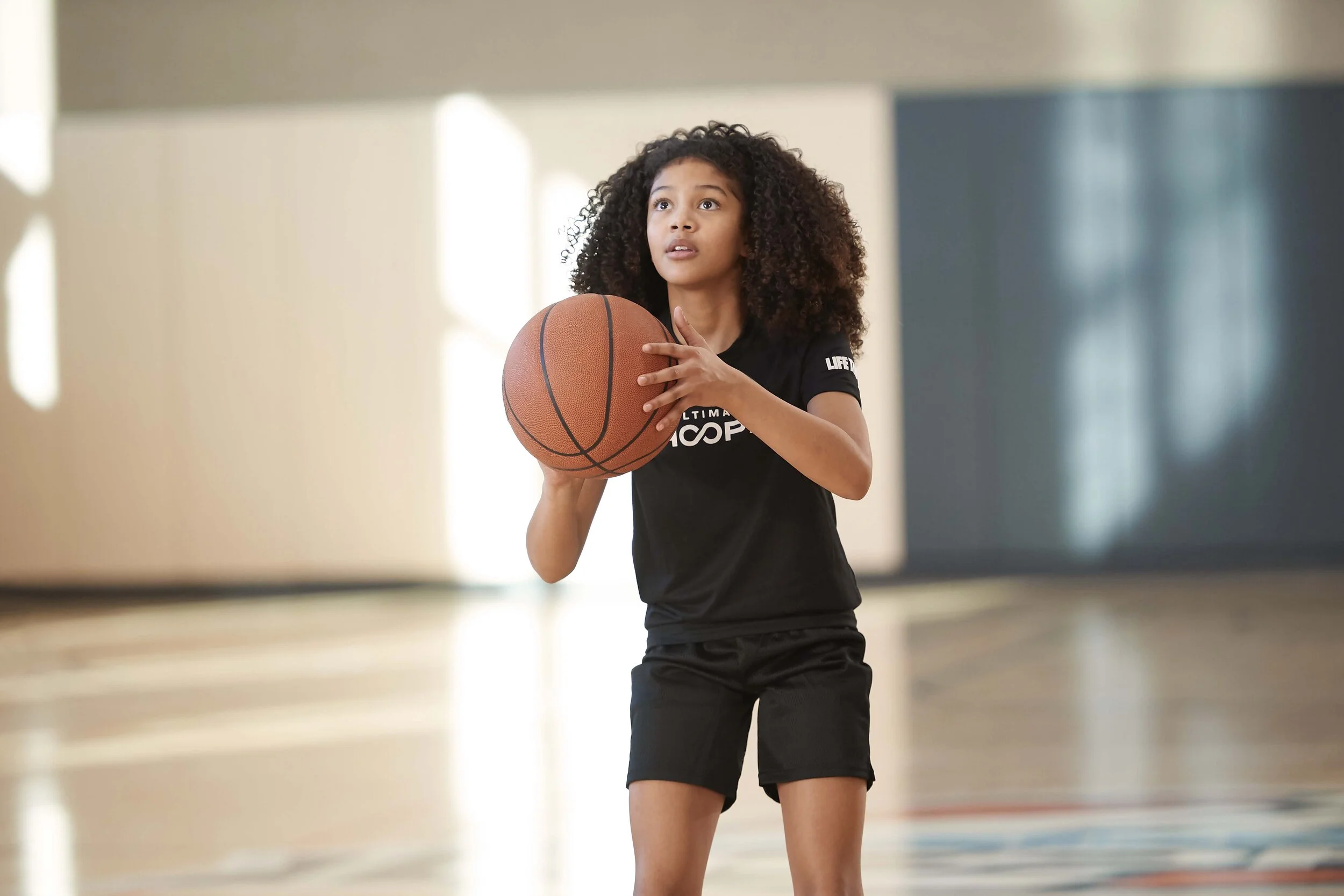
Practical Basketball Shooting Tips for Better Court Accuracy
A good shot never starts at the rim. It starts in your feet, your eyes, your pace, and the small habits you repeat when nobody is clapping. Most players search for Basketball Shooting Tips after a rough game, but the better move is to treat accuracy like a skill system, not a lucky touch. That is why trusted training resources, local coaching advice, and practical sports development spaces like athlete growth support matter for players who want steady progress instead of random hot streaks.
Across American gyms, driveways, school courts, and rec centers, the same truth shows up every week. The player who shoots well under pressure is rarely the one with the prettiest release in warmups. It is the one who can repeat clean habits while tired, rushed, guarded, and slightly frustrated. Accuracy is not magic. It is memory built through honest reps.
Build Your Shot From the Ground Before You Chase the Rim
Better shooting begins below the waist, which feels unfair to players who only want to fix their hands. The ball leaves your fingers, yes, but the shot gets its first message from your stance, balance, and timing. When those pieces wobble, the release has to rescue the whole attempt.
Why footwork decides more shots than your wrist
Your feet tell your body whether the shot is calm or rushed. A player who catches the ball with crossed feet, drifting hips, or a narrow base has already made the shot harder before the ball reaches the pocket. The rim sees the mistake late, but the mistake started early.
A solid base does not mean standing stiff. It means landing with your feet ready to load, turn, and rise without a pause that kills rhythm. Watch a good high school guard in Texas or Illinois during warmups, and you will notice the same pattern. Their feet arrive before the ball settles. That tiny timing gap creates smooth power.
The counterintuitive part is that “square to the rim” does not always mean perfect toes-straight alignment. Many strong shooters use a slight turn because it frees the shoulder and keeps the elbow path clean. Forced symmetry can make a natural shooter feel trapped.
How balance protects court accuracy under pressure
Court accuracy depends on whether your body can stay organized when the game gets messy. Open shots in an empty gym lie to you because they remove contact, noise, and decision speed. Game shots do not offer that kindness.
Balance is not only about landing in the same place. It is about controlling the small drift that happens when you catch on the move, stop near the wing, or rise after a hard cut. A player who floats backward on every jumper may still make shots alone, but that habit breaks when a defender contests from the front.
Try this simple test during practice. Shoot ten mid-range jumpers and freeze your landing for one second after each release. If you cannot hold the finish, the ball probably had to fight through extra movement. The shot may go in, but it is not dependable yet.
Fix the Ball Path Without Overthinking Your Hands
Once the base is steady, the next battle is the ball’s path. Many players panic over finger placement while ignoring the bigger issue: the ball travels differently every time. Clean shooting feels simple because the ball follows a path your body understands.
What shooting form should feel like, not look like
Shooting form gets overcoached when players try to copy a star frame by frame. Stephen Curry, Sabrina Ionescu, and Devin Booker do not shoot the exact same way, yet each has a repeatable pattern. The shared trait is not identical appearance. It is clean energy moving from floor to fingertips.
Your guide hand should support the ball, then get out of the way. Your shooting hand should finish through the center of the ball without a side spin that turns a good look into a rim-out. The elbow does not need to look like a diagram, but it should move in a path that sends the ball straight.
A practical cue helps more than a long checklist. Think “lift and reach” instead of “elbow in, wrist back, fingers spread, shoulder set.” Too many commands jam the mind during a live shot. One clean cue survives pressure.
Why jump shot mechanics break when players rush
Jump shot mechanics usually fall apart when the lower body and upper body stop talking to each other. The knees rise late, the ball starts early, or the release waits too long at the top. That split second creates a hitch, and the hitch invites misses.
Players often think rushing means shooting too fast. Sometimes it means starting at the wrong time. A late pocket can make a normal release feel hurried because the defender has already closed space. A good shooter catches ready, lifts smoothly, and releases before the body starts falling.
This is where video helps, even from a phone propped against a water bottle. Record five shots from the side and five from the front. Do not hunt for perfection. Look for one thing: does the ball pause, dip too low, or travel sideways before release? That single answer can save weeks of guessing.
Practice Like the Game Is Going to Argue Back
A clean shot in practice means little if the drill never challenges timing, fatigue, or attention. Game pressure does not ask whether your shot looked good at 4 p.m. in an empty gym. It asks whether your body can repeat the shot after sprinting, stopping, reading, and choosing.
Why make-count drills beat casual shooting
Casual shooting feels productive because the ball keeps moving. A player can take 200 shots and leave with no clear proof of improvement. Make-count drills create pressure because every miss has a consequence.
Set a goal like seven makes from each corner, wing, and top spot before moving on. Track the number of attempts, not only the makes. A player who needs 14 shots to make seven today and 10 shots next week has real evidence of progress.
The unexpected benefit is emotional. Make-count drills teach players to stay calm after two misses. That matters because games rarely reward panic. A shooter who learns to recover inside a drill is building more than touch.
How a free throw routine trains the whole shot
A free throw routine looks small, but it can steady the entire shooting mind. The line removes defense, movement, and angle. What remains is honesty. You either repeat your process or you negotiate with doubt.
The routine should be short enough to survive pressure. Two dribbles, breath, eyes, lift, release. That kind of pattern gives the brain a familiar track when the gym gets loud. In a packed Friday night game in Ohio or Georgia, that familiarity can feel like a private room.
A free throw routine also exposes hidden flaws. If your misses scatter left, right, short, and long, the issue is not one bad bounce. It may be grip pressure, rushed breathing, or a release that changes with nerves. The line tells the truth without needing drama.
Learn Shot Selection Before You Blame Your Touch
Accuracy improves when players stop treating every open look as a good shot. The best shooters are not only better at releasing the ball. They are better at choosing attempts their body can own. Bad shot selection disguises itself as a shooting slump.
Why “open” does not always mean smart
An open shot with poor rhythm can be worse than a lightly contested shot in your favorite pocket. Players learn this the hard way when they fire a quick three after standing still for six possessions. The defender may be late, but the body is not ready.
Smart shot selection asks sharper questions. Did you catch in balance? Were your feet prepared? Is this a range you make in practice with a real percentage? Does the clock demand this shot, or are you settling because the ball found you?
The quiet truth is that discipline raises percentages faster than extra reps sometimes. A player who removes five low-quality shots per game may look like a better shooter without changing the release at all. Selection cleans the stat sheet before mechanics even enter the room.
How to build confidence without forcing shots
Confidence should come from proof, not mood. A player who “feels good” but has not trained the shot under real conditions is borrowing belief. Borrowed belief gets expensive in the fourth quarter.
Build a personal shot map. Track makes from the corners, wings, top, elbows, short corners, and free throw line. After two weeks, patterns will appear. Maybe the left wing is strong, the right corner is shaky, and pull-ups going left beat pull-ups going right. That map gives your confidence a job.
Coaches across U.S. youth leagues often value players who understand their spots because those players fit into offenses faster. They do not hijack possessions to prove something. They take the shots they have earned, then expand the map through practice.
Conclusion
Great shooters are not born from one perfect drill or one secret cue. They are built through a chain of small choices that hold up when the court gets loud. Feet arrive early. The ball path stays clean. Practice includes pressure. Shot selection respects the moment instead of feeding the ego.
That is why Basketball Shooting Tips only matter when you turn them into habits you can measure. Pick one part of your shot this week and train it with care. Do not fix five things at once. Start with balance, then ball path, then pressure, then selection. A shooter who improves in that order becomes harder to guard because the improvement is not fragile.
Your next workout should have a clear target before the first shot leaves your hand. Track your makes, protect your rhythm, and earn the kind of accuracy that follows you from the driveway to the final possession.
Frequently Asked Questions
What are the best basketball shooting drills for beginners?
Start with close-range form shots, then add five-spot shooting from mid-range. Beginners should focus on balance, clean release, and repeatable rhythm before moving deeper. Track makes instead of rushing through attempts, because early progress depends on control more than volume.
How can I improve shooting accuracy in basketball at home?
Use a driveway hoop or local park court with simple make-count goals. Shoot from the same spots each session and record attempts needed to hit your target. Home practice works best when it feels structured, not random.
Why do I keep missing short on my jump shot?
Short misses often come from weak leg drive, a late release, or fading backward. Check your landing first. If you cannot hold balance after release, your shot may be losing power before the ball reaches the rim.
How many shots should I take each day to get better?
Quality matters more than a giant number. A focused player can gain more from 100 tracked shots than 300 careless ones. Use makes, locations, and pressure goals so every shot teaches you something.
What is the right hand position for better shooting?
Your shooting hand should sit under and slightly behind the ball, with relaxed fingers and steady pressure. The guide hand should support the side without pushing. A clean follow-through usually matters more than forcing an exact grip.
How do I stop rushing my shot during games?
Prepare your feet before the catch and keep your eyes calm. Rushing often starts before the ball reaches your hands. Practice catch-ready reps with a defender closing out so your body learns speed without panic.
Are free throws good for improving overall shooting?
Free throws train rhythm, breathing, touch, and mental control. They also reveal small flaws because no defender or movement hides the miss pattern. A steady routine at the line can carry into jumpers during live play.
How can young players build confidence as shooters?
Confidence grows when young players see proof. Track favorite spots, celebrate better attempts, and avoid comparing every shot to older athletes. A player who understands progress will stay patient long enough to become reliable.