
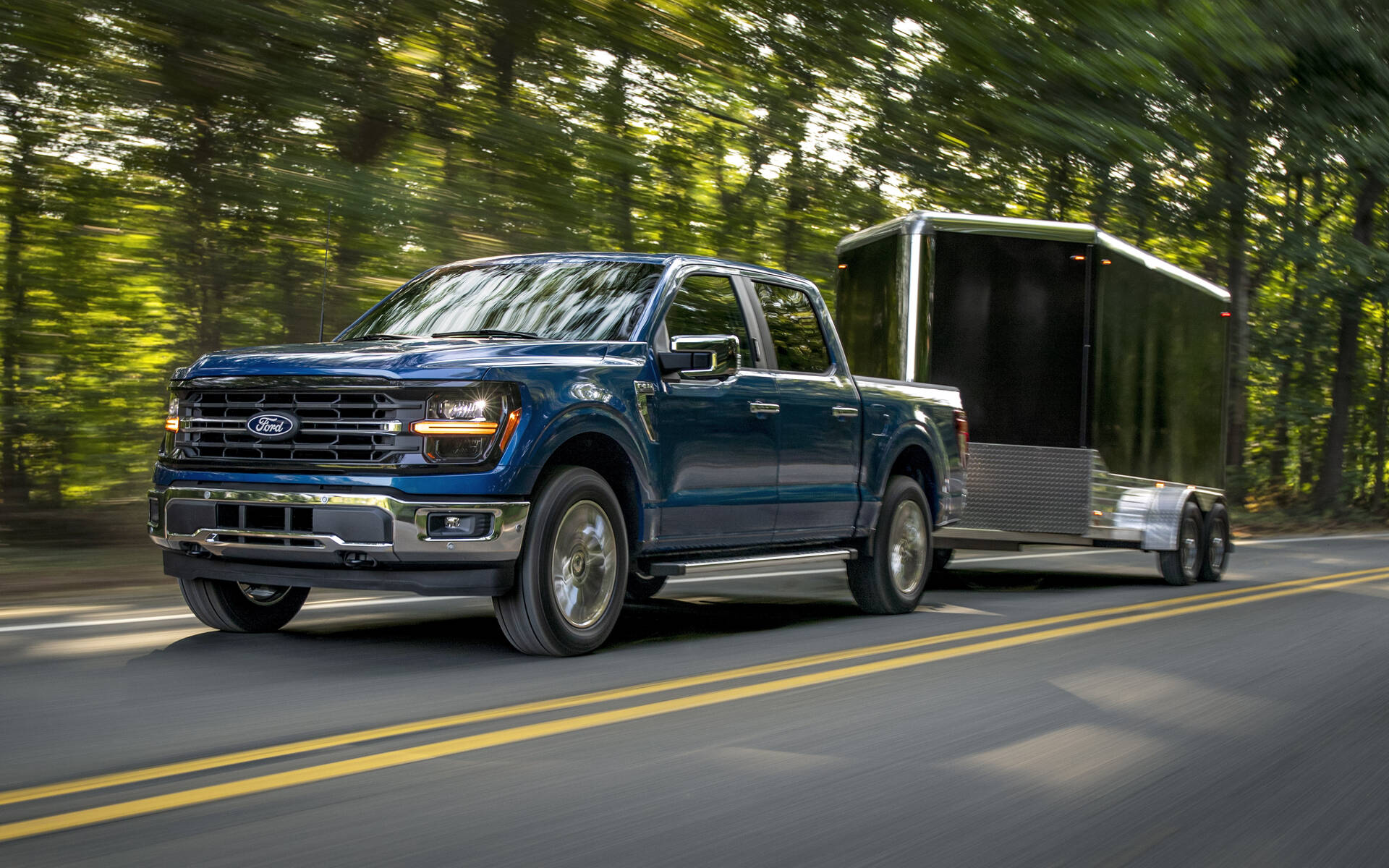
Smart Pickup Truck Tips for Workday Performance
A pickup can make money in the morning and waste it by lunch if you treat it like a rolling junk drawer. Smart pickup truck tips start with one honest idea: your truck is not only transportation, it is part tool, part office, part storage room, and part safety system. For many American contractors, landscapers, ranch hands, delivery crews, and weekend side-hustlers, a truck that feels “fine” can still be costing time through poor loading, skipped checks, weak organization, or rough driving habits. That gap matters when your day already starts before traffic clears. Good truck habits are less about babying the vehicle and more about making every mile, stop, haul, and jobsite arrival less painful. If you build your work routine around clear systems, trusted maintenance cues, and practical planning, your truck starts feeling like a partner instead of another problem on the schedule. For more business-minded auto and work-life insights, resources like professional performance planning can help connect daily habits with smarter results.
Build Pickup Truck Tips Into Your Morning Work Routine
A strong workday starts before the key turns. Most truck problems do not begin as dramatic breakdowns on the shoulder; they begin as small ignored signals in the driveway. A soft tire, messy bed, missing strap, loose hitch pin, or half-empty fluid reservoir can turn a clean schedule into an expensive delay. The smartest drivers make inspection boring, fast, and repeatable.
Why a Five-Minute Walkaround Saves More Than Repairs
A work truck tells you plenty before you drive it. Tires show load stress, fluids show neglect, lights show whether other drivers can read your moves, and the bed shows whether yesterday’s rush became today’s risk. A five-minute walkaround catches the kind of trouble that never feels urgent until it steals half a day.
A carpenter in Ohio heading to a remodel with a bed full of trim cannot afford to discover a low rear tire after loading plywood, ladders, and toolboxes. That tire may still roll, but heat builds faster under weight. By the time the truck hits highway speed, a small pressure issue can become a shredded tire and a missed first hour on site.
The counterintuitive part is that morning checks are not mainly about the truck. They are about your attention. When you slow down long enough to inspect the machine, you also reset your own pace before the day starts pushing you around.
Work Truck Maintenance Starts With Pattern Recognition
Good work truck maintenance is less about memorizing every part and more about noticing what changed. A new vibration, slower crank, strange smell, rough shift, or uneven brake feel means the truck is speaking early. Drivers who catch patterns early usually spend less than drivers who wait for proof.
A Florida lawn care owner may notice the truck takes longer to cool after towing mowers in August. That detail matters. Heat punishes transmissions, brakes, batteries, and cooling systems. Waiting until the temperature gauge climbs is like waiting until smoke fills a kitchen before caring about the stove.
Keep a small note in your phone for recurring changes. Write down dates, mileage, weather, load, and symptoms. This habit turns vague worry into useful evidence when you talk to a mechanic, and it helps you avoid paying for guesswork.
Load Smarter Before the Truck Ever Moves
A pickup bed can hide bad decisions under tarps, boxes, and “good enough” tie-downs. Loading is not a strength contest. It is balance, restraint, and common sense applied before momentum gets involved. The best setup keeps the truck stable, protects tools, and lets you reach what you need without digging through a steel cave.
Truck Payload Management Protects More Than the Suspension
Truck payload management starts with respecting the numbers on the door sticker, not the confidence in your gut. Payload includes passengers, tools, fuel, cargo, add-ons, and anything else the truck carries. Many drivers overload without meaning to because each item feels harmless on its own.
A Texas fencing crew might load posts, concrete bags, fuel cans, auger bits, coolers, and two workers into one half-ton pickup. Nothing looks outrageous by itself. Together, the weight can change steering, braking distance, rear suspension travel, and tire heat. The truck may still move, but it no longer reacts the way the driver expects.
Place heavier items low and closer to the cab when possible. Secure long materials so they cannot slide during braking. Keep sharp tools away from plastic fuel containers, and never let loose cargo become a projectile. A clean bed is not about looks. It is about control.
Jobsite Truck Setup Should Match the Day’s First Task
A smart jobsite truck setup saves time because it removes tiny repeated delays. The tool you need first should not sit buried under the tool you need last. Crews lose real minutes by opening the same boxes, moving the same bags, and stepping around the same clutter all day.
For a roofing repair call in Denver, the first layer might include cones, harnesses, ladder stabilizers, tarps, and fasteners. The deeper layer might hold backup tools and extra material. That setup respects the order of the job instead of treating the bed like a pile.
The unexpected lesson is that organization should change by job type. A truck set up for plumbing service should not look like one set up for landscaping, snow removal, or mobile detailing. Fixed storage helps, but flexible zones help more when the work changes by season.
Drive Like the Truck Is Carrying Your Reputation
Your driving style follows you into every job. Clients see the truck before they see the invoice, and other drivers judge the business name on the door before they know the person behind the wheel. Hard launches, late braking, sloppy turns, and loose cargo do more than wear parts. They make the whole operation look careless.
Towing Safety Tips Begin Before the Trailer Hooks Up
Useful towing safety tips start before the hitch ball meets the coupler. Match the trailer weight to the truck, check the tongue weight, confirm the safety chains cross under the coupler, test the lights, and inspect the breakaway cable when equipped. A rushed hookup is one of the easiest ways to create a road problem that was avoidable.
A small construction crew hauling a skid steer across suburban Atlanta cannot treat towing like normal driving with extra length. The trailer pushes during stops, widens turns, and reacts to wind. Even a familiar route feels different when a loaded trailer changes the truck’s center of gravity.
Brake earlier than pride wants you to. Leave more room than traffic seems to allow. Use tow mode when your truck offers it, and avoid sudden steering corrections. The driver who looks slow and steady often arrives with fewer surprises.
Smooth Inputs Keep Parts Alive Longer
A truck under load hates drama. Hard braking heats pads and rotors. Fast cornering shifts cargo. Sudden throttle burns fuel and strains driveline parts. Smooth driving feels less exciting, but it gives the truck a better chance to work all week without complaint.
This is where pickup truck tips become money habits. A driver who eases into throttle, scans farther ahead, and avoids panic stops saves brakes, tires, fuel, and suspension wear. Those savings rarely show up as one big victory. They show up as fewer shop visits and less downtime.
The best work drivers are not timid. They are calm. They understand that control beats aggression, especially when the bed is loaded, the trailer is attached, or the weather turns ugly on a two-lane road outside town.
Keep the Cab Ready for Real Work, Not Clutter
The cab is where plans change, calls happen, receipts vanish, and small frustrations pile up. A messy cab does not only look bad. It slows decisions. It hides paperwork, damages tools, distracts the driver, and turns every stop into a search mission. Treat the cab like a command center, and the whole day gets cleaner.
Paperwork, Charging, and Small Gear Need Assigned Homes
A glove box full of old receipts, dead pens, spare fuses, fast-food napkins, and random bolts is not storage. It is delay with a latch on it. Work trucks need simple zones for documents, charging cables, safety gear, and small tools that must stay within reach.
A mobile HVAC tech in Arizona may need work orders, invoices, warranty sheets, a tablet charger, gloves, eye protection, and spare markers every day. If those items live in random cupholders and seat pockets, the cab becomes another job. A small document folder, center-console organizer, and labeled pouch can fix most of that.
Work truck maintenance also belongs in the cab through records. Keep service receipts, tire rotations, oil changes, and warranty notes organized. When a problem returns, those records protect you from guessing and help shops see the truck’s history faster.
Jobsite Truck Setup Continues Inside the Cab
The outside of the truck carries equipment, but the inside carries decisions. A strong jobsite truck setup includes what the driver needs during the first ten minutes after arrival: parking pass, site contact, gloves, flashlight, safety vest, tape measure, phone mount, and water. Small readiness keeps you from starting the job annoyed.
Many drivers focus on bed storage while ignoring cab flow. That is backward when the cab controls communication and safety. A blocked mirror, loose bottle, sliding clipboard, or phone tossed on the seat can become a real distraction during a hard stop.
Keep the driver area clean enough that nothing moves under the pedals. Store heavier handheld tools behind the seat or in secured compartments. The cab should feel ready, not empty. There is a difference.
Plan Fuel, Tires, and Stops Around the Actual Workday
Work trucks rarely fail in perfect conditions. They suffer in heat, traffic, mud, gravel, cold starts, construction zones, and repeated short trips. Planning around those realities turns the truck from a reactive expense into a predictable part of the operation. The goal is not perfection. The goal is fewer ugly surprises.
Fuel Strategy Matters More When Routes Change
Fuel habits reveal how well you understand your day. Running near empty may feel harmless in town, but it creates stress when a job runs late, traffic backs up, or the next site sits farther out than planned. A low tank also encourages rushed stops at bad moments.
A contractor leaving Kansas City for two rural service calls should not assume every small town station has the right diesel pump, trailer space, or easy entry. Planning fuel around the route protects time and prevents awkward turns with a loaded truck.
Better fuel planning also helps crews track operating costs. Mileage changes can point to tire pressure issues, dragging brakes, poor loading, roof racks, or aggressive driving. Fuel economy is not only a number. It is a clue.
Tires Carry the Day Before the Engine Does
Tires are easy to ignore because they are always there, quietly taking abuse. Yet every load, stop, turn, and pothole passes through four contact patches. For work use, tire condition matters as much as horsepower.
Truck payload management connects directly to tire life. Overloading, uneven weight, underinflation, and rough surfaces create heat and wear patterns. A rear tire that looks fine unloaded may bulge under cargo, especially on hot pavement in Southern states.
Check pressure when tires are cold, rotate on schedule, and inspect tread for uneven wear. Match tires to the actual work. A highway tire may ride nicely, but it may not love mud, gravel, nails, or rough access roads. Buying the wrong tire once can punish you for thousands of miles.
Protect the Truck From Weather, Theft, and Jobsite Abuse
A working pickup lives a harder life than a commuter car. Sun cooks dashboards. Salt attacks metal. Rain finds weak seals. Tools invite theft. Jobsites scratch paint, dent beds, and fill hinges with grit. Protection does not mean treating the truck like a showpiece. It means keeping it useful longer.
Weather Prep Changes by Region
American truck owners deal with wildly different conditions. A Michigan plow truck fights road salt and frozen hardware. A Phoenix service truck fights battery strain, cracked plastics, and tire heat. A Gulf Coast truck fights humidity, corrosion, and sudden rain. One care routine does not fit every state.
For winter regions, rinse the underbody after salt exposure when temperatures allow. Keep door seals clean, test the battery before deep cold, and check wipers before the first icy week. For hot regions, protect the dash, watch coolant condition, and do not ignore tire age.
The quiet truth is that weather damage often looks cosmetic before it becomes expensive. A faded seal, rusty bracket, weak battery, or cracked hose may not stop the truck today. It waits for the worst possible morning.
Theft Prevention Is Part of Towing Safety Tips Too
Security and safety overlap more than many drivers think. Stolen straps, missing hitch locks, cut trailer wiring, or a removed pin can create danger after the theft itself. Practical towing safety tips include checking that your towing equipment is still present and intact before every haul.
Tool theft also hurts workdays in a way insurance never fully repairs. A missing saw, compressor, tablet, or specialty gauge can cancel the first job before anyone swings a hammer. Lockable storage, visible cab discipline, and well-lit parking spots matter.
Do not advertise expensive tools through open windows or uncovered beds. Use cable locks for high-value items when the truck sits. Park with the tailgate near a wall when possible. Simple friction discourages lazy theft, and lazy theft is common.
Make Maintenance Decisions Before Urgency Takes Over
The worst time to decide how you maintain a truck is after it breaks. Panic repairs cost more, limit your choices, and force you into whatever shop can fit you in. Calm planning gives you control. That control is where long-term workday performance comes from.
Preventive Service Should Match Work Use
Factory service schedules give a baseline, but work trucks often need closer attention. Towing, idling, dusty roads, heavy loads, short trips, and stop-and-go routes create harder conditions than gentle commuting. Treat severe use like normal if your truck earns its keep.
A delivery driver in Chicago who idles during winter, stops every few blocks, and carries packages all day does not live in the same maintenance world as a weekend driver. Oil, brakes, tires, transmission fluid, belts, and filters all face a tougher rhythm.
Build service around mileage and hours when possible. Idling adds wear without adding distance. That detail matters for trucks that power equipment, wait at jobsites, or spend long stretches in traffic.
Build a Simple Repair Priority System
Every repair is not equal. Safety issues come first: brakes, tires, steering, lights, suspension, and trailer connections. Next come problems that can cause larger damage, such as cooling leaks, transmission symptoms, charging trouble, and fluid contamination. Comfort items matter, but they should not outrank control.
A simple priority system keeps emotion out of repair decisions. When money is tight, drivers often fix what annoys them instead of what threatens the truck. A noisy door seal may bother you every mile, but a soft brake pedal deserves the money first.
Smart ownership means knowing when to spend early. Replacing worn pads before rotors get damaged feels less satisfying than buying accessories, but it protects the truck’s ability to earn. That is the difference between owning a work tool and decorating one.
Conclusion
A pickup works best when you stop treating it like one big machine and start seeing the small systems that keep the day moving. The bed, cab, tires, hitch, fluids, routes, tools, and driver habits all affect each other. Ignore one piece, and the rest usually feels it. Strong pickup truck tips are not fancy; they are repeatable, practical, and honest about how hard American workdays can be on a vehicle. The driver who checks before leaving, loads with intent, drives with control, and plans service before panic has a real advantage. That advantage may not look dramatic from the outside. It looks like arriving on time, keeping tools ready, avoiding avoidable repairs, and finishing the day with the truck still willing to go again tomorrow. Start with one change this week: build a five-minute truck routine before the first drive, then protect it like part of the job.
Frequently Asked Questions
What are the best daily pickup truck checks before work?
Check tire pressure, lights, mirrors, fluid leaks, cargo security, hitch parts, and anything loose in the cab or bed. A short walkaround catches small issues before speed, heat, weight, and traffic turn them into expensive workday problems.
How can I improve work truck maintenance without spending more?
Track changes early, follow service intervals for hard use, and fix safety items before comfort issues. Clean records help you spot patterns, avoid repeated repairs, and make better decisions when a shop recommends service.
What is the safest way to load a pickup truck bed?
Place heavy items low and near the cab, secure cargo with rated straps, and keep weight within the payload rating. Avoid loose tools, sharp objects near fuel cans, and uneven side-to-side loading that can affect steering and braking.
Why does truck payload management matter for daily driving?
Excess weight changes braking distance, tire heat, suspension movement, and steering response. Even when the truck still moves, overloaded or poorly balanced cargo can make emergency stops and quick turns harder to control.
What towing safety tips should every work driver follow?
Confirm trailer weight, hitch rating, lights, chains, brake connections, tire pressure, and load balance before leaving. Drive slower, brake earlier, turn wider, and avoid sudden steering moves when the trailer is loaded.
How should I organize a jobsite truck setup?
Arrange tools and supplies by the order you will use them. Keep first-needed gear accessible, store backup items deeper, and create separate zones for safety equipment, paperwork, power tools, and small parts.
How often should work truck tires be inspected?
Inspect tires before heavy workdays, long routes, towing, or rough-road use. Check pressure when cold, look for uneven wear, examine sidewalls, and rotate on schedule. Work tires carry more stress than casual driving tires.
What habits make a pickup truck last longer for work?
Smooth driving, smart loading, regular inspections, clean records, weather protection, and early repairs all extend truck life. The goal is not perfection; it is reducing stress on parts before that stress becomes downtime.